













New president will face a divided National Assembly
The winner of Sunday’s presidential runoff will face major challenges enacting his or her agenda, political experts say. “The prospect for gridlock in the new Assembly overshadows all the promises being made in the campaign,” says former assemblyman and radio host Carlos Veloz. “Although there are paths to cooperation on some issues, I predict that many of the most important will not move forward.”
The National Assembly
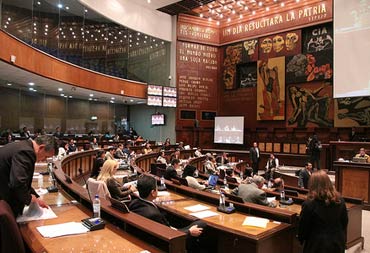
Although the makeup of the new National Assembly was largely known following the February 9 election, it was made official Wednesday by the National Electoral Council. The new 151-seat Assembly will be dominated by two large minority blocs, President Daniel Noboa’s National Democratic Action (ADN) party with 66 seats and the Correista Citizens Revolution (RC) with 67.
To form a majority, the ADN and RC blocs will need the support of 18 Assembly members from the Pachakutik movement (9 seats), the Social Christians (4), Construye (1), and four independents.
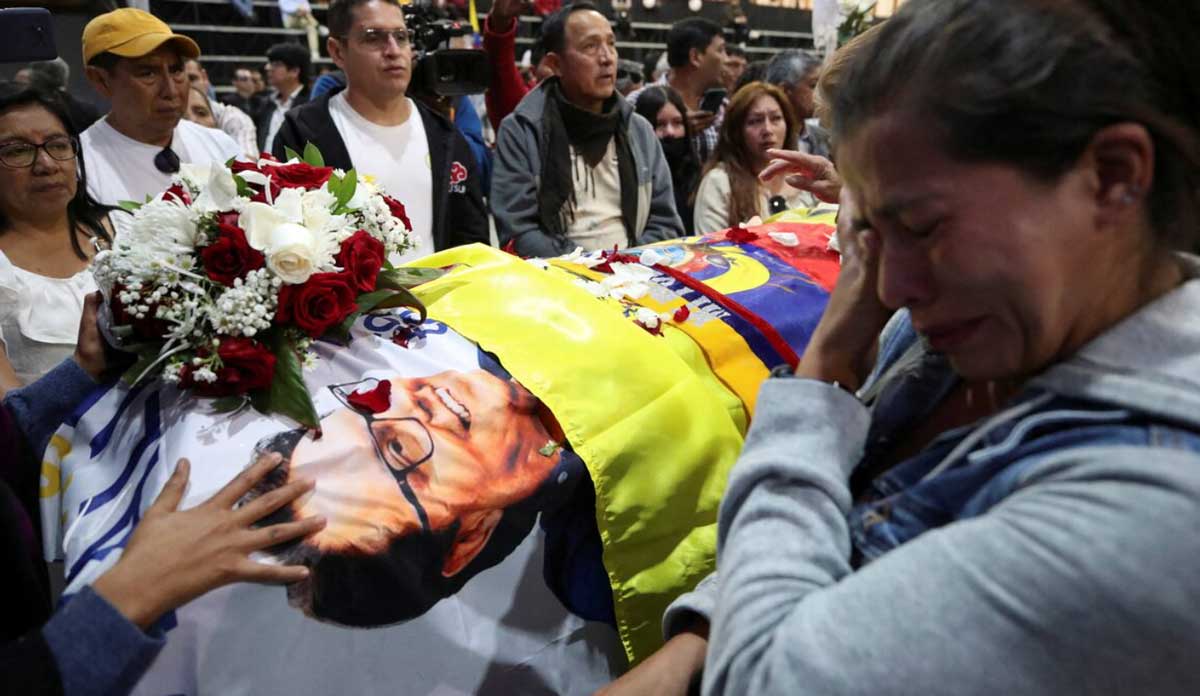
ADN is the biggest winner in the new Assembly, going from 27 seats in the out-going Assembly to 66. The biggest loser is Construye, the party of assassinated presidential candidate Fernando Villavicencio, which dropped from 28 seats to one. The Social Christians also took a big hit, falling from 18 seats to four.
According to Veloz, the numbers appear to favor Citizens Revolution because of Pachakutik support for González in the election. “The problem is that this support is not solid due to past conflicts between the indigenous movement and the Correistas, and that’s why I think gridlock is likely on many proposals,” he says. “There is a great amount of suspicion by Pachakutik of the Correistas as result of what they consider broken promises, mostly regarding oil and mining projects.”
He added: “You saw this in the agreement González signed for the Pachakutik endorsement where she was asked to renounce the actions of Rafael Correa.”
Veloz believes it will be almost impossible for ADN or RC to form a super majority. “This is very important since it is required for impeachment proceedings and various interactions with the government.”
Santiago Becdach, a legal advisor to two former presidents, agrees with Veloz that major legislation is likely to stall in the new Assembly but says the winner of Sunday’s election could change that. “Noboa would have a big advantage because of the executive structure already in place,” Becdach says. “On the other hand, if Luisa wins, ADN could fall apart since it has mostly been built around Noboa’s presidency. Look at what happened to Construye. I wouldn’t be surprised to see quite a few ADN defections if Noboa loses.”
The new Assembly takes its seats May 14. Noboa’s mother, Annabella Azín, will preside over the organizational sessions in which officers will be elected and committee assignments made.