













Lark Rise to Cuenca and the dream of a wider world
Flora Thompson was born in 1876 in a tiny Oxfordshire hamlet in England called Juniper Hill. Finishing her education at the age of 14, she worked as a housemaid, which she didn’t much like, then as a trainee post office clerk, then as a telegraph clerk.
It took decades before anyone noticed her brilliant writing. Her childhood trilogy was eventually published during World War II. Lark Rise in 1939, Over to Candleford in 1941, and Candleford Green in 1943. Britain was living through the Blitz, air raid sirens and food rationing while her first readers escaped into her village world of hedgerows, geese, and hardworking families. Perhaps people enjoyed her memoirs because they seemed to protect a kinder, gentler England worth saving from the warring -isms of socialism, communism, nationalism, and fascism, although it was hardly an easy life as this extract shows:
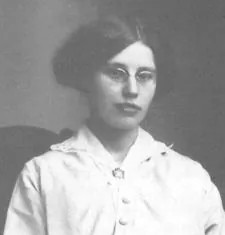
Flora Thompson
The women’s work was never done. If there were no meals to cook, there were clothes to wash, no washing meant mending, and no mending was only because there were still floors to scrub or water to carry. They worked from before daylight until after dark, and thought nothing of it, for it was the way of their lives.
I read the book back in the early 70’s when my father, who was a traveling book salesman, was given a free sample copy published, surprisingly, by Oxford University Press, an imprint that normally specialized in Bibles, dictionaries, and reference books.
I started listening to an excellent audiobook version again last week on Bilibil (search term:《从农庄到小镇) and felt the old surprise. Laura, the fictional Flora, grew up in a place where poverty was normal and the future was short.
What set Flora/Laura apart was not luck or influence but a hunger for words. She read anything that had words printed on it. Cheap magazines, church sermons, almanacs, newspapers that had passed through a dozen hands. Her family let her read in a corner because it kept her quiet and didn’t put the chickens off laying.
That reading habit gave her a way out of poverty. Reading was once the best secret sauce available to a bright poor child. If you read enough, you could climb into clerical work. You could move from a village to a town. You could earn wages that did not depend on sowing, weeding, and harvesting. Maybe it was not a grand future, but it did lift people a step above their parents. Flora Thompson took that path and many others did the same.
Universal literacy was taking a grip in the late nineteenth century, so much so that in 1896 an enterprising publisher started a cheap daily newspaper for ordinary people that sold for just half a penny. It was called the Daily Mail. You could read it until the news became history, and then recycle it to keep fish and chips warm, get a fire started quickly, make papier mache models at school, clean windows, polish shoes, or line bird cages.

This hieroglyphic cheatsheet from a Cuenca school enables a 5-year-old child to fluently recite a patriotic poem about the flag of Ecuador. (Photo credit: Charlie Larga)
I think about that when I look at life in Cuenca. In my own palatial apartment, once a week, a young woman comes to help with laundry and domestic chores. She is twenty-eight years old and one of ten siblings. One teenage sister took her own life last year. And then there were nine. She carries that loss without complaint while working, studying, and caring for others.
She is determined to become the first in her family to finish high school. She studies at night and sends me selfies of her sitting at a little desk studying, with her 5-year-old daughter sitting next to her at an even smaller desk, also studying. She takes her exams seriously and believes that education will change her future. She believes that one day she may be able to write for Cuenca High Life. Meanwhile, she sends Charlie hot tips on topics that might be suitable for publication.
I hope she is right because she deserves a life that is broader than the one she was born into. I cannot help wondering what her diploma will bring her. Will it lift her into a better job or simply shuffle her sideways into another small wage? Ecuador rewards qualifications, but not always in proportion to the effort. Some people climb. Others stay put. The promise of education is real, but the ladder is uneven and the higher rungs are crowded in a city chock full of underemployed dentists, lawyers, and pharmacists.
She talks of going to join relatives in a romantic-sounding place called Queens, in Nueva York, but she knows that their life is not easy either.
When I sit in a Cuenca park with an audio book, I think of her and I think of Flora/Laura. Two young women born into large families with limited choices. One in nineteenth century England and the other in Ecuador around the millenium. Both pushing against circumstances with nothing but determination and a belief that learning matters. The difference is that Flora/Laura lived in an era when reading alone could propel a person upward. Today the world demands more certificates, more training, accreditation, and more luck than Flora/Laura ever needed.
Even so, the spirit is the same. Someone in Juniper Hill once opened a book and saw a wider world. Someone in Cuenca opens a workbook at night and hopes for the same. The future is not guaranteed, but ambition still flickers in rooms where people sit down and do homework after a long day of work. That small flame is as moving as anything in Lark Rise to Candleford.
Laura read her way out of a hamlet. My helper reads her way toward a new life. I found Cuenca by reading about it online. The ladders lean in different directions, but people striving for a better life is one of the oldest stories in history.



Hogar Esperanza News

Fabianos Pizzeria News

The Cuenca Dispatch

Week of September 20
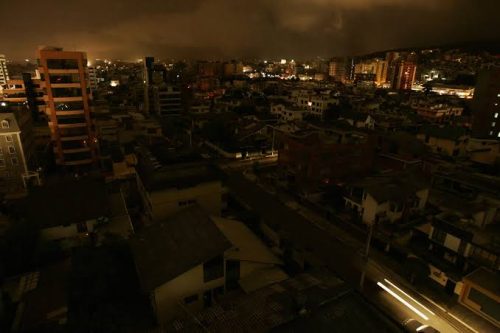
Ecuador turns to industrial power cuts to protect Mazar and keep homes from going dark.

Ecuador raises its 2026 growth forecast, but El Niño could spoil the outlook next year.
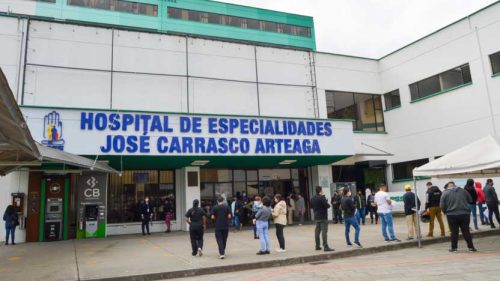
Cuenca retirees challenge medical and therapy changes at IESS senior center.
Fund Grace News
