
















U.S. sends anti-drug troops to Ecuador; Former president Borja dies at 90; Colombia guarantees electricity to March; Football player killed
Despite the November referendum defeat of a question to allow establishment of a U.S. miliary base in Ecuador, 20 U.S. Air Force personnel arrived Wednesday in Manta. In a statement, Ecuador’s military command said the U.S. troops’ presence was “temporary,” part of a bilateral security plan to confront drug trafficking routes between Colombia to Ecuador.
The arrival of U.S. troops comes amid Washington D.C.’s military attacks in the Caribbean and the Pacific against alleged “narco-boats,” which have left at least 95 dead since early September.
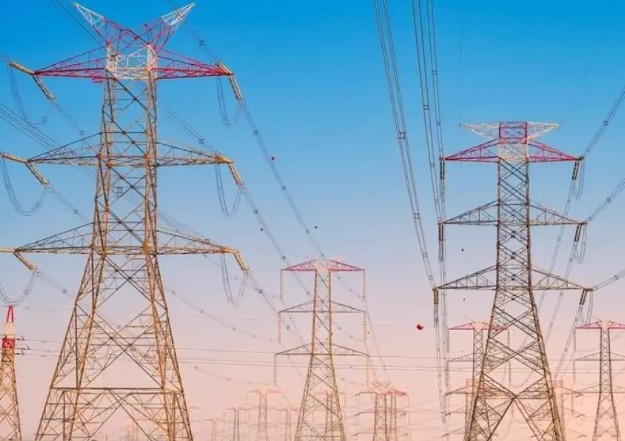
Electric transmission lines between Colombia and Ecuador have a maximum transmission capacity of 425 megawatts.
In a social media post, the U.S. Embassy in Quito also called the arrival of troops part of a “temporary operation” with the Ecuadorian Air Force in Manta. “The operation will enhance the ability of Ecuadorian military forces to combat narco-terrorists, including strengthening intelligence gathering and counternarcotics capabilities, and is designed to protect the United States and Ecuador from the threats we share,” the post added.
Neither the embassy of the Ecuadorian military command specified how long the operation will last.
Former president Rodrigo Borja dies at 90
Former president Rodrigo Borja died Thursday at the age of 90. According to several political analysts, Borja was a key figure in Ecuador’s transition from the period of dictatorship to democracy.
Born on June 19, 1935 in Quito, Borja was a lawyer and political science professor who at an early age linked himself with progressive political movements. He was the founder and first leader of the Democratic Left (ID), a party that that promoted principles such as equity, social justice, and the strengthening of democratic institutions.
Elected president in 1988, Borja led the country in an era characterized by economic challenges and social tensions. His government is credited with strengthening respect for civil liberties, freedom of expression and political pluralism in the face of conservative attempts to maintain the status quo.
Colombia guarantees electricity until March
Colombia private electric companies said Wednesday they can supply Ecuador with electricity at least until March 1. National Association of Generating Companies said Colombia has entered a “period of reduced rainfall” and is unable to guarantee supply beyond two months.
By law, the association said, private generation companies must sell all electricity within Colombia during periods of drought or other power disruptions.
Ecuador National Electric Company (Celec) has purchased between 325 to 425 megawatts from Colombia since late September. Transmission lines between Colombia and Ecuador are limited to a maximum transmission capacity of 425 megawatts.
A spokesman for Celec said Wednesday that it anticipates no disruptions of electric service through the end of the year, although he acknowledged that the level of the Mazar hydroelectric reservoir and flow rate at the Coca Coda Sinclair generation plant have “dropped significantly” since late November.
Football player killed in Guayaquil
Star Barcelona SC defender Mario Pineida and his girlfriend were killed by hitmen in Guayaquil Wednesday afternoon. The footballer’s mother, who had been shopping with the couple, was wounded in the attack but is recovering in a local hospital.
Police arrested a suspect Thursday but did not provide a name or possible motive in the killing.
According to local media, two gunmen on motorcycles followed Pineida’s vehicle. When it stopped at a local shop, the attackers opened fire. Police Colonel Edison Palacios told reporters that the evidence pointed to a “targeted attack” rather than a random robbery, as the shooters fled immediately without taking any belongings. There are no records of prior threats against the 33-year-old player.



Hogar Esperanza News

Fund Grace News

The Cuenca Dispatch

Week of September 20
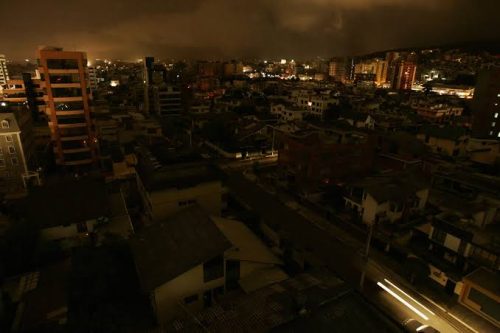
Ecuador turns to industrial power cuts to protect Mazar and keep homes from going dark.

Ecuador raises its 2026 growth forecast, but El Niño could spoil the outlook next year.
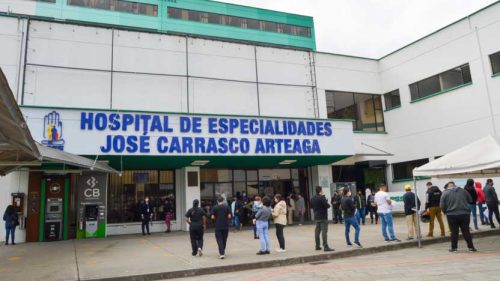
Cuenca retirees challenge medical and therapy changes at IESS senior center.
Fabianos Pizzeria News
