















Food bank redistributes 57,000 kilos of food a month; Fight is brewing over proposed mining law; Income tax deadline approaches; Sculptures in railroad park
Bored? –
(De El Mercurio del jueves, 19/2) 30 esculturas Cuy Kuna en Parque El Ferrocarril (30 Cuy Kuna sculptures in Railroad Park) – The 30 sculptures from the call for proposals for Cuy Kuna are being shown at the Parque El Ferrocarril. The pieces show different designs representing elements of Cuencanan and Ecuadorian culture such as the Catedral de la Inmaculada Concepción (New Cathedral) or Aya Huma, a character symbolic of Andean festivities. Each sculpture incorporates different techniques and styles.
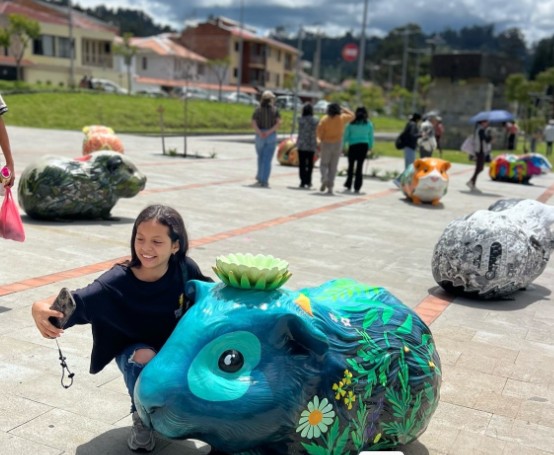
Thirty Cuy Kuna sculptures are on display at the new Parque El Ferrocarril. The designs represent different aspects of Cuenca and Ecuadorian culture. (El Mercurio)
Curious? –
(De El Mercurio del viernes, 20/2) Impuesto a la Renta: SRI fija plazos para declaración (Income Tax: SRI sets deadlines for filing returns) – More than 700,000 natural persons need to file Income Tax returns for fiscal year 2025 by marzo. It is an obligation if you made over $12,081 in 2025 even if you don’t owe any taxes. Those who need to file include employed workers who have more than one employer, record differences in personal expenses <I have no idea what this means.>, receive profits from another business, or maintain another economic activity <like driving an Uber on weekends?>. Also required to file are independent professionals and people with income from rents, transport, or creation of content. You can declare online between 10/3 to 28/3 according to the 9th digit of your cedula or RUC. <If in doubt, getting an accountant would make sense.>
(De El Mercurio del viernes, 20/2) Banco de Alimentos rescata 57,000 kilos de comida al mes (Food Bank rescues 57,000 kilos of food per month) – The Food Bank of the Archdiocese of Cuenca has been working for 8 years and has rescued an average of 57,000 kilos of food each month. The food goes to organizations that serve vulnerable populations in Azuay. This initiative started in 2017 to link the Church with private businesses, mainly supermarkets to recover products appropriate for consumption such as those nearing their expiration dates or products being discarded for commercial reasons. Some of the most collected foods are fruits, vegetables, legumes, dairy and meats.
The bank operates from the Seminario de Monay with a team of 60 volunteers who classify and prepare the foods. Of the 57,000 kilos received, about 48.000 are suitable for redistribution. <I wonder if some of the rest goes to the zoo?> Currently, 38 foundations receive the products, and the beneficiaries include seniors, children, youth in rehabilitation, women who are victims of violence, families with limited means, and community dining rooms. There are also allies who channel canceled food orders, and who have implemented a medicine bank. The bank has increased its collection capacity in recent years, and plans to enlarge its storage facilities and create a solidarity store for second hand donations.
(De El Mercurio del viernes, 20/2) Cabildo por el Agua cuestiona reforma minera (Water Council questions mining reform) – Representatives of the Cabildo por el Agua de Cuenca expressed their rejection of the reform to the Ley Orgánica para el Fortalecimiento de los Sectores Estratégicos de Minería y Energía (Organic Law for the Strengthening of the Strategic Mining and Energy Sectors) whose report for first debate was approved by the Economic Development Commission of the Asamblea Nacional. According to the directors, the initiative, if enacted, would represent a setback in environmental protections and citizens’ rights. Nidia Solís said the project reduces environmental controls by replacing licenses with a simple administrative authorization which <only one person to bribe?>, in her opinion, will facilitate mining exploitation without a rigorous technical evaluation. It would weaken the mechanisms of prevention and vigilance over the impacts on water and the ecosystems.
Enrique Serrano agreed that the proposal violates constitutional provisions related to the defense of natural heritage and the obligation for consulting the communities. He added that if the reform is approved, the Cabildo will evaluate legal action. Meanwhile, the Executive branch maintains that the initiative seeks to boost the mining sector and increase income, but social organizations warned about the possible effects on water sources and protected territory.
(De El Mercurio del jueves, 19/2) EMAC advierte cambios en el cobro de tasa de basura (EMAC warns of changes in collection of garbage collection fees) – María Caridad Vázquez, manager of the Empresa Municipal de Aseo de Cuenca (EMAC EP), announced that after the termination of the agreement with the Empresa Eléctrica Regional Centro Sur, the Tasa de Recolección de Basura (TRB – Garbage Collection Fee), can be paid through ETAPA EP or at EMAC. 40% of the list has gone to ETAPA which collects payment by linking the fee to the cedula number.
This means that people who have more than one electric meter in their name have to pay the fee for each one. Because of this, many owners are transferring the value to their renters. Vázquez said the debt stays with whoever’s name is on the service, and urged people to update the ratepayer’s name on the meter when properties are sold. Also, the senior discount has been eliminated. The ordinance in effect with EMAC only has a discount for disabled people. The garbage fee is charged at the end of the month. If it isn’t paid, the amounts accumulate. You can see the charges on EMAC’s website.



Hogar Esperanza News

Dani News

Anubis Restaurant News

Fabianos Pizzeria News

Fund Grace News

The Cuenca Dispatch

Week of February 15

Armed Forces media vetting plan sparks constitutional alarm and international backlash.
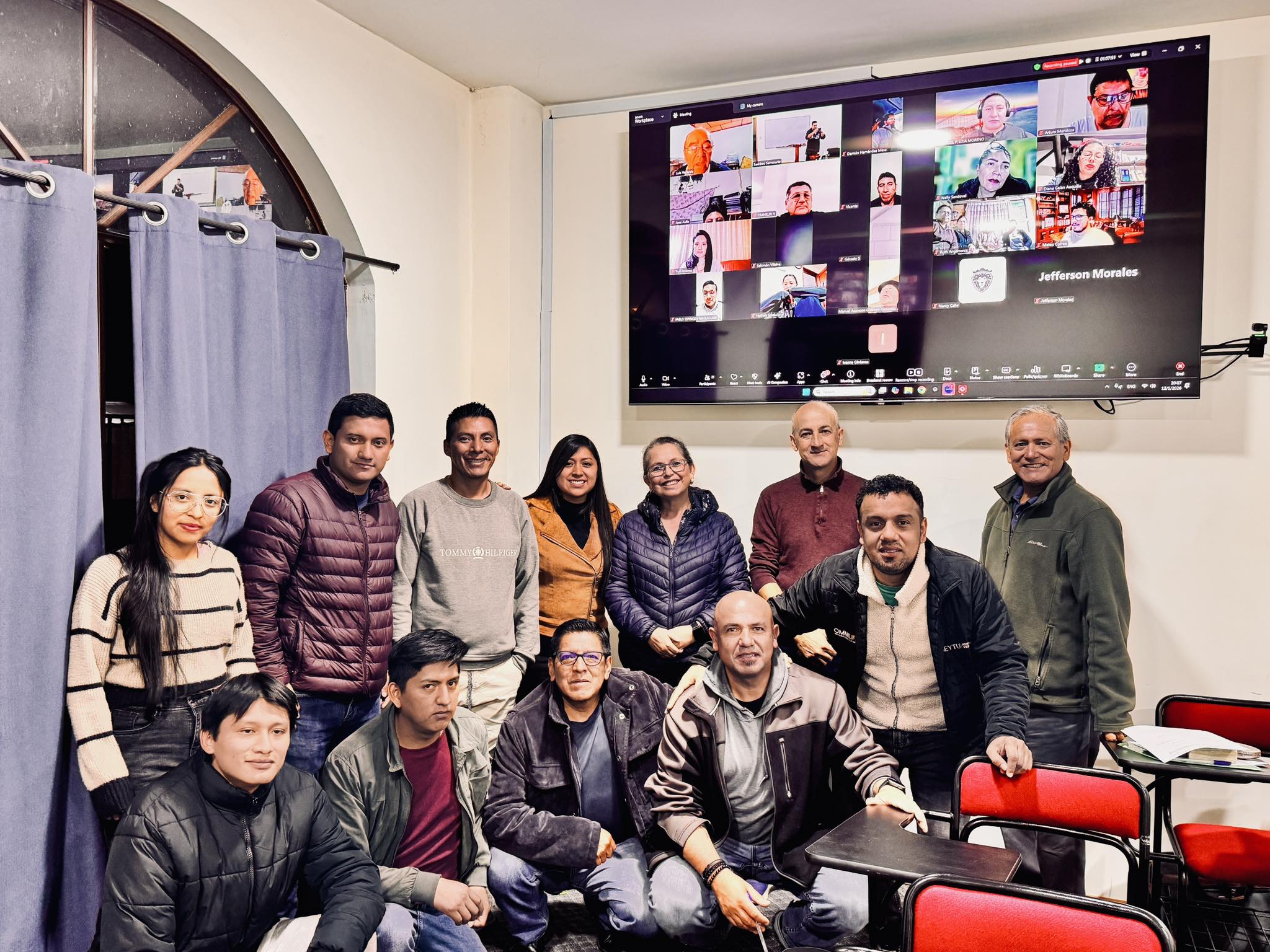
Cuenca Seminary Takes Theology Global Through Live Online Classrooms.

Ecuador and United States seal reciprocal trade pact easing tariffs and expanding security cooperation.