













Why Cuenca Is the World’s Top Destination for Dental Crowns and Dental Vacations: What You Need to Know

Introduction: Dental Crowns Meet a Dream Vacation
If you need dental crowns, veneers, or implants, imagine getting high-quality care from highly trained dentists while staying in a UNESCO colonial city with spring-like weather, exceptional cuisine, and nearby mountain scenery. That’s Cuenca, Ecuador — a place where dental tourism and a restorative vacation come together. In this article I’ll explain why Cuenca is the best place in the world for dental crowns and related procedures, how much you can save, what to expect from clinics and care, and practical tips to plan your trip.
Why Cuenca Leads the World in Dental Tourism
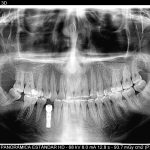
Several factors make Cuenca a top choice for dental travelers. First, costs are dramatically lower — typically 60–70% less than what patients pay in the United States and Canada. Second, dentists in Cuenca are often trained at excellent universities and are experienced with international patients. Third, modern clinics in the city use cutting-edge technology such as digital X-rays, 3-D CBCT scans, and CAD/CAM milling for same-day or quick-turn crowns. Combine that with short wait times, personalized one-on-one care, and a gorgeous recovery environment, and you get unbeatable value.
Real Savings: How Much Will a Crown Cost?
Cost comparisons are one of the most compelling reasons people choose Cuenca. Typical price ranges (approximate and subject to clinic and materials) are:
- Single dental crown in the US/Canada: $900–$1,800+
- Single dental crown in Cuenca: $250–$600
- Porcelain veneers in US/Canada: $900–$2,500 per tooth vs Cuenca: $200–$600
- Dental implants (complete): US $3,000–$5,000 vs Cuenca $900–$1,800
Those figures translate into 60–70% savings on average. For many patients, that allows upgrading to higher-quality materials (e.g., monolithic zirconia), adding cosmetic work, or combining dental treatment with a relaxing trip without breaking the bank.
World-Class Training and Professional Standards
Cuenca’s dentists are trained at respected regional universities and often continue their education through international courses and certifications. Many speak fluent English and are accustomed to treating foreign patients, offering detailed consultations, written treatment plans, and clear explanations of materials and warranties. Clinics in Cuenca typically maintain high hygiene and safety standards, including sterilization protocols comparable to North American practices.
Modern Clinics and Cutting-Edge Technology
Modern dental facilities in Cuenca are equipped with the same advanced tools you’d expect abroad: digital sensors, 3-D imaging (CBCT), intraoral scanners for digital impressions, CAD/CAM milling machines that can produce same-day crowns, and labs that use premium ceramics and zirconia. That means faster turnaround, fewer messy impressions, and highly accurate fits for crowns and implants. Many clinics also provide sedation options, comfortable operatories, and on-site dental labs for efficient workflows.
Short Wait Times and Efficient Treatment Plans
Unlike some regions where you might wait months, Cuenca clinics typically schedule international patients quickly. For crowns, the timeline often looks like this:
- Day 1: Comprehensive exam, digital X-rays/scans, and tooth preparation (temporary crown placed if needed).
- Day 2–10: Lab fabrication (many clinics can return the permanent crown within days with CAD/CAM or in about 1–2 weeks using local labs).
- Final appointment: Permanent crown bonded and occlusion adjusted.
Implant cases require longer healing, but many clinics offer options for immediate crowns or accelerated protocols depending on bone quality and patient health.
Personalized One-on-One Care and International Patient Services
One of Cuenca’s real advantages is the boutique approach. Many clinics provide individualized treatment coordination: one point of contact who arranges your appointments, helps with airport pickup, and facilitates translations. This level of personal attention reduces stress and enhances outcomes. Follow-up care is usually well-documented with photos and digital records so your home dentist can coordinate long-term maintenance if needed.
The Recovery Environment: Why Cuenca Helps You Heal Faster
Recovery doesn’t have to be dull. Cuenca’s temperate climate, clean air (compared to larger cities), and low-stress lifestyle create an ideal healing setting. Stay in the historic Centro with cobblestone streets and plazas for short, gentle walks between appointments. Or opt for a quieter barrio overlooking the Tomebamba River, where peaceful mornings and easy access to parks help reduce inflammation and stress. Nearby Cajas National Park offers mild hikes and beautiful highland lakes if your dentist clears you for light activity.
Combine Dental Care with a Memorable Vacation
A dental trip to Cuenca easily doubles as a restorative vacation. Wander the UNESCO-listed historic center with its blue-domed cathedral, savor Ecuadorian cuisine at boutique restaurants, and explore artisan markets for handmade straw hats (sombreros de paja toquilla). You can schedule your most comfortable recovery days with spa visits, gentle river walks, or scenic drives to local attractions. Staying active but relaxed helps you recover mentally and physically — and makes the overall value of your dental work feel even greater.
Safety, Licensing, and How to Vet a Clinic
Choosing the right clinic is the most important decision you’ll make. Practical tips for vetting providers:
- Ask for full, up-to-date credentials and where the dentist completed their training.
- Request before-and-after photos of similar cases and contact details for past international patients, if available.
- Verify clinic hygiene protocols and whether the facility uses digital records and modern sterilization systems.
- Confirm materials and brands for implants and crowns; ask about warranties and the lab that fabricates prosthetics.
- Look for clear, itemized treatment plans and transparent pricing; avoid vague estimates.
Most reputable clinics will offer a virtual consultation before you travel, an itemized contract, and a clear post-op plan.
Planning Your Trip: Logistics and Practical Advice
Cuenca is served by Mariscal Lamar International Airport (CUE), with connections through Quito or Guayaquil on many international itineraries. When planning:
- Schedule a virtual consultation well in advance to allow time for planning and lab work.
- Book a 7–14 day stay for crown work (longer if implants are involved) — this gives you time for initial procedures, lab turnaround, and a comfortable recovery period.
- Bring a list of medications, allergies, and dental records, including recent X-rays if available. This helps your Cuenca dentist plan faster and more accurately.
- Arrange travel insurance that covers medical/dental complications, and check if your home dentist will accept the materials used abroad for future care.
- Reserve accommodations near El Centro if you want walkability and easy access to clinics; or choose quieter neighborhoods for more restful recuperation.
What to Expect During Treatment: Step-by-Step for Crowns
Here’s a typical experience for getting dental crowns in Cuenca:
- Initial visit: comprehensive exam, digital imaging, treatment plan, and consent forms.
- Preparation visit: tooth reduction, digital impressions with an intraoral scanner, and placement of a temporary crown if needed.
- Laboratory phase: crowns are milled locally or in the clinic using CAD/CAM; you’ll be shown material options and their benefits (e.g., translucent zirconia for natural aesthetics).
- Final fit: crown adjustments, occlusion checks, and bonding with high-quality dental cement.
- Follow-up: most clinics schedule an adjustment visit and provide remote follow-up instructions with photos if you return home before full recovery.
Implants and Veneers: Expanding Your Options in Cuenca
If you’re considering implants or veneers along with crowns, Cuenca can handle complex cases. Implant surgery is performed in modern surgical suites with local anesthesia or sedation. Many dentists in Cuenca work closely with local labs to offer esthetic veneer solutions and full-mouth rehabilitations. Because of the lower costs, patients often elect to treat more teeth or choose premium materials that would be cost-prohibitive in their home country.
Communication and Language Considerations
While Spanish is the primary language, many clinics have English-speaking staff or translators who handle international patients. During your initial virtual consult, assess how well the clinic communicates — clear explanations and prompt responses are good signs. If you’re a Spanish learner, this trip is also a wonderful chance to practice the language in a friendly environment.
Aftercare and Long-Term Maintenance
After your return home, most Cuenca clinics provide digital records and detailed instructions for your regular dentist. Routine maintenance is the same as anywhere: good oral hygiene, regular cleanings, and periodic check-ups to ensure crown margins and implant health. If any adjustments are needed, your clinic should offer a warranty for lab or material defects; make sure these terms are clear before treatment.
Testimonials and Success Stories
Countless patients travel to Cuenca and report excellent outcomes: strong, natural-looking crowns, smooth communication with dentists, and delight at the cost savings that allowed them to fund additional cosmetic work or side trips. Many return for follow-up treatments or bring family members for dental care — a strong endorsement of both quality and value.
Final Thoughts: The Unbeatable Value of Choosing Cuenca
Choosing where to get dental crowns is a major decision. If you want the combination of quality, safety, and exceptional value — plus the chance to recover in one of South America’s most charming cities — Cuenca is hard to beat. The dramatic savings (often 60–70%), the access to highly trained dentists, modern clinics with advanced technology, personalized patient care, and the opportunity to turn treatment into a restorative vacation make Cuenca arguably the best place in the world for dental crowns, implants, and veneers.
Quick Checklist Before You Book
- Get a virtual consult and a written estimate.
- Confirm clinic credentials and ask about their sterilization and imaging equipment.
- Plan at least 7–14 days in Cuenca for crowns; longer for implants.
- Bring dental records and arrange travel insurance.
- Book accommodations near the clinic for convenience and easier recovery.
With the right planning, a trip to Cuenca can transform a necessary dental procedure into one of the best investments you’ve ever made — both for your smile and for your well-being.


Hogar Esperanza News

Fund Grace News

The Cuenca Dispatch

Week of August 16

Azuay stays under state of exception as authorities track criminal groups expanding around Cuenca.

Older adults and people with disabilities can now request vehicle tax break online.

That unresolved bank complaint has another place to go and the service is free.
Property Kuralt

Fabianos Pizzeria News

Property Amazon
