











With the tariff war over, Colombia can again sell electricity to Ecuador, but it may not be for long
Although Colombian President Gustavo Petro has lifted the restriction on private energy companies selling electricity to Ecuador, the coming El Niño could end those sales soon after they begin. “We’ve finally overcome the political obstacle but now we face a meteorological one.” says Carlos Romero, vice president of Ecuador’s College of Electrical Engineers.
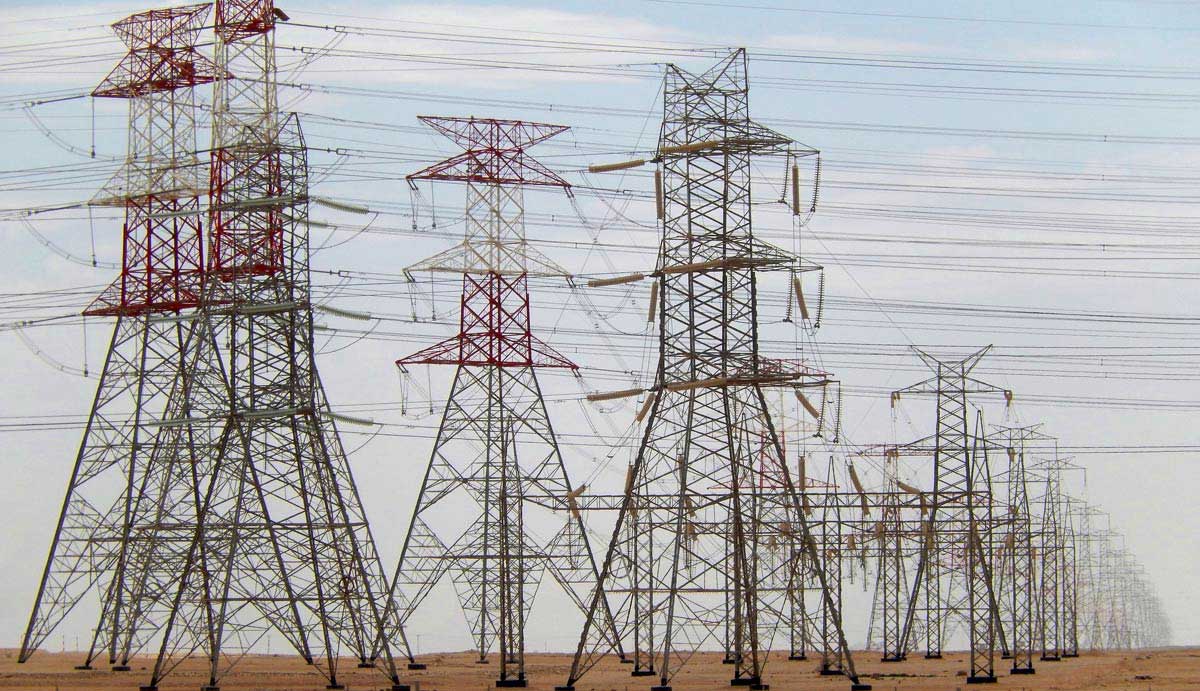
Colombia’s electricity transfers to Ecuador could end as soon as they begin due to the developing El Niño.
The Colombia Association of Generating Companies (Andeg) is warning Ecuador officials that any power transfers would be limited and that they are likely to stop altogether within a matter of weeks or months. “The latest weather report places the probability of a strong El Niño phenomenon at 90%, and this means reduced hydro generation capacity,” said Andeg CEO Alejandro Castañeda. “As we all know, El Niño produces severe drought at higher elections in the Andes and that is where our hydroelectric facilities are located.”
In an interview with Ecuador’s Televistazo, Castañeda said that Colombia’s hydro reservoirs in the Antioquia basin are already at lower-than-normal capacity, at 67%, and will not receive the typical replenishment from September and October rains if El Niño develops as expected. “Based on weather data from the United Nations and the United States, the drought could continue into the early months of 2027, which could mean blackouts in Colombia.”
“At the moment, there is a small amount of excess electricity to sell to Ecuador and Venezuela, but as reservoir levels fall, our first obligation is to customers in Colombia,” Castañeda said.
Based on the capacity of power lines and substations, Colombia power companies can transfer a maximum of 440 megawatts to Ecuador, although that limit has only been reached on one occasion, in 2024, according to Andeg.
He added: “I hate to say it, but Ecuador will be on its own for power generation once El Niño is in full force.”
In the first four months of 2026, Ecuador’s daily power usage ranged between 4,300 megawatts and 5,100 megawatts, according to the National Electrical Company.
Romero says that Ecuadorians should be prepared for blackouts, possibly through the beginning of 2027. “Unless this El Niño suddenly dissipates, the outages could be longer than the ones we experienced in 2024,” he says. “We are already seeing them, in fact. The government tells us they are for maintenance and repairs, but they are actually because we have reached our generation capacity.”
According to Romero, even under normal conditions, Ecuador should have a “cushion” of extra generation capacity. “We need at least 1,000 megawatts and probably 1,200 megawatts additional capacity to meet events like last month’s heat wave on the coast. But we have zero.”
As the El Niño strengthens, the focus will be on the Paute hydroelectric complex and the Coca Codo Sinclair plant, the country’s main sources of electricity, says Romero. “Paute is at a higher elevation and will be most affected by the drought but Coca Codo will also see a decline in the Rio Coca flow, since it is above 1,500-meter elevation.”