














Why fermented foods are so good for your gut, and five ways to eat more of them
By Anahad O’Connor
Almost every culture on earth has fermented foods in its traditional cuisine. These foods — from yogurt to sauerkraut to kimchi and kefir — are made with microorganisms that transform them. Fermentation provided a way to preserve foods thousands of years before refrigeration was invented, and it was used to impart unique flavors and textures.
But nowadays, fermented foods are enjoying a resurgence in large part because of research illustrating their nutritional benefits. Scientists have found in studies that eating fermented foods may lower inflammation, improve blood sugar control and increase the diversity of your gut microbiome, which is linked to a lower risk of developing chronic diseases.
That’s in part because fermented foods are often loaded with probiotics — friendly microorganisms that confer health benefits. These microbes produce essential nutrients such as vitamins K and B. They synthesize health-promoting compounds such as short-chain fatty acids. They increase the bioavailability of iron, zinc and other minerals. And they make some foods easier to digest.
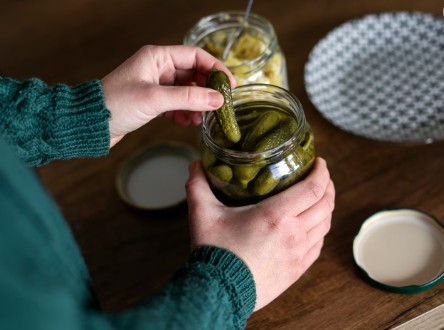 If fermented foods rarely make an appearance in your diet, you should consider eating them on a regular basis and trying a variety of them, as every fermented food offers unique nutritional benefits. Here’s what you need to know about fermented foods, and some easy ways to eat more of them.
What are fermented foods?
In 2021, a panel of scientists defined fermented foods as “foods made through desired microbial growth and enzymatic conversions of food components.” This definition distinguishes fermented foods that are deliberately transformed by microbes through a controlled process from, say, spoiled foods that are unintentionally altered by microbes.
Thousands of fermented foods are produced around the world, including cultured dairy products and fermented beans, vegetables, wine, cider, beer and other beverages. Some of the most common fermented foods consumed in Western countries typically contain live microorganisms, such as yogurt, kombucha and kefir.
Yogurt for example is made by adding bacteria such as Lactobacillus bulgaricus and Streptococcus thermophilus to milk that’s been heated. The microbes convert the lactose in the milk to lactic acid, which gives the mixture its thick texture and tart, acidic flavors. Studies have found that when we eat fermented foods, the bacteria they contain can survive digestion and make their way to the small and large intestine. Once there, they can secrete beneficial compounds, inhibit intestinal pathogens, influence the composition of the gut microbiome and have other positive effects on your health.
But not all fermented foods contain live microorganisms. Chocolate, for example, is made by fermenting cacao beans with natural yeasts and bacteria, which helps to create the rich flavor that most of us know and love. The microbes are eventually killed off when the cacao beans are roasted and heated.
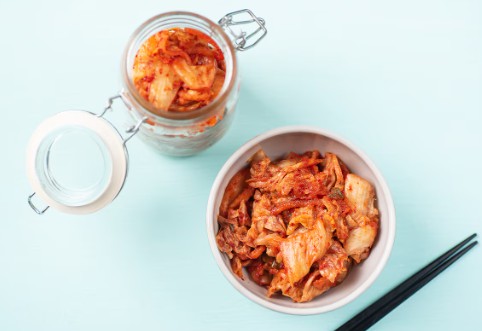 Coffee, too, is considered a fermented food because the beans typically undergo a fermentation process.
Much like with red wine, fermentation influences the flavor profile of both coffee and chocolate. When you buy single-origin coffee or chocolate, “a big part of the reason that chocolate or coffee tastes different is because of the way that it’s fermented in that region and the microbes that are present in that region,” said Chris Damman, a microbiome and nutrition expert and gastroenterologist at the digestive health center at the University of Washington Medical Center.
Like chocolate, however, coffee does not contain live microbes (the microbes are destroyed when the coffee beans are roasted). These foods still retain many benefits, though. They contain naturally occurring micronutrients called polyphenols that our bodies can absorb more efficiently due to the fermentation process, said Damman.
“Your body doesn’t do a very good job of absorbing these polyphenols if you just ingest them on their own,” he added. “But when foods are fermented, their polyphenols are transformed into compounds that are more bioactive and more bioavailable.”
How to eat fermented foods
Damman recommends eating at least one or two servings of fermented foods daily. If you can eat three or more servings, even better. And ideally, you should try to eat a variety of fermented foods so that you get the benefits of consuming different types of polyphenols, probiotics and their by-products.
Ask The Post AI
Dive deeper
Keep in mind that some fermented foods can be relatively high in sodium, such as sauerkraut, kimchi and pickles. So be cautious if you have hypertension or if you’re on a low-sodium diet. You may also need to consult your doctor or health care provider if you’re immunocompromised, as the live microbes in some fermented foods could cause infections in people with weakened immune systems.
For otherwise healthy adults, start with your favorite meals and look for ways to incorporate fermented foods. If you like eating granola or cereal for breakfast, try using kefir instead of milk. If you’re having a cheeseburger or veggie burger for lunch, add sauerkraut or kimchi as one of your toppings. If you make a salad for dinner, put a little sauerkraut on top. If you’re making a stir fry, try topping it with kimchi.
If you need a snack, consider having a bowl of plain Greek yogurt with fruit instead of potato chips, crackers or candy. And remember that coffee and dark chocolate are fermented foods as well, said Damman. “Dark chocolate and coffee may not have live microbes in them, but they are transformed by fermentation, so their polyphenols are going to be more bioavailable,” he added.
Five ways to eat more fermented foods
- If you love ranch sauce, like I do, then you should try this recipe for Tender Lettuces with Kefir Ranch Dressing. It has the delightful flavors and creamy texture you’d expect, but it’s made with kefir instead of mayonnaise or sour cream — so you get a hearty dose of gut-friendly probiotics.
- This recipe for Kimchi and Kale Dense Bean Salad is one of my favorite ways to eat kimchi. It’s brimming with protein thanks to the black beans, edamame and tofu, and you can make a big batch and store it for several days (which actually enhances the flavors).
- Love pickles? Then why not make your own with this easy recipe for Deli-Style Fermented Sour Pickles. All you need is a jar and a few basic ingredients, like cucumbers, fresh garlic and sea salt. The pickles need just a few days to ferment on your kitchen countertop, and you can store them in your refrigerator for up to a month.
- If the only time you eat sauerkraut is on hot dogs, then you’re missing out. This recipe for Crispy Tofu Cutlets with Russian Dressing and Sauerkraut contains simple ingredients, tangy flavors and plenty of probiotics.
- Try something out-of-the-box with this delicious and unconventional recipe for Steel-Cut Oats with Kimchi. It combines oats, mushrooms, fried onions and fried eggs to create a wonderfully savory flavor. And you can eat it for breakfast, lunch or dinner.
_________________
Credit: Washington Post