















Survival of the fittest in the Galapagos
The Galapagos Islands begin for the foreign visitor with a two-hundred-dollar entry fee, a mandatory financial hurdle that effectively serves as a ticket to ride within the archipelago for anyone over the age of two and presumably keeps out the riff- raff like Charles Darwin’s shipmates who, back in the day, quenched their thirst by dissecting turtle bladders to drink their urine.
While those of us holding a cedula are granted a rather more modest price of admission, the initial transaction sets a tone that persists throughout the journey, reminding the visitor that conservation is an expensive business even before one has encountered a single sea lion on a park bench.
 The arrival experience at the ecological airport reinforces this commitment with windmills, ceiling fans, and an absence of air conditioning in the arrivals area, although the authorities have mercifully permitted the return of refrigerated air in the departure lounge for those who have already spent their money. I found the terminal’s habit of neatly labeling common cacti as “big prickly cacti” to be a charming, if somewhat redundant, piece of botanical education for passengers waiting to be processed in equatorial heat and humidity.
Puerto Ayora, the port town that is the main hub of the islands, presents a curious economic geography where the harbor front is lined with tourist shops and restaurants operating at approximately airport prices. However, if one follows the main commercial highway away from the water, the departure lounge facade gives way to the familiar Ecuadorian landscape of hardware stores, chicken wing joints, and three-dollar almuerzos designed for local residents rather than retirees on a bucket-list expedition.
The local wildlife has evidently received the memo regarding their protected status, as seals, pelicans, and iguanas lounge on public benches and fences with a degree of confidence that suggests they are fully aware of the legal consequences of human interference. I was informed by a bus driver that striking an iguana or turtle on the road results in immediate imprisonment, a policy that, if true, seems to have turned the local reptiles into the most entitled pedestrians in the hemisphere.
The islands themselves are separated by wide stretches of ocean, making the prospect of island-hopping far more difficult and expensive than a summer journey through the Greek archipelago, and most of them are uninhabited.
A standard three-night package deal yields only two functional days of exploration, a ratio that favors the logistical efficiency of the tour operator more than the curiosity of the visitor. You can also arrange cruise-ship itineraries in the Galapagos, but these are much more expensive than land-based trips and we did not explore that option.
During a particularly boring, bumpy, and expensive ferry ride to Isabela, I found myself reflecting on the accounts of Charles Darwin, whose crew reportedly found the islands an excellent place for turtle chowder and filet de iguana. While such a refreshingly locally sourced menu would result in a scandal today, it highlights the harsh reality of dining in a landscape that is more of a desert than a tropical paradise as far as some of the islands are concerned.
We spent a significant portion of our guided tours visiting tortoise breeding programs, which are the only reason these remarkable creatures have not yet been driven to extinction by the relentless appetite of invasive ants and rats. The young tortoises must be raised in protective ant-and-rat-free custody for several years until they are large enough to make it on their own in the wild, a process that is both admirable and a sobering reminder of how much human intervention is required to keep a threatened species alive. This is complicated by the fact that each island has its own breed of tortoise, so several species have to be segregated and catered for at the farms.
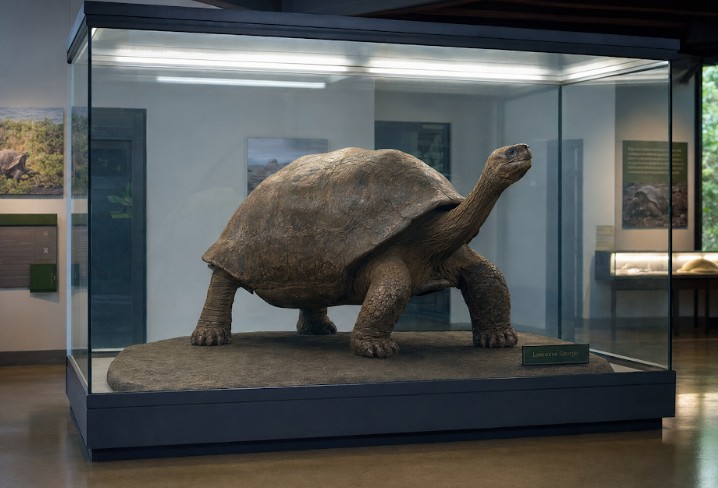
Snorkeling in the Galapagos remains excellent, providing a vivid display of colored fish that compensates for the long, tiresome walk to Turtle Beach that I would advise any sensible traveler to skip if the weather conditions are hot and humid. I eventually stood, head bowed before the mummified remains of Lonesome George at the Darwin Center, and while I can now say I have officially paid my respects to the most famous bachelor in history, I do not believe I shall be repeating the experience.