















Plans completed for Great March for Water; Reimberg defends U.S. boat attacks; Ecuador students rank low in int’l testing; Grammy award-winner performs
Bored? –
(De El Mercurio del viernes, 11/9) Andrés cepeda trae su vida en canciones (Andrés Cepeda tells his life story through songs) – The Colombian singer Andrés Cepeda will bring his tour, “Nuestra Vida en Canciones” to the Coliseo Jefferson Pérez el sábado, 19/9 a las 20:00. He is the winner of 5 Latin Grammy awards, and a Grammy nominee in 2026 for “Bogotá” in the best Latin Pop album. The concert will also have Ecuadorian performers Sergio Sacoto and Tercer Mundo. The program will include songs from more than 3 decades of his work including Besos Usados, Lo Mejor Que Hay en Mi Vida, Día Tras Día, and more.

Five-time Grammy Award singer Andrés Cepeda will perform Sept. 19 at the Coliseo Jefferson Pérez.
Curious? –
(De El Mercurio del miércoles, 9/9) Ecuador entre sistemas educativos “más bajos” (Ecuador among the “lowest-performing” education systems) – Ecuador is among the worst education systems of the 91 countries assessed by the Program for International Student Assessment (PISA) in 2025. The results were published el martes by the Organización para la Cooperación y el Desarrollo Económicos (OCDE). 15-year-old students in Ecuador got 393 in science, 385 in reading, and 366 in math. The average points were 482, 461 and 463. In computational problem solving, Ecuador reached 422 points, with the OCDE average at 500. 53.6% of Ecuadorian students did not reach Level 2 proficiency in all three areas, considered the minimum performance threshold. In the OCDE, 19.7% of the other students reached Level 2. In contrast, barely 0.2% reached levels 5 or 6 in at least 1 area opposed to 11.9% in the whole of the OCDE. In sciences, Ecuador’s 393 points tied with Argentina in the last place in the Latin American countries that were evaluated.
Although Ecuadorian students ranked low worldwide, they were slightly above average level for Latin American and Caribbean students.
(De El Mercurio del miércoles, 9/9) Organizaciones se unen a la Marcha por el Agua (Organizations Join the March for Water) – The Marcha por el Agua is calling for Cuencanos, and is being led by the Confederación de Pueblos de la Nacionalidad Kichwa del Ecuador (Ecuarunari) whose president is Leonidas Iza.. They met in Quito to announce the participation of dozens of social and indigenous organizations in the march this coming miércoles, 16/9. What the marchers are looking for is that the march will stay as a national reference for territorial resistance, stop mineral extraction, defend the intangibility of water resources, and demand that the Government comply with the referendum in which the population rejected exploitation of natural resources.
Some of the participating organizations will be the Confederación Ecuatoriana de Organizaciones Sindicales (CEOLS), the Frente Nacional Antiminero, university students, the Asamblea de los Pueblos en Resistencia de Cuenca, and communities from Tarqui, Victoria del Portete, Girón, Santa Marianita, y San Gerardo who will caravan a las 8:00 from the “Y” de Tarqui to the March. <Where are they all going to park, since I’m assuming they’re not going to be coming in on foot.>
The march will take place on the anniversary of last year’s March for Water that forced the government to abandon its plans for the Loma Larga gold mine. An estimated 110,000 participated in that march.
(De El Mercurio del miércoles, 9/9) Reimberg justifica ataque estadounidense a barcos (Reimberg defends U.S. attack on ships) – John Reimberg, Interior Minister, justified the reasons for the US military attacks on 6 Ecuadorian vessels since el 28/8. It was done because the ships were part of narcotrafficking networks. In only one operation (en Posorja), 5 boats were seized along with about 4 tons of drugs, 16 rifles, 6,000 rounds of ammunition, buoys with GPS, and 4 people. The US and Ecuadorian governments, however, have presented no evidence of these claims to Ecuadorian courts.
(De El Mercurio del miércoles, 9/9) Gasolinas y diésel bajarán su precio en tres centavos (Gasoline and diesel prices will drop by three cents) – On el sábado, 12/9, prices for Extra and Ecopaís gas and Diésel will drop 3 cents per gallon. This is the 3d consecutive month that fuel costs have gone down, for a total of 10 cents since julio. However, this is far from the $.55 increase in fuel between febrero and junio of this year.
(De El Mercurio del viernes, 11/9) Blindado; debate para candidatos (Armored; debate for candidates) – The new mayor of Cuenca will need to decide whether or not to use the 2024 armored Chevy Tahoe that the mayor’s office has and which is now parked and not being used. In abril, 2024, mayor Cristian Zamora, currently suspended from office, bought the car for $203,320. This generated intense public debate about the use of public resources during a period of economic restrictions. It was intended for the then mayor’s transportation and security since he had reported threats. In 12/2025, the National Comptroller’s Office issued the official results of a special examination into City of Cuenca contracts including the purchase of the vehicle.
When Marisol Peñalosa became mayor, she said that she would not use the car or the bodyguard team since she felt there were no threats against her safety. There were different political reactions to the controversial purchase of the Tahoe. Mayoral candidate Leonardo Morales said he would not use it if he won, and suggested converting it into an ambulance to serve the population. Francisco Orellana, an attorney and political analyst, thought that changing the use of the car would not be legally possible since it was purchased for a specific purpose. He said that there could be proposals coming from the campaigns to capture the attention of voters, but these would need to be reviewed from a legal point of view. <To say nothing about the cost and feasibility of remodeling an armored car into an ambulance.>
In contrast, Guillermo Cobo, an ex-army colonel and commander of the Guardia Ciudadana de Cuenca (GCC), felt the vehicle should be used since it’s already been bought. <What do you think a lightly used armored car could get on the used car market? The city could sell it to a high up drug dealer. People are always shooting at them.> Cobo said security should have priority over the savings from leaving the car parked. <Where it would probably just gather dust and lose things like the tires, battery, and sound system the longer it sat.> It could be used at special times when there are difficulties with security in the city or its authorities. <Why not just let the police use it in their operations.>
Milton Benítez, also an ex-army colonel and ex-governor thinks the vehicle should never have been purchased. The decision to buy the car should have been backed up with an official risk evaluation. But once bought, keeping it without using it, represents a loss to the City since the car depreciates while it is permanently parked. He thought selling it would be a simple solution.
________________
Information in this column, including dates, times and locations, is courtesy of the El Mercurio newspaper. Comments between the carrots, or guillemets (< … >), are the personal opinions of the author and not part of the news translation.



Hogar Esperanza News

The Cuenca Dispatch

Week of September 06

U.S. sinkings of Ecuadorian fishing vessels trigger court scrutiny after 28 crew members are released.

Cuenca targets a November launch for its first new international link to Chiclayo.
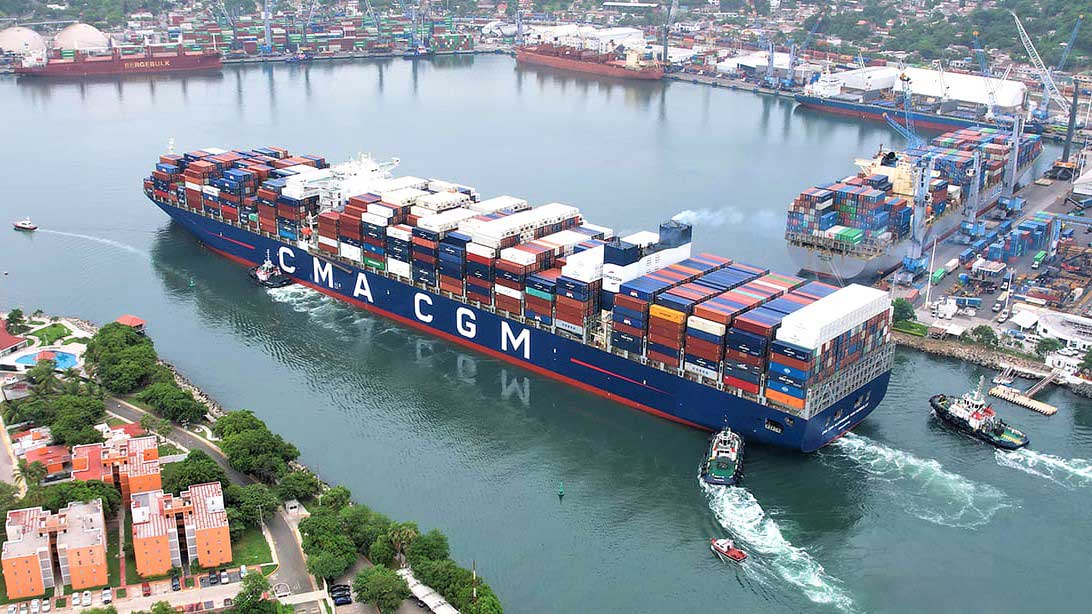
Exports hit a quarterly record, but Ecuador’s import bill is rising even faster.
Fund Grace News

Property Manabi

Fabianos Pizzeria News
