












Explore the cafés and bookshops of Buenos Aires
By Michael Torney
Buenos Aires is a capital city swarming with 20-storey buildings that glower over the narrow one-way streets, the other lane often occupied by restaurant terraces. These small streets have not been widened by a Haussmann bringing in light at the expense of hope and planting trees along them has only deepened their melancholy. And what better accompaniment for melancholy than the best cafés in the world, atmospheric, congenial, beautiful and cheap enough for locals and students, with enough history and literature to delight the most bored flâneur.

Café Tortoni
Café Tortoni is an old nineteenth century café that was home in the twentieth century to many of Argentina’s world famous writers such as Borges and, according to the plaque outside, was honoured by the Buenos Aires legislature as a “faithful refuge for friendship”, not words I can ever imagine coming from a western parliament. The decor of aged wood panelling and Belle Époque stained glass, the walls crowded with memories of its previous customers, writers and tango legends, old photos and new sculptures, create the feeling of cosy but not quite kitsch, somewhere between a library and a museum with coffee. You don’t feel literary by being here — it doesn’t flatter you — but it reminds you that conversation matters that, as the Dadaist Tristan Tzara said, “Thought is born in the mouth”. The uniformed waiters’ excellent service, the exquisite pastries, the queue outside for a table and the temptation to linger are reasons more compelling than literary history for the presence of the local bourgeoisie at the other tables opposite the tourists.
Up the street is the Plaza de Mayo and the Presidential Palace and London City café, another wonderful café that served me the best breakfasts I have ever eaten and – with apologies to England – surely the most misnamed. Framed photos of Julio Cortázar include extracts from his novels that detail his characters’ exploits in this very café. The table seems unable to contain the myriad dishes and plates that convey my breakfast; the toast, butter and marmalade alone induce a reverential appreciation, the eggs and coffee a sweet delight, the service admiration from this former waiter.
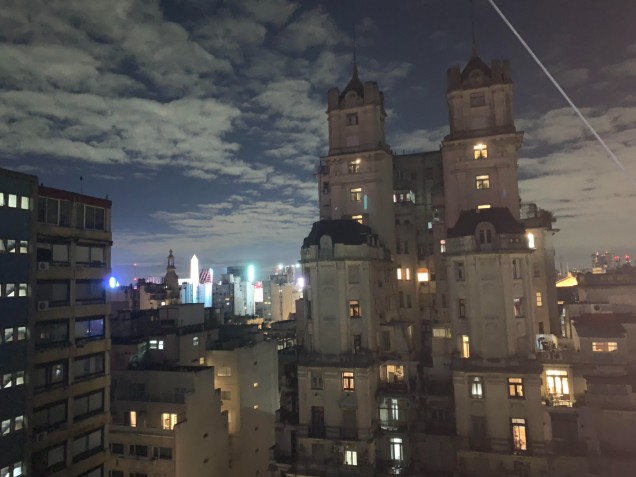
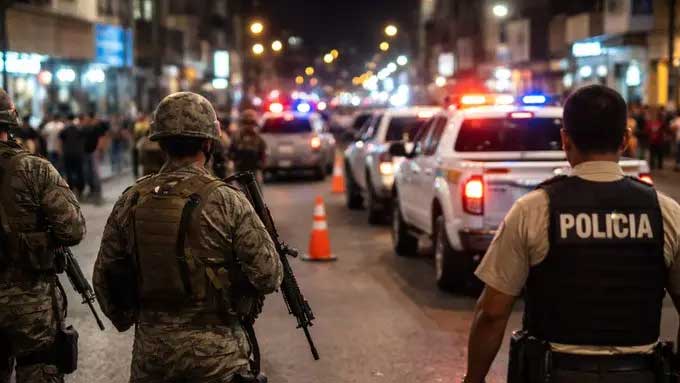
Central Buenos Aires at night.
El Federal in San Telmo is a corner café from the 1890s and really not much seems to have changed. A sliver of a room all in old wood, the ceiling-high shelves stocked with dusty wine bottles, jars of pickles and olives, salamis and the walls with posters from 80 years ago that might even be genuine. Over the bar where I breakfast is a wooden arch with a clock – with a face! – in the centre and faux stained glass. The staff in black t-shirts and aprons are swift and efficient with the pleasant warmth of professionals in a city institution. The worker has split all the oranges and squeezing them for juice sounds like a pig being sick. The serviette dispenser is 110% full of tiny pieces of waxed paper that feel like the cheapest toilet paper from the 1950s. It’s really good for smearing marmalade all over your face.
But El Federal is not as old – or rather as untouched – as it appears. An old store, a shop, a beverage dispensary, and a brothel, it was restored and reimagined from 1930-60 from which time its wooden windows, doors, and counters date. Human remains were said to have been found when the bar was being installed on account of the yellow fever epidemic of 1871. Their website mentions in passing a femicide ‘decades later’ but omits details. Even authenticity has its limits. In other words El Federal is more of a re-engagement with its past rather than any mere continuation, a living connection and not just a zombie afterlife. The true mark of a living tradition is that it can make the changes necessary not just to keep it on life support but to keep it living.
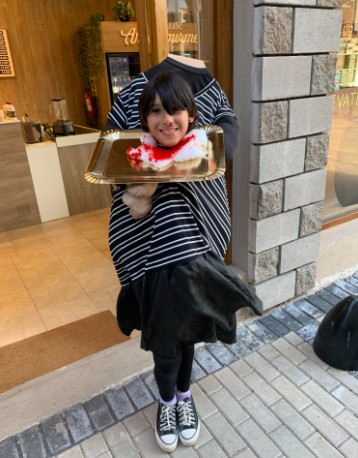
Halloween in Argentina
The El Ateneo Gran Splendid was voted the second best bookstore in the world by The Guardian and it doesn’t disappoint. The crowds outside resemble those in front of MOMA or the British Museum and the sense of excitement is that before a final. Giant windows invite entrance and flood light in to the foyer as if to an opera house. The lobby is jammed and there’s a line to view a giant book on Picasso for a mere $2,000 (the book, not the viewing). Going up the lobby stairs, we enter the bright open space of the restored theatre, the seats replaced with stacks gleaming from the printer’s and still moist from the writer. With curtains gathered back the open stage is a café and the eye rises above it to the gorgeous chandelier and painted ceiling, a bookshop with its own sky. The carriage factory on this lot was replaced in 1903 by the National Theatre with room for 900, remodeled in 1919 into the Splendid Theatre with air conditioning and a retractable roof and hosted the new media of silent film and talkies, radio and a recording label which recorded many of the great tango artists and helped bring this quintessential Argentine form to the country and the world.
At least half the customers are Asian, the only time I’ve noticed this in Argentina. On all the customers’ faces is the same stunned reaction: “Why can’t I have this where I live?” Hence the signs all over: NO WEEPING! I keep sneaking my sleeping bag into a corner but they rush around stuffing it back into my daypack. Their ‘reading room’ is actually a balcony next to the stage with plush seats, the kind of place where presidents are assassinated. They must need security to get people out of there. “But I’m nearly done. I only have 17 chapters left.” “Sorry, but you’ll have to finish “Bleak House” at home.” The long line for the café on the stage precludes a snack but it must come with an overwhelming temptation to wander upstage to savour the crowd and, maybe, I don’t know, however reluctantly, say just a few words on . . . whatever. From infants to old farts we are addicted to attention and will risk embarrassment and bitter shame for it.
In San Telmo, the more bohemian quarter with amazing markets, where I’m staying I notice a tiny bookstore and enquire if they have any books in English. “Actually,” says the teenage assistant in perfect English, “all our books are in English.” I start to sniffle but, despite the absence of signs here, I refrain. About a third of their books are already in my library-in-storage and another third on my reading list and I’m regretting not bringing my sleeping bag, I’m sure I could have sneaked it past them.
_________________
Michael Torney was born and raised in County Tyrone, Ireland, studied literature at University College, Dublin and worked as a laborer in several countries in Western Europe before moving to the US and working in Las Vegas for thirty years as a Teamster. Now retired in Cuenca, he travels and reads cultural and political history, philosophy, and fiction and watches soccer and rugby union. (MICHAEL TORNEY © 2026)