







Día de los Difuntos: Tom just wanted something sweet, then Carlos explained the bread baby
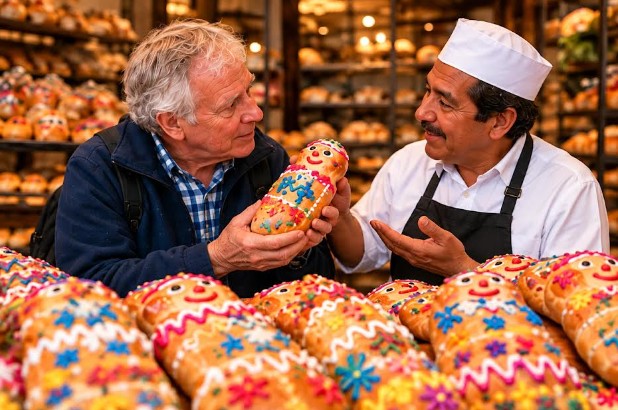
Tom examines a guagua de pan as Carlos explains its meaning during Día de los Difuntos in Cuenca. AI-generated illustration.
Tom stopped at Carlos’s bakery in Cuenca’s El Centro looking for something sweet to have with his afternoon coffee.
He wasn’t planning to learn anything about Ecuadorian culture.
Then he noticed a tray of brightly decorated breads.
“Carlos, is that a baby?”
“It’s a guagua de pan.”
“A bread baby?”
“Yes.”
Tom leaned closer. The little figure had a round head, colorful icing and what appeared to be a very cheerful expression.
“Does it come with chocolate?”
“Of course.”
“Then I’ll take one.”
Carlos reached for a paper bag.
“Tom, do you know why we make these?”
Tom looked at the bread again.
“I was hoping you were going to tell me after I paid.”
Carlos laughed.
It was October, and Cuenca’s bakeries were preparing for Día de los Difuntos, the November 2 observance when Ecuadorian families remember relatives and loved ones who have died.
Tom knew the holiday existed. He had seen the colorful breads before and had even tasted colada morada, the thick purple drink traditionally served with them.
But he had never given much thought to why the two belonged together.
Until now, he had assumed they were simply seasonal specialties.
Carlos was about to complicate his afternoon snack.
What Is Día de los Difuntos in Cuenca?
Día de los Difuntos is a day of remembrance when many Ecuadorian families honor people who have died through cemetery visits, family gatherings and traditional foods.
In Cuenca, the observance brings together Indigenous Andean traditions, Catholic influences and family practices passed down through generations.
Some families visit graves with flowers. Others gather at home, share memories and prepare foods associated with the season.
The customs are not identical in every household or community.
But two foods have become especially recognizable: guaguas de pan and colada morada.
The word guagua comes from Kichwa and refers to a baby or young child. Guaguas de pan are breads shaped and decorated to resemble small figures.
Colada morada is a thick, purple beverage commonly prepared with purple or black corn flour, fruit, spices and aromatic herbs. Recipes vary from family to family.
Together, the foods are associated with remembrance, ancestry and the gathering of generations.
Tom listened as Carlos explained.
“So it’s not just something people eat because it’s November?”
“No.”
“Then why make the bread look like a baby?”
Carlos considered how to answer.
“Because these traditions have a history. The shapes, the food, the people who prepare them. They connect families with those who came before.”
Tom looked at the little bread figure.
“That’s quite a responsibility for something filled with chocolate.”
Why Are Guaguas de Pan and Colada Morada Changing?
Traditional foods change because the people preparing and eating them change, too.
In October 2026, CuencaHighLife reported that local businesses were experimenting with new versions of guaguas de pan and colada morada.
Some bakeries were offering different fillings and decorations. Other businesses were adapting the flavors of colada morada into new drinks and desserts.
The innovations included a beer inspired by colada morada and contemporary variations of the traditional bread.
For some customers, these changes make seasonal foods more attractive and accessible.
For others, they raise a question.
When a food becomes a commercial novelty, does it retain its original meaning?
Tom was not particularly troubled by the issue.
“Carlos, people have been changing recipes forever.”
“Yes.”
“Your grandmother probably didn’t put chocolate in these.”
“Not like this.”
“So you’ve already changed the tradition.”
Carlos smiled.
“Changing the recipe isn’t necessarily changing what the day means.”
Tom thought about that.
“Then what would change what the day means?”
Carlos put down the paper bag.
“Making the bread without remembering why we’re making it.”
Tom had expected a discussion about pastry fillings.
He was now in a conversation about cultural identity.
Does Modernizing a Tradition Mean Losing It?
Changing a tradition does not necessarily destroy it. But neither does popularity guarantee that its original meaning survives.
Carlos had grown up with family preparations for Día de los Difuntos.
He remembered people gathering in kitchens, recipes being adjusted according to what was available and older relatives explaining customs to younger ones.
Not every family made the same foods in exactly the same way.
And not every child understood the significance of what the adults were doing.
“Sometimes we were more interested in eating than listening,” Carlos admitted.
Tom nodded.
“Finally, something we have in common.”
Carlos laughed.
“But later, you remember those days differently.”
He described how an ordinary smell or familiar taste could bring back a kitchen, a conversation or someone who was no longer there.
Tom understood that part.
He had experienced it himself.
A particular meal could remind him of Vancouver. A song could bring back a person he hadn’t thought about in years.
He simply hadn’t connected those experiences with the bread sitting on Carlos’s counter.
“Then maybe the recipe isn’t the most important part,” Tom said.
“Maybe not.”
Carlos glanced toward the tray.
“But I still want the bread to taste good.”
“Now you’re speaking my language.”
Can Expatriates Participate in Día de los Difuntos?
Expatriates can learn about and participate respectfully in Día de los Difuntos, but understanding the occasion matters more than simply purchasing its traditional foods.
Many newcomers encounter Ecuadorian traditions first through markets, bakeries, festivals and public celebrations.
That is a natural beginning.
It is not necessarily the end of the experience.
Tom had lived in Cuenca long enough to recognize many local customs without understanding their personal significance to the people around him.
He knew which foods appeared at Christmas.
He knew that certain streets became crowded during religious processions.
He knew that November brought colorful bread figures and purple drinks.
But recognizing a custom was not the same as understanding it.
“Do you go to the cemetery?” Tom asked.
“Sometimes, with family.”
“I’ve never been during the holiday.”
“Have you wanted to?”
Tom hesitated.
“My family isn’t buried here.”
Carlos nodded.
“You don’t need family buried in Cuenca to understand why people remember them.”
That didn’t mean every family gathering or cemetery observance was an invitation for visitors to participate.
Some moments were private.
Others were shared more openly.
The difference mattered.
Tom had learned enough about Cuenca to know that being welcomed into a community did not mean every part of someone else’s life existed for his entertainment.
Why Does Remembering Someone Matter More Than the Ritual?
Rituals often matter because they create a familiar way to remember people whose presence we still miss.
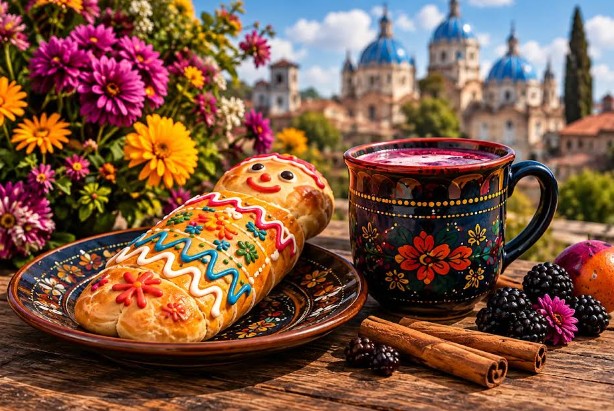
Guagua de pan and colada morada are traditional foods associated with Día de los Difuntos in Ecuador. AI-generated illustration.
Carlos asked Tom a question.
“If you were going to remember someone on November 2, who would it be?”
Tom opened his mouth.
For once, he didn’t have a joke ready.
“My father, probably.”
Carlos waited.
“He died years ago. Back in Canada.”
“What was he like?”
Tom smiled.
“Very particular about doing things properly.”
He remembered standing beside his father in the garage in Vancouver, holding tools while his father repaired something.
His father believed that nearly anything could be fixed if you understood how it worked and had enough patience.
Tom had not always shared the patience.
“He could spend half an hour explaining why I was holding the wrong screwdriver.”
Carlos laughed.
“Did you learn?”
“Eventually.”
Tom paused.
“Funny thing is, I still hear him sometimes when I’m trying to fix something.”
He looked down at the bread.
“I’d like to ask him a few questions now.”
Carlos didn’t rush to answer.
For a moment, the bakery was simply a place where two men remembered someone who mattered.
Then Tom looked at the chocolate-filled guagua.
“Although he’d probably tell me I paid too much for this.”
Carlos laughed.
“Then perhaps you should buy two.”
Can a Tradition Connect People From Different Cultures?
A tradition can create a connection across cultures when people recognize the human experiences beneath unfamiliar customs.
Tom had grown up with different foods, different holidays and different ways of remembering relatives.
He did not need to pretend that Día de los Difuntos had always been part of his family history.
Nor did Carlos need to present Ecuadorian customs as universal.
Their experiences were different.
But both men understood what it meant to remember someone through an ordinary object, a familiar taste or a story repeated over the years.
That was the connection.
Not that Tom had suddenly become an expert on Ecuadorian remembrance.
Not that Carlos had persuaded him to adopt every custom.
Simply that a decorated bread had led them into a conversation neither had expected.
For expatriates, such moments can be more meaningful than another afternoon spent comparing Ecuador with the country they left behind.
They offer an opportunity to understand the place where they now live without requiring them to abandon the people and memories they brought with them.
What Happens When a Tradition Becomes Personal?
A few days later, Tom returned to Carlos’s bakery.
The display of guaguas de pan had grown larger as November approached.
There were different colors, decorations and fillings.
Tom examined them carefully.
Carlos came over.
“Back for more chocolate?”
“Possibly.”
Tom selected two guaguas.
Carlos looked at the second one.
“Having company?”
“Not exactly.”
Tom hesitated.
“I’ve been thinking about my father.”
Carlos nodded.
“He would have liked this place. Especially if he could tell you how to run it.”
“I think I’ll survive,” Carlos said.
Tom smiled.
He looked at the two breads.
One reminded him of a conversation about his father.
The other was filled with chocolate.
Carlos began wrapping them.
“So, Tom. Have you decided what you think about changing traditions?”
Tom considered the question.
“I still think chocolate is an improvement.”
Carlos shook his head.
“But,” Tom continued, “I suppose it helps to know what you’re improving.”
Carlos handed him the bag.
Tom started toward the door, then turned.
“Carlos?”
“Yes?”
“Next year, remind me about this before I order.”
“Why?”
“Because apparently, buying bread in Ecuador requires emotional preparation.”
Carlos laughed as Tom stepped back into the street.
He had come looking for something sweet.
He left with two guaguas de pan, a memory of his father and a better understanding of why a tradition can mean much more than the food associated with it.
And he still hadn’t decided whether his father would have approved of the chocolate.
A Related Story From Next Cradle
Traditions don’t have to remain unchanged to retain their meaning. Sometimes the harder question is what happens when our own lives change and the rituals that once brought people together no longer fit.
In the Next Cradle companion, “We Don’t Do That Anymore.” Then Diane Set Another Place at the Table, we follow a woman who discovers that preserving a family tradition may require allowing it to become something new.
Author’s note: Tom and Carlos are recurring fictionalized characters used to explore everyday experiences in Cuenca. Their conversations and Tom’s family memories are invented. Cultural descriptions and contemporary developments are based on published reporting and should be read as general context, not as a representation of every Ecuadorian family’s practices.
Reporting Sources
- CuencaHighLife: Guaguas de pan, colada morada and cemetery visits highlight the Day of the Dead. Background on the holiday and its Ecuadorian traditions.
- El Universo: Indigenous traditions and the meaning of colada morada and guaguas de pan. Cultural origins and historical interpretations.
- El Universo: Traditional and modern guaguas de pan. Bread preparation, decoration and fillings.



Hogar Esperanza News
Fund Grace News
The Cuenca Dispatch

Week of October 25
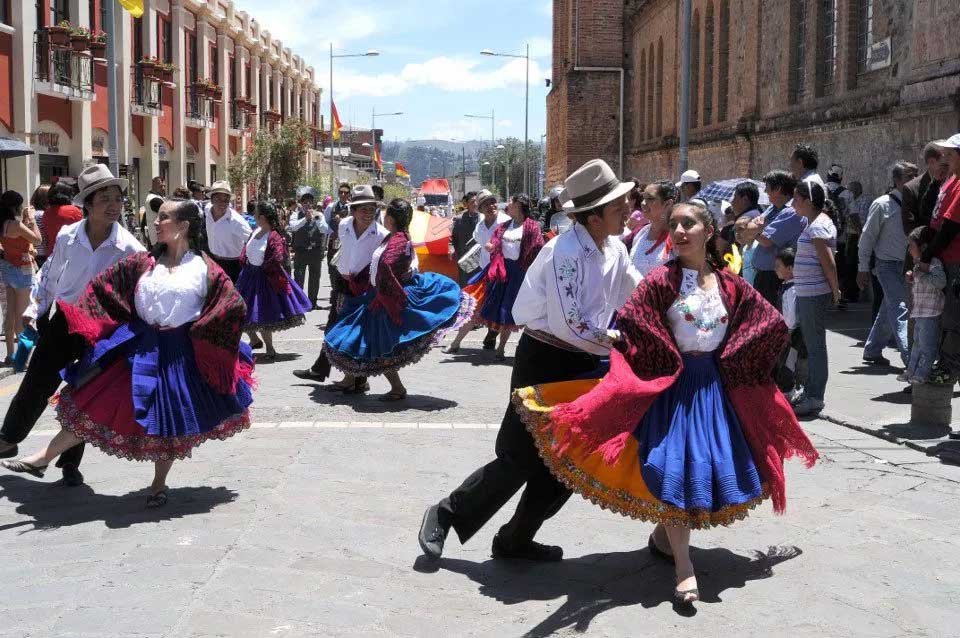
Ecuador heads into a four-day November holiday built around Cuenca’s Independence Day.
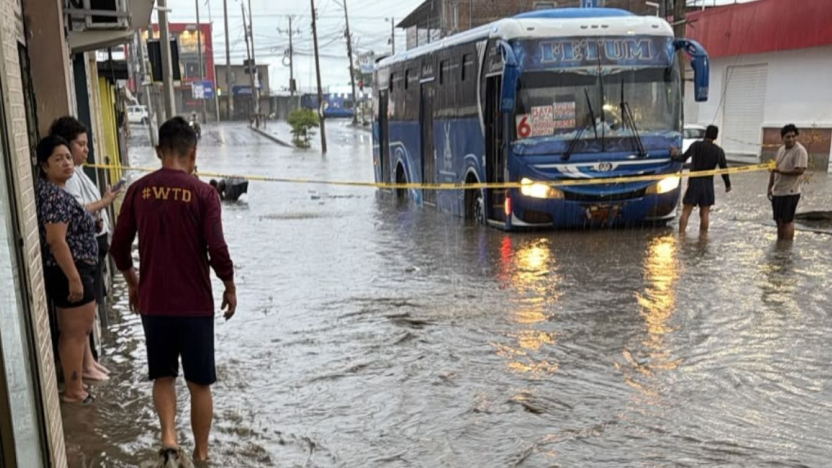
El Niño’s early rains have already affected more than 30,000 people across Ecuador.
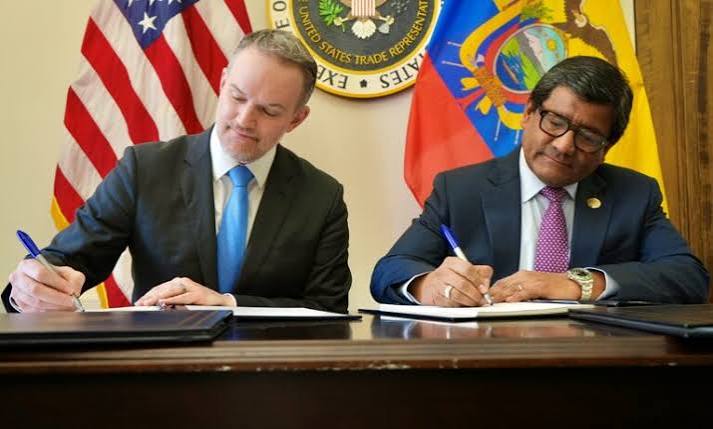
Exporters press Constitutional Court to move three major trade agreements forward
Fabianos Pizzeria News