












A crowd of more than a 100,000 will watch and participate in today’s Pase del Niño parade
By Sylvan Hardy
A crowd of 100,000 will line the streets and crowd the balconies of Calle Simon Bolivar today to watch Cuenca’s Christmas Eve parade, the Pase del Niño, or the Passing of the Child. In addition to onlookers, the event will feature 30,000 participants, most of them children, who will march and ride in the parade that begins at 9:30 a.m. at San Sebastian Plaza and concludes at Parque San Blas in the historic district.

As the parade name implies, Pase del Niño is mostly about the kids. (El Mercurio)
The biggest public event of the year in Cuenca, the parade is a colorful mixture of the sacred and sometimes the profane. To locals, it is a time-honored Christian festival of homage to the Christ child that combines Catholic and indigenous traditions.
The seven-hour-plus procession features floats and decorated cars and trucks, many festooned with flowers, fruits, candy, vegetables, beer cans and liquor bottles. Hood ornaments included roasted pigs, chickens and guinea pigs. There will be bands, dancers, a variety of street performers, children on horses and donkeys, and various Biblical characters.

Pase del Niño organizers estimate that 130,000 will watch and participate in today’s parade. Balconies along Simon Bolivar are prime viewing locations.
Introduced to Latin America by the Spanish almost 500 years ago, the Pase del Niño is a Christmas celebration in which likenesses of the infant Jesus are carried through towns and villages. In Ecuador, the tradition remains strongest in the Andean region. Organizers of the Cuenca parade claim it is the largest in South America.
The parade is actually a collection of dozens of smaller parades, according to José Washington Noroña, one of the event’s organizers. “Every neighborhood and nearby town will have its own parade with its own entries,” he says. “Each will carry its own statue of the Christ child. This is something that communities plan for the entire year.”
Although most entries are from Cuenca and the surrounding area, some come from as far away as Loja in the south and Otavalo in the north,” says Noroña.
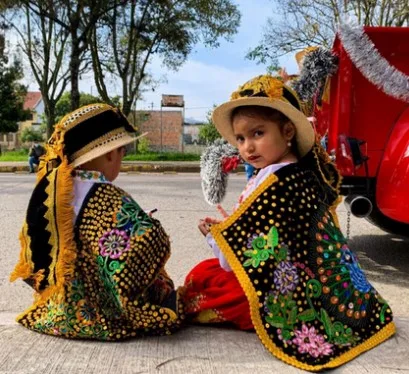
After the parade is over, it’s time for a rest.
Although the Christmas Eve parade may be the main event, the Pase del Niño celebration is a three-month-long festival, beginning the first Sunday after Advent and continuing until Carnival in February. The tradition also includes Novenas, nine consecutive nights of song, food and prayer, celebrated in homes and churches. On Christmas Eve, the Misa del Gallo, or Rooster Mass, was celebrated in the Cathedral and local churches.
Organizers say that the parade has a strong connection to the United States. Ecuadorians who live in the U.S. are major contributors, says Noroña. “Those who have done well there send money as thanks for their safe passage and future success.”
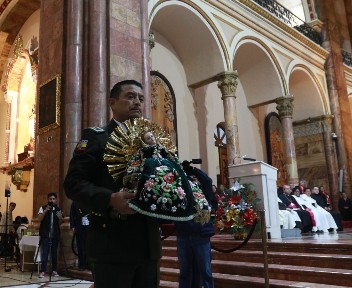
In a changing of the guard, the National Police assumed the responsibility of guarding the Niño Viajero Tuesday night from the Armed Forces. The ceremony took place at the Cathedral on Parque Calderon. (El Mercurio)
The centerpiece of Cuenca’s parade, El Niño, is an 1823 sculpture of the infant Jesus that was commissioned by Cuencano Josefa Heredia from an unknown local artist. When the sculpture came into the possession of Cuenca Monsignor Miguel Cordero Crespo more than a century later, he took it to the Holy Land and Rome in 1961, where it was blessed by Pope John XXIII. After the journey and the anointment, the statute became known as Niño Viajero, or Traveling Child, and has been the parade´s main attraction ever since.
In addition to the Simon Bolivar parade route, Avenida 3 de Noviembre, from Bolívar Street to Av. Unidad Nacional and Calle Baltazara de Calderón will be closed to traffic from 4 a.m. Wednesday until 5 p.m.

Parasols will be the order of the day if the sun shines on the Pase del Niño, as it usually does.
Hogar Esperanza News

Dani News

Property Manabi News

Anubis Restaurant News
The Cuenca Dispatch

Week of December 21
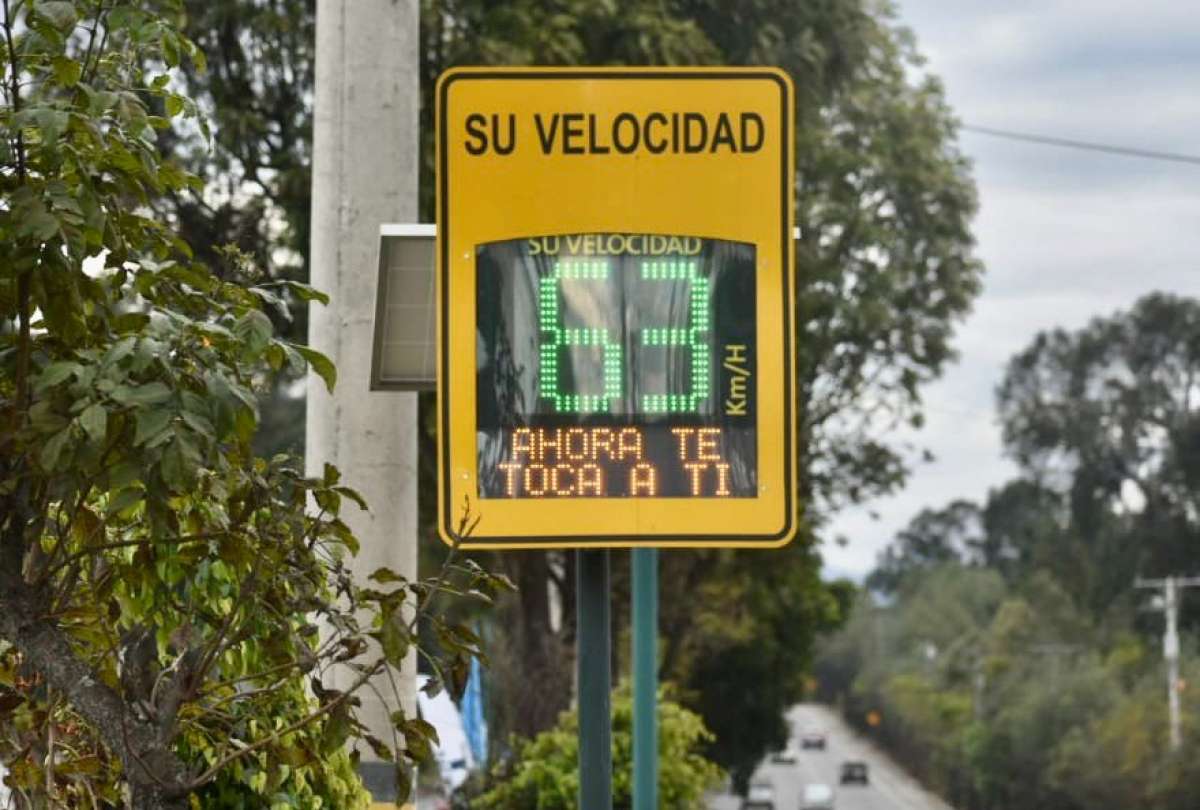
Cuenca radar contract audit deepens political clash between City Hall and oversight authorities.

Fusarium TR4 reaches Ecuador, forcing banana industry into its toughest biosecurity test yet.

U.S. troops arrive in Manta under old accords, not rejected base plan.
Fund Grace News

Fabianos Pizzeria News
