













Pawkar Raymi (Spring Equinox): The flowering season in the Andes
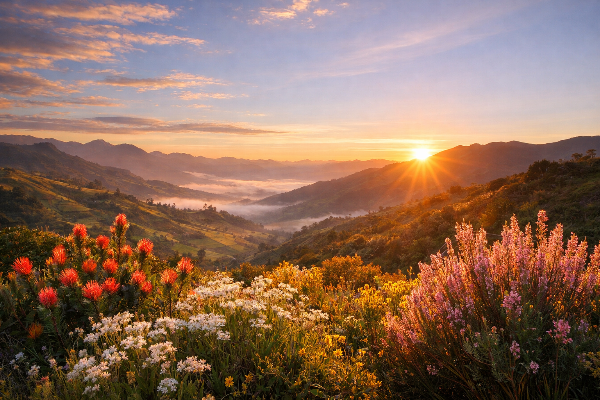
As the March equinox approaches, the Andean calendar enters a time known as Pawkar Raymi, the season of flowering.
In the traditional Andean agricultural cycle, this period marks the return of life in the fields. Blossoms appear and the landscape shifts from dormancy toward growth and abundance. Many communities recognize this moment as the Andean agricultural new year; a time associated with renewal, balance, and setting intention for the coming cycle.
Here in Ecuador, the equinox carries an interesting dimension. Because we site along the Earth’s equatorial line, the Sun passes directly overhead this time of year. At midday, objects can appear to cast almost no shadow, a phenomenon described as “standing without a shadow.”
Astronomically, this occurs when the Sun is positioned directly above the equator, when the Earth’s hemispheres receive nearly equal light. In many Andean traditions, this is viewed symbolically as a time of balance and a reminder of the relationship between the land beneath our feet and the wider cosmos.
Across the Andes, people mark this seasonal shift in simple ways: expressing gratitude for the flowering earth, cleansing homes, sharing abundance, or spending time in nature.
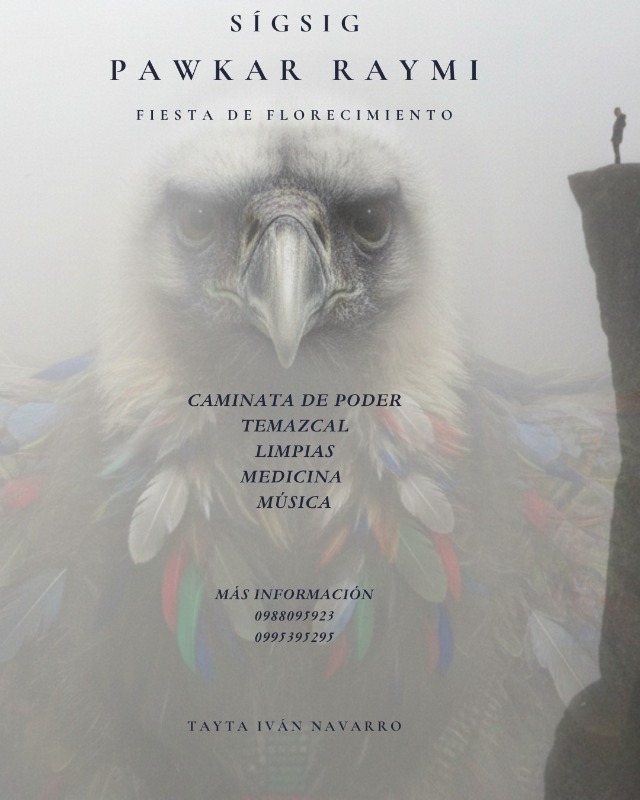
For those who feel called to explore more deeply, there is an opportunity to participate in a traditional Pawkar Raymi Equinox ceremony guided by Tayta Iván,along with options for house energy cleanses and personal harmonization sessions.
As always, there is no expectation, simply an open invitation for those curious about connecting with the rhythms and wisdom traditions of the Andes.
Grace Classifieds

Fabianos Classifieds

Nur Classifieds