









Countries where prescription drugs are available over the counter and countries that impose strict controls
By Samantra Brown
Picture yourself walking into a pharmacy abroad and pointing at antibiotics on the shelf. No doctor’s visit required. No questions asked. For some travelers, that scenario sounds like a dream come true. For others, it triggers red flags about safety and regulation.
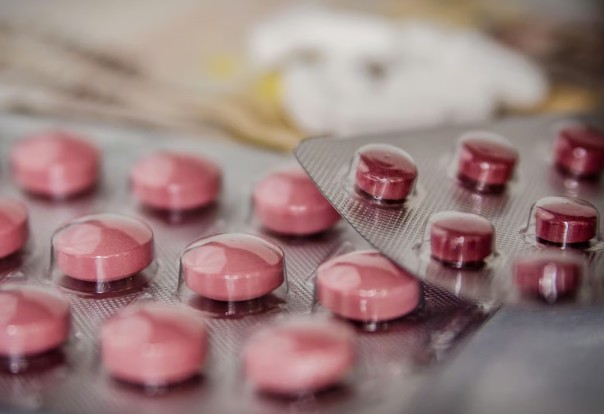 The reality is, prescription drug access varies wildly across borders. Some nations hand out medications like candy. Others guard them like state secrets. Understanding these differences matters more than ever as medical tourism grows and travelers cross borders seeking affordable treatments. Let’s dive into the countries where medication flows freely, and those where bureaucracy reigns supreme.
Mexico: The Pharmacy Capital for American Medical Tourists
For the most part, you can purchase prescription medications in Mexico without a prescription, and thousands of people cross the border to purchase discount pharmacy drugs, according to reports from pharmacy advocacy sources. The savings reach staggering levels. Insulin in Mexico offers a much-needed relief, often costing 50-70% less than U.S. prices, based on 2024-2025 data from Mexican pharmacy sources.
Here’s the thing though. The Mexican government has strict regulations in place to ensure that all prescription drugs sold in Mexico meet international quality standards. Major chains like Farmacias Guadalajara and Farmacias Benavides maintain reputations for reliability. Still, illegal pharmacies not registered with the Government of Mexico distribute and sell counterfeit medications, many laced with fentanyl, targeting tourists from the United States, Canada, and Western Europe, as reported in a 2024 State Department counterfeit medication report.
Prescription medicines, such as antibiotics, can be dispensed only if the consumer provides a written prescription, according to Mexican regulatory guidelines. The disconnect between law and practice creates a gray zone that benefits patients seeking affordable care but raises legitimate safety concerns about quality control and proper medical oversight.
 Ecuador, Colombia and other Latin American countries
Ecuador, Colombia and several other Latin American countries have medication rules similar to Mexico’s but, in some cases, controls are even more relaxed. Like in Mexico, generics can be purchased for dimes on the dollar compared to the U.S. Among the over-the-counter medications sold in most Latin American countries are pain killers, including some opioids, and Viagra equivalents.
A recent Associated Press article quoted a U.S. expatriate living in Cuenca, Ecuador, who routinely takes medicine, including generic opioids, back to a friend in the U.S. who suffers from rheumatoid arthritis. “I am able to buy two types of opioids over the counter here that he needs to manage his pain, plus three other meds he needs that cost a fraction of what he would pay up there,” the expat said. “Because of laws in the U.S., he is limited to the number of doses of opioids he can buy even with a prescription.”
Both Ecuador and Colombia require a doctor’s prescription for antibiotics, but the rule is not strictly enforced.
Thailand: Easy Access with Some Smart Restrictions
Actual drug classification of antibiotics, dyslipidemia treatments, and hypertension treatments in Thailand are notedly different from other countries, with 77.4% of drugs studied falling into the behind-the-counter (dangerous) drug category, according to a 2020 study published in medical literature. This classification system creates unique access patterns.
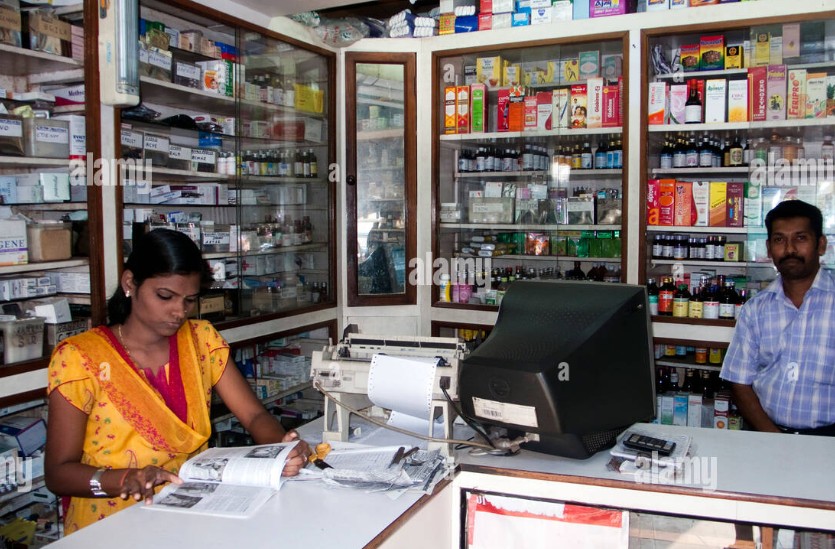
A pharmacy in India.
Thailand has a national drug law that allows antibiotics to be dispensed by doctors, pharmacists and health authorities, though the fact that antibiotics can be bought over the counter without a prescription means that non-qualified sellers can appear qualified to the uninformed user, based on 2024 research examining antibiotic use in Thai communities. OPS drugs can be sold in type 2 drugstores that are operated by certified non-pharmacists, though they are not permitted to be sold via online pharmacies in Thailand.
The accessibility creates convenience but poses risks. Many travelers bring medications home from Thai pharmacies, benefiting from significantly lower prices. Yet oversight gaps mean quality varies dramatically between establishments.
India: The World’s Pharmacy With Minimal Gatekeeping
India operates as a pharmaceutical powerhouse where countless medications flow freely. Though comprehensive 2024-2025 statistics on over-the-counter prescription access weren’t available in search results, India’s reputation as a source for affordable generics is well-established globally.
The country manufactures medications for the entire world. Domestic access mirrors this production reality. Walk into many Indian pharmacies and you’ll find antibiotics, blood pressure medications, and diabetes treatments available without doctor authorization. Price differences compared to Western markets often exceed seventy percent.
Quality remains the gamble. Counterfeit medications plague the supply chain. The Pharmaceutical Security Institute reported around 6,897 incidents of counterfeiting, illegal diversion, and theft of pharmaceuticals in 142 countries in 2023. India represents a significant portion of these global incidents, creating genuine risks alongside the cost savings.
Greece: European Union Member With Relaxed Enforcement
Greece technically follows European Union pharmaceutical regulations, yet enforcement tells a different story. Pharmacists frequently dispense prescription medications based on patient requests rather than doctor orders. The practice thrives in tourist areas where travelers seek antibiotics or other treatments without local medical consultations.
This accessibility stems partly from economic realities. Greece’s financial struggles over the past decade created pressure on the healthcare system. Pharmacists filling gaps in medical access became normalized, even when technically violating regulations. Tourists benefit from this informal system, though Greeks themselves often struggle with medication shortages and insurance coverage challenges.
Portugal: Surprisingly Liberal Despite Decriminalization Fame
Portugal gets attention for decriminalizing drug possession in 2001, but its prescription medication landscape deserves equal notice. Many Portuguese pharmacies adopt flexible interpretations of prescription requirements, particularly for medications previously prescribed to patients.
The system operates on trust and professional judgment. Pharmacists maintain significant autonomy in dispensing decisions. Someone presenting an empty medication bottle or describing previous prescriptions often receives refills without fresh doctor authorization. This approach balances access with safety, relying on pharmacist expertise to prevent abuse.
More than 50% of antibiotics are globally acquired without a prescription according to a 2024 study on antimicrobial resistance, and Portugal contributes to this statistic despite being a developed European nation.
Spain: Antibiotics Without Questions in Many Locations
Spanish pharmacy culture traditionally emphasized accessibility over strict gatekeeping. Though regulations technically require prescriptions for antibiotics and most therapeutic medications, enforcement varies dramatically by location and pharmacy.
Rural areas and smaller cities often maintain looser standards. Pharmacists in these communities know customers personally and dispense based on relationships and professional judgment. Larger cities and chain pharmacies increasingly enforce prescription requirements, creating a two-tier system based on geography and establishment type.
The European Union pushes Spain toward stricter compliance, but cultural traditions die hard. Travelers still report success obtaining common medications without prescriptions, particularly antibiotics for respiratory infections or urinary tract issues.
United States: The Prescription Fortress
The United States maintains perhaps the world’s strictest prescription controls despite having the highest drug prices globally. In 2022, U.S. prices across all drugs were nearly 2.78 times as high as prices in comparison countries, with brand drugs at least 3.22 times as high even after adjustments for estimated U.S. rebates, according to ASPE research analyzing OECD country data.
As of November 18, 2024, around 97,289 OTC drugs are approved by the FDA, yet the vast majority of therapeutic medications require prescriptions. Even common antibiotics demand doctor visits. The controlled substance list extends beyond narcotics to include medications freely available elsewhere, like certain cough suppressants containing codeine.
This fortress approach creates barriers to care. Around three out of every ten Americans surveyed has reported skipping doses, forgoing refills, or substituting an over-the-counter medication because of high prices, based on KFF 2023 survey data. The irony cuts deep: Americans face the highest prices and strictest access controls simultaneously.
Japan: Cultural Conservatism Meets Bureaucratic Precision
Japan’s pharmaceutical regulations reflect broader cultural values emphasizing order, safety, and collective responsibility. Any medication that contains amphetamines is illegal, and many over-the-counter and prescription medications common in the United States, including ones for pain, depression, ADHD, and many kinds of decongestants and allergy medications are illegal, according to CDC Yellow Book 2025 travel guidance.
The restrictions extend beyond narcotics. Common Western medications containing pseudoephedrine face prohibition. Travelers arriving with personal supplies risk arrest if they fail to obtain proper permits. Some medications are legal but only in limited quantities or with advance permission from the Japanese government. This bureaucratic precision prevents casual medication access while maintaining strict quality control.
Domestic access mirrors these controls. Japanese citizens require prescriptions for nearly all therapeutic medications. Pharmacists maintain limited dispensing autonomy compared to European counterparts. The system prioritizes safety and quality over convenience, reflecting national preferences even when creating access challenges.
Sweden: The Nordic Model of Total Control
Sweden implements perhaps Europe’s most restrictive drug policies, driven by a vision of a drug-free society. Drug control legislation in Sweden is in many respects stricter than what is required by treaties, and narcotic medicines may only be supplied on prescription from a doctor, dentist or veterinarian, according to UNODC analysis of Swedish drug policy.
Sweden has somewhat socially conservative and abstemious culture, with relatively low levels of alcohol and tobacco use, and low levels of prescription drug use too, based on drug policy research. The taking of illicit drugs was made a punishable offense in 1988, and since July 1, 1993, police have been allowed to order chemical analyses of body fluids for evidence that a suspect has been taking illicit drugs.
This zero-tolerance approach extends to prescription medications. Swedish authorities maintain comprehensive tracking systems for all dispensed prescriptions. The Register with personal ID numbers was established in July 2005 and contains all prescribed drugs dispensed in pharmacies. The surveillance aims to prevent abuse while ensuring proper medical oversight for all therapeutic medications.
_________________
Credit: World Travel



Hogar Esperanza News

Fund Grace News

Fabianos Pizzeria News

The Cuenca Dispatch

Week of September 06

U.S. sinkings of Ecuadorian fishing vessels trigger court scrutiny after 28 crew members are released.

Cuenca targets a November launch for its first new international link to Chiclayo.
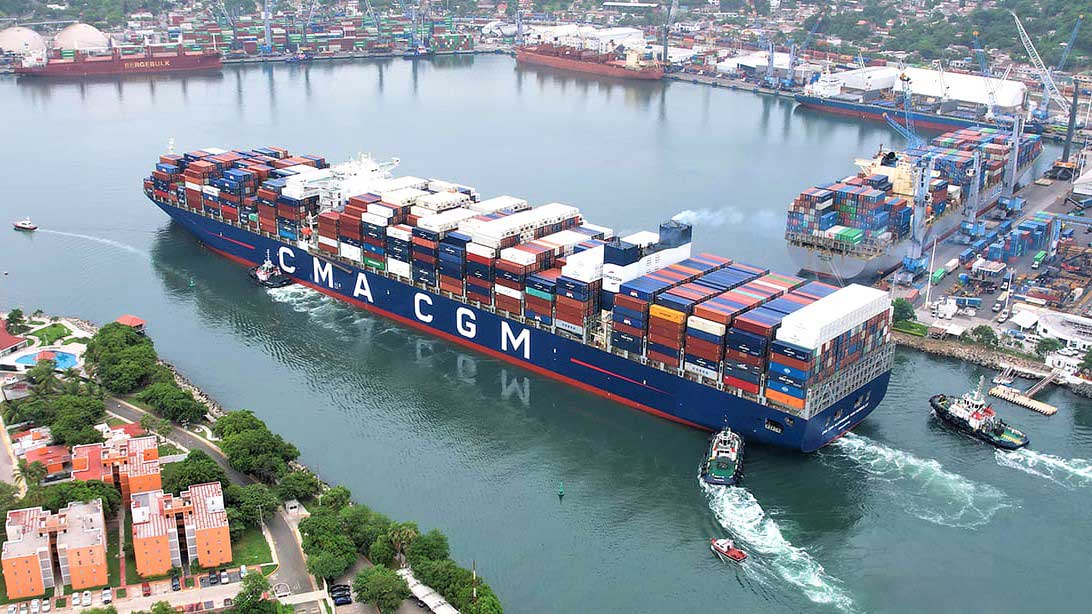
Exports hit a quarterly record, but Ecuador’s import bill is rising even faster.