












Despite government denials, Ecuador’s energy crisis continues and is getting worse, experts say
Following a weekend request that large companies generate their own electricity, the Energy Ministry was quick to “clarify” that the request did not indicate that blackouts were imminent. “This is not a crisis situation but is a response to high temperatures in the coastal region, which is driving up energy demand in the short term,” the ministry said in a statement.
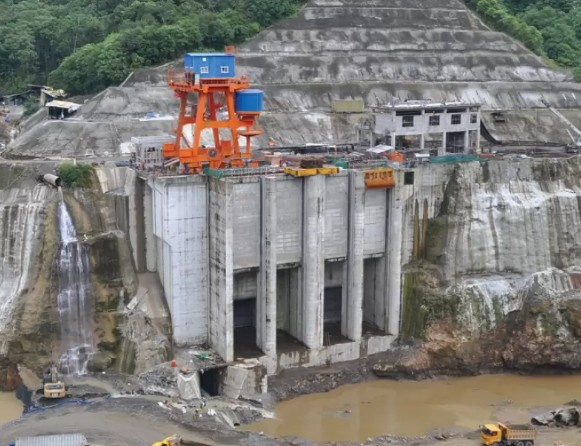
The Coca Coda Sinclair hydroelectric east of Quito is generating at a fraction of capacity and experts predict this will not change.
Independent energy experts disagree and say the energy crisis of 2024, when the country suffered months of electrical blackouts, continues and is in fact getting worse.
“There is continuing denial about the overall energy situation, and the fact is that we are in a permanently critical condition,” says, corporate energy consultant Jorge Luis Hidalgo. “Not only have we failed to add capacity to cover the deficit, we are not keeping up with increasing demand.”
Hidalgo also warns that existing generation infrastructure is deteriorating and requires billions of dollars of investment. “Beyond this, we have the ongoing dilemma at Coca Coda Sinclar hydro which is unlikely to be overcome,” he says. “We are told that the capacity there is 1,500 megawatts but in the past two years the average generation has been only 400 megawatts. This will not change because the erosion and siltation problems there cannot be corrected.”
Carlos Iglesias, electrical engineering professor at the University of Guayaquil, says the focus on water and flow levels at the Mazar hydroelectric complex near Cuenca and at Coca Coda are being publicized as a distraction to bigger problems. “Yes, the reservoir at Mazar is currently full and the plants there are operating at maximum capacity, but this is becoming a smaller part of the overall power situation. Consider the fact that national demand has increased almost 20% since the beginning of the 2024 blackouts.”
According to Iglesias, new generation capacity added since 2024 meets only 50% of new demand. “Not only are we not addressing the deficit that existed at the time of the blackouts, we cannot keep up with demand, which is increasing at 10% or 11% annually.”
According to Hidalgo, the country desperately needs a comprehensive energy plan to address both the deficit as well as growth. “This was suggested many times in 2024 and early 2025 but there has been no serious effort to begin planning,” he says. “Everyone agrees we need a system to accommodate such weather disruptions as droughts and floods, but nothing is happening.”