














Different cafés, different rhythms in Cuenca
One of the things Cuenca does especially well is variety. Cafés here are not interchangeable. Each one attracts a slightly different mix of people, activities, and expectations, often without anyone saying a word. Knowing which café fits your rhythm makes all the difference.
Cafés That Attract Older Expats and Slower Conversations
Some cafés naturally draw older expats who enjoy routine, conversation, and familiar faces. These spaces tend to move at an unhurried pace. People read, knit, chat, or simply watch the street.
Places like Café Austria, Café San Sebas, and cafés near Plaza San Sebastián often fall into this category. Outdoor seating, steady foot traffic, and a relaxed atmosphere make them good choices for knitting, journaling, or quiet games that invite conversation.
 Neighborhood Cafés for Knitters and Interest-Based Connection
Some cafés quietly support interest-based gatherings without being formal or organized. Knitters, chess players, and card players often gravitate toward places with sturdy tables, lower noise, and staff who do not rush people along.
Café Ñucallacta, Coffee Cor, and Sinfonía Café – Tostaduría y Cafetería tend to attract people who stay awhile and are open to conversation. These cafés work well for solo knitters or small groups who want connection without committing to a club.
The knitting group at La Yunta is a visible example of this kind of gathering, but many informal versions exist across the city.
Cafés Popular With Digital Nomads and Remote Workers
Other cafés lean toward digital nomads and remote workers. These spaces often fill with laptops by mid-morning. The energy is focused but calm, and longer stays are common.
Cafés along Calle Larga or in busier parts of El Centro often fall into this category. Mirna’s Coffee Lovers tend to attract people who work, read, or meet briefly between tasks. These cafés function best when longer stays are balanced with steady ordering and smaller tables are used thoughtfully.
Cafés That Draw Younger Expats and Backpackers
Cafés closer to universities, hostels, or high-traffic areas tend to attract younger expats, travelers, and backpackers. Conversation is livelier. Tables turn more often. Group meetups and short visits are common.
Places like Sucré Salé or cafés around Parque Abdón Calderón often have this faster rhythm. Outdoor terraces in this area are especially good for people-watching, casual chess games, or short social stops.
Public Spaces for Casual, No-Pressure Connection
Not all connection needs to happen in cafés. Public spaces play an important role, especially for people who want company without expectations.
Benches in Plaza San Sebastián and other smaller plazas are popular for knitting, reading, or quiet games. The walkways along the Tomebamba River offer a peaceful setting where people linger, watch life pass, and sometimes strike up conversations naturally.
The Unspoken Balance
What connects all of these spaces is an unspoken balance. Cafés are social rooms, but they are also working businesses. When a café’s rhythm and a customer’s rhythm align, everything feels easy. When they do not, tension can quietly build without anyone intending it.
Most café owners are not trying to limit who belongs. They are navigating space, timing, and sustainability. For those of us who enjoy lingering, small choices help keep that balance intact. Ordering again if you stay awhile. Sharing food. Choosing a table that fits the activity. Saving longer stays for quieter hours.
Cuenca offers room for many ways of being. The magic happens when we let the café choose us as much as we choose the café.



Hogar Esperanza News

Dani News

Fund Grace News

Property Amazon News

Anubis Restaurant News

Fabianos Pizzeria News

The Cuenca Dispatch

Week of January 11

Cuenca hospital staff warn lives are at risk as medicine shortages deepen inside the region’s main public hospital.

Caracas upheaval threatens to sever Correísmo’s last powerful lifeline in a rapidly shifting Latin American left.
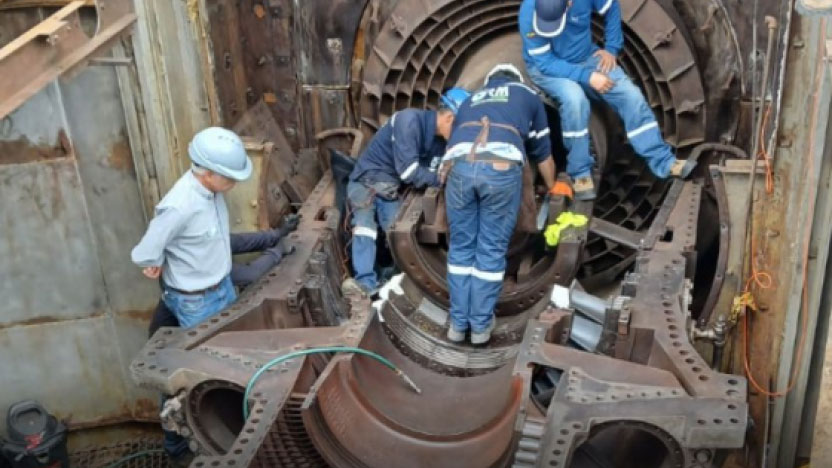
Mazar drops as government leans on thermal power to calm blackout fears during Ecuador’s dry season.