











Finding purpose in expat retirement: Why we volunteer at HopeSeed School
By Liam Higgins
When expats dream of retiring in Cuenca, the vision usually includes strolling along the cobblestone paths of the Tomebamba River, enjoying the spring-like weather, exploring the historic center, and stretching their retirement dollars in a beautiful Andean setting. It is a well-deserved dream, and for many, it perfectly describes their first year in Ecuador. But after the initial “vacation phase” fades, the boxes are unpacked, and the daily routine sets in, many active retirees find themselves grappling with a much deeper question: “What is next? How do I truly connect with this community beyond the expat bubble?”
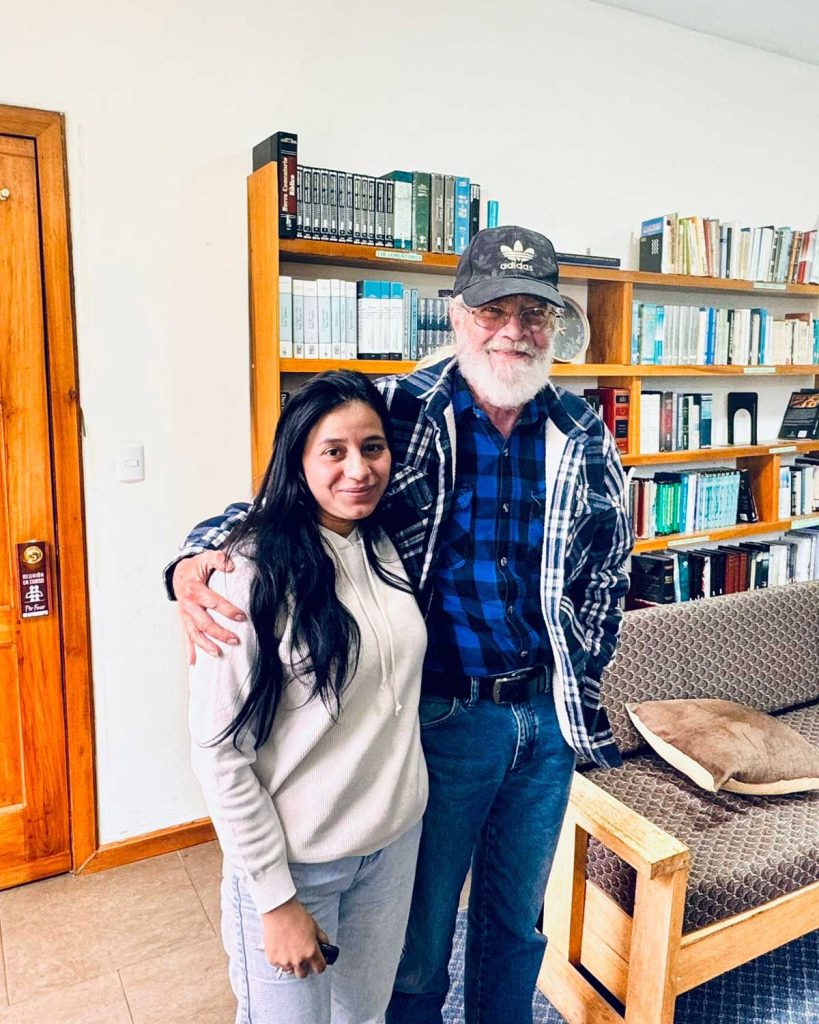
After building their home in the rural area of Paccha, Bryan and Diana found a shared passion for giving back to their local community through the bilingual classrooms of HopeSeed School.
For Bryan, a retired Special Education teacher originally from East Tennessee, and his wife Diana, a sociologist and educator from Guayaquil, Cuenca became the perfect place to settle down. But the answer to their “what’s next?” wasn’t found in another expat mixer, a Spanish language academy, or a local cafe. It was found in the vibrant, bilingual, and uniquely structured classrooms of HopeSeed School.
We sat down with Bryan and Diana for an in-depth conversation about their journey, the unexpected joys and challenges of volunteering, and why they firmly believe that spending a few hours a week with local Ecuadorian students is one of the most profound investments of their time.
From Tennessee to Paccha: Finding Common Ground
Bryan and Diana’s story is a beautiful, serendipitous blend of cultures. They met in a way many expats can appreciate — at Common Grounds in Cuenca, brought together by a shared game of bingo and Diana’s intermediate English. Married for over two years now, they chose to build their life in the peaceful, rural area of Paccha, about a thirty-minute drive outside the bustling center of Cuenca.
“I wanted to retire somewhere relatively cheap,” Bryan shares with a warm smile, recalling his initial research. “Ecuador is in the top ten… they use the US dollar, and then there is the weather. I really like this type of weather. And it offers a smaller community, which I like ’cause I don’t really like big cities, so that’s why I chose Cuenca.”
But retirement for Bryan didn’t equate to sitting idle. “I like to be productive, you know. I’ve been a teacher for a long time,” he explains.
Diana was also navigating a transition. With a professional background as a sociologist working on social projects with youth and the elderly in Guayaquil, she had recently completed her Master’s degree. After the time-consuming process of building their house in Paccha was finally complete, she was looking for opportunities to enter the local workforce and gain hands-on experience working specifically with children.
Through friends Daniel and Julia at their church, Calvary Chapel, they heard about HopeSeed School. They were looking for a Christian-based environment where English was spoken, a place that could benefit from Bryan’s native language skills and Diana’s educational background. They decided to reach out and offer their time. Since January 5, they have become a beloved staple in the school’s hallways.
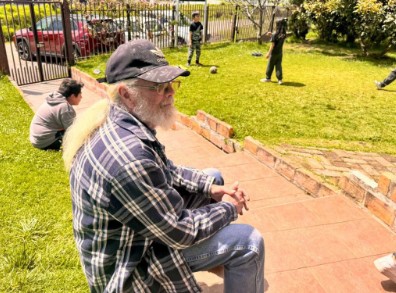
For Bryan, a retired Special Education teacher from Tennessee, the vibrant energy of the students at HopeSeed School brings a profound sense of purpose to his retirement in Cuenca.
A Striking Contrast: The “Beautiful Chaos” of HopeSeed
With years of experience teaching handicapped and emotionally disturbed high school students in the United States, Bryan is no stranger to the complexities of a classroom. However, his first impression of HopeSeed School was a striking contrast to the highly regimented public schools he was used to back home.
“I think in the United States, things are a little more rigid,” Bryan notes, reflecting on his previous career. He describes how, in his former classrooms, every transition was meticulously managed — reminding students of the strict expectations of walking quietly down the hallway or entering the P.E. room.
At HopeSeed, he observed a very different dynamic. The school operates on a multi-level classroom system, meaning students of varying academic levels might share the same physical space, receiving highly individualized instruction rather than traditional, whole-group lectures. Bryan warmly refers to this energetic environment as a “beautiful chaos.”
Instead of strict, punitive discipline demanding absolute silence, he saw a highly individualized, restorative approach. The students sit at tables, collaborating and focusing, while teachers rotate among them. “I see the teacher working individually a lot with the kids,” Bryan says. “When there does need to be correction, it’s gentle. I’ve never heard a teacher raise their voice at all to a student. They are patient and kind… it is loose, but focused.”
The Art of Tutoring: Diana’s Sociological Perspective
Diana found her specific niche not at the front of the classroom delivering lectures, but working intimately side-by-side with the students as a teacher’s assistant.
“I am more like a tutor… I like that dynamic because I get to know them better”, she explains. She works closely with younger students, adapting to their unique learning paces.
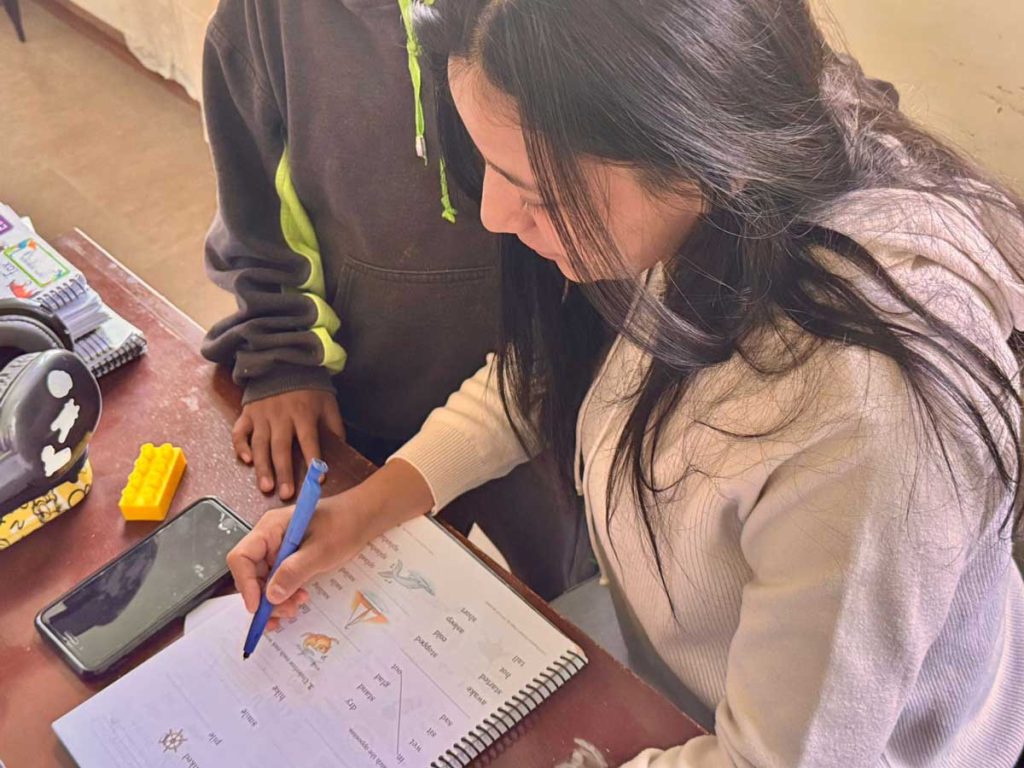
Diana uses her background in education to provide highly individualized tutoring, acting as a crucial bridge for students navigating their 100% English curriculum.
Drawing on her background in sociology and education, Diana is highly observant of the micro-dynamics of the classroom. She watches for the subtle signs of frustration — like the exact moment a student’s pencil stops moving. “What is happening? What do you need?” she will ask.
She notes that because the school uses advanced international curriculum like Abeka, the materials are 100% in English. Sometimes, the students simply freeze up when reading complex instructions. Diana steps in to bridge that gap. “Sometimes because the books are 100 percent English, they don’t understand a word and they freeze,” she explains. “When I translate the instruction for them, they immediately know what to do. They are very intelligent kids; they just need that bridge.”
She also recognizes the reality of working with children: sometimes they just don’t want to work. Diana has mastered the art of educational negotiation. “If you want to draw,” she tells them gently but firmly, “you have to finish these three pages first.” This individualized attention ensures that no child is left behind or allowed to give up out of frustration.
Language is a Bridge, Not a Barrier
One of the most common reasons English-speaking expats hesitate to volunteer in local Ecuadorian organizations is the fear of the language barrier. When asked to rate his level of Spanish, Bryan laughs out loud: “Negative one!”
But as he quickly realized, his native Tennessee English is not a liability at HopeSeed; it is exactly what the students need. The school utilizes an immersion model, meaning the students are constantly challenged to listen and respond in English.
“The kids really help you learn Spanish for one thing. That’s a positive,” Bryan says. He notes the mutual benefit: the students get to practice their pronunciation and listening comprehension with a native speaker, and he gets a gentle introduction to the local language. For the moments when communication gets tough, a combination of patience, body language, and Google Translate goes a long way.
Furthermore, Bryan points out that the administration and teaching staff at HopeSeed make it incredibly easy for expats to integrate. “Between the administration, the staff and the teachers, it is bilingual,” he notes, praising director Heidi and teachers like Luis and Anita. “An expat coming here would feel quite comfortable.”
Experiencing the “HopeSeed Difference”
As Bryan and Diana have spent more time at the school, they have been deeply moved by the genuine Christian culture and the warmth of the student body. HopeSeed isn’t just focused on academic rigor; it is intensely focused on the heart and character of the child.
Bryan has been particularly impressed by how seamlessly faith is woven into the academics. “The books… every book I’ve seen goes back to the Bible,” he points out. He often overhears science lessons and notes how discussions about space and the solar system naturally point back to God’s creation.
He also highlights the school’s Wednesday Chapel sessions — forty-five minutes dedicated to singing, prayer, and celebrating students’ birthdays. Recently, the school even celebrated several students getting baptized at their respective local churches. “You would not hear that in a public school in the United States,” Bryan remarks with appreciation.
Diana echoes this sentiment, observing how the kids actively live out the values they are taught, rather than just hearing about them once a week. “Christianity is integrated… it is in them”, she says. She notes the deep respect the students show one another, how they comfort each other, and how social and welcoming they are to visitors. “They don’t just stay in their seats; they come up and say ‘Hola profe!'”
This unique atmosphere was recently perfectly summarized by a visitor from the United States, Jonathan Bonifaz, who came down with a church team to help construct HopeSeed’s new building. After observing the daily interactions, Jonathan remarked: “When I heard from the States that you guys were doing a school, I just imagined the normal US school… that’s not what you guys have. You guys are actually ministering to each of these kids.”. For more information about their construction progress or if you would like to contribute to the construction fund, see their construction gallery page.
A Profound Sense of Purpose
For Bryan and Diana, volunteering at HopeSeed is far more than a way to pass the time; the motivation to keep showing up is deeply spiritual and highly personal.
“I think I’m obligated to from a spiritual side… we’re told to, you know especially the little ones, ‘let the little ones come to me’,” Bryan reflects. He feels the immediate, tangible reward of that service every single day. “Pablo’s so loving you know, you can’t help but want to hug that kid. It’s fun to just have a child that listens to you, and that they try their best.”
It is a place where they feel valued, respected, and part of a larger family. Bryan even makes sure to give a special shoutout to the unsung heroes of the school: “Great food here! The cooks do a great job.”
An Invitation to the Expat Community
When asked what they would say to other expats or local Ecuadorian parents who are considering the school, Bryan’s answer is simple and profound: “The teachers are supportive and loving and kind, and really work with the kids… it creates more of a family-type setting than maybe a regular public school would.”
Looking ahead to September, HopeSeed School is preparing to move into a brand-new, four-story building in the Baños sector, expanding its capacity to serve even more students in Cuenca. While this will add a few more minutes to Bryan and Diana’s commute from Paccha, their dedication to the students remains a priority as they balance their upcoming travels and Diana’s career goals.
Retirement in Cuenca offers a beautiful, peaceful chapter of life. But as Bryan and Diana have discovered, taking a few hours a week to step outside the expat bubble and invest in the next generation of Ecuadorians makes the story so much richer. You don’t need to speak perfect Spanish, and you don’t need to be a professional teacher. You just need a willing heart, a bit of patience, and a desire to make a difference.
Want to get involved? As HopeSeed School expands to its new building this September, they are always looking for passionate English-speaking volunteers to assist with reading programs, library time, and mentorship. If you want to add a deeper sense of purpose to your life in Cuenca, reach out to them!
📍 Learn more about volunteering or enrolling at HopeSeed School by visiting their contact page or writing directly to info@hopeseedschool.org or calling 099-839-2122


Hogar Esperanza News
Fabianos Pizzeria News

Fund Grace News

The Cuenca Dispatch

Week of September 20
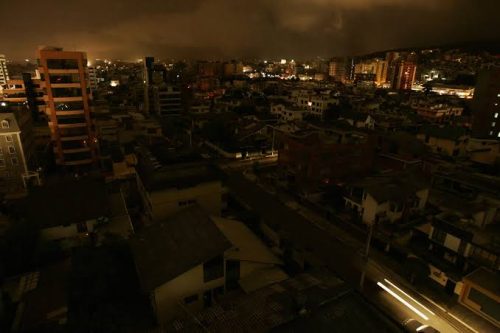
Ecuador turns to industrial power cuts to protect Mazar and keep homes from going dark.

Ecuador raises its 2026 growth forecast, but El Niño could spoil the outlook next year.
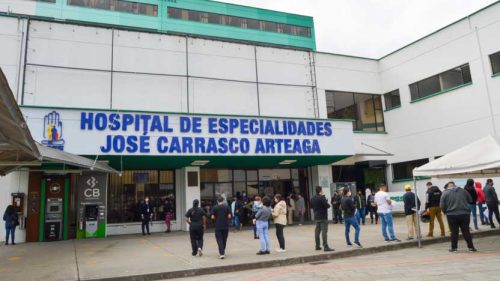
Cuenca retirees challenge medical and therapy changes at IESS senior center.