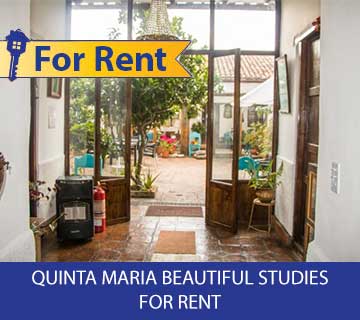















Finding Your Home in Cuenca: A Renter’s Guide
 For almost all new expats, renting is the logical, smart first step. It gives you the flexibility to learn the city’s distinct neighborhoods, figure out if you’re a “city center” person or a “quiet suburb” person, and truly understand the pulse of the city before making the major financial commitment of buying.
The great news is that Cuenca’s rental market is affordable, and the quality of housing in popular expat areas is high.
What to Expect: Prices in 2025 Prices in Cuenca are stable and predictable. For a high-quality apartment in a desirable neighborhood, you can expect a wide range, but most expats land in the middle.
- The “Frugal” Option: A 1-bedroom apartment in the city center averages $350 – $600 per month. Modest 2-bedroom apartments in less-sought-after areas can be found for as little as $300.
- The “Expat Standard”: A modern, 2-bedroom, unfurnished apartment in a desirable area will typically rent for $500 – $750. A 3-bedroom apartment in the city center averages around $660 – $800.
- The “All-Inclusive” Option: It’s possible to find fully-furnished, modern 2-bedroom apartments with a terrace and mountain views, with all utilities and building fees included, for around $750 per month.
- The “Luxury” Option: At the very high end, a luxury duplex penthouse in the best neighborhood of the city can top $1,300.
Understanding the Neighborhoods: A Lifestyle Choice When searching, it’s important to understand the lifestyle differences.
- “El Centro” (The Historic Center): This is the UNESCO World Heritage heart of the city.
Pros: Stunningly beautiful, colonial architecture, eminently walkable, and puts you in the heart of the action—restaurants, cafes, and markets are all at your doorstep.
Cons: Noise. This is the #1 trade-off. Barking dogs, church bells, gas trucks playing their repetitive jingles, and street noise are a constant in this area.
- Modern Areas (e.g., Ordoñez Lazo, Gringolandia, Av. Pumapungo): These are the quieter, more modern neighborhoods just outside the historic center.
Pros: Less noise, more modern construction, high-quality apartment buildings, more green space, and easier parking.
Cons: Less “colonial charm,” and you might need a $3 taxi to get to El Centro instead of walking.
A Perfect Example: Avenida Pumapungo is a popular modern area, home to new apartment buildings, restaurants, and, notably, modern medical facilities like the Medimagen building.
The Process: How to Find and Secure a Rental Finding a rental in Cuenca is still a “boots-on-the-ground” process. You won’t find the best deals on Zillow.
- Where to Look: While some listings are online (Facebook Marketplace, GringoPost), many of the best deals are not. The #1 method is to identify a neighborhood you like and literally walk around looking for “Se Alquila” (For Rent) signs. Word-of-mouth and tips from other expats are also invaluable.
- Lease Terms: A one-year lease is standard.
- Deposits: A deposit of one or two months’ rent is typical.
- What’s Included?: You must ask this. Often, the monthly alícuota (the HOA or building fee) is included in the rent , but utilities (electricity, water, internet) are separate. As noted, some all-inclusive rentals exist, but they are the exception, not the rule.
Finding the right apartment can take a few visits, but the value you get for your money—a beautiful, modern home for $600 a month—is almost always a pleasant surprise.
This article is sponsored by smilehealthecuador.com. Finding the right apartment can take some legwork, but finding the right dentist is simple. If you’re exploring those modern neighborhoods, you’ll be right at their doorstep. smilehealthecuador.com is located in the new, state-of-the-art Medimagen building on Avenida Pumapungo —a perfect example of the modern, high-quality, “American-Standard” services Cuenca has to offer. They’re easy to find, and their care will make you feel right at home.