















Geography and culture are key factors in murder rates as 53 cantons recorded no murders in 2025
How is it that some municipalities in Ecuador have the highest murder rates in the world while others record no murders at all? And how can some of the country’s larger cities be considered the most dangerous in the world while others are considered the safest?
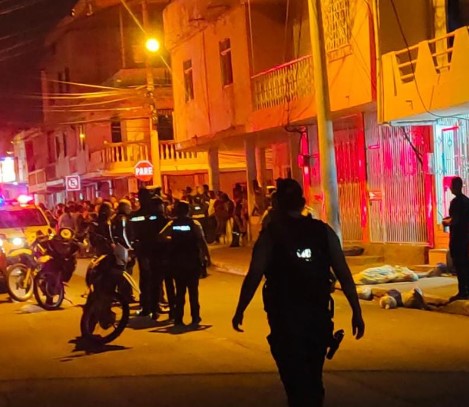
The bodies of murder victims are covered following a recent massacre in Portoviejo in Manabi Province.
Criminologists and sociologists examining 2025 murder data say the sharp contrast is due to a number of factors, geography being the most obvious. “It is no mystery why the murders concentrate on the coast, near the ports and drug trafficking transport routes,” says criminologist José Luis Castillo. “Add to this the criminal gangs competing for territory in these areas and you have a deadly mixture.”
By contrast, says Castillo, communities in the sierra and Amazon are far from the ports and the drug routes from Colombia and are largely unaffected by transnational drug operations. “This becomes clear when you review the distribution of murders in the country and look at the 53 cantons that recorded zero murders in 2025,” he says.
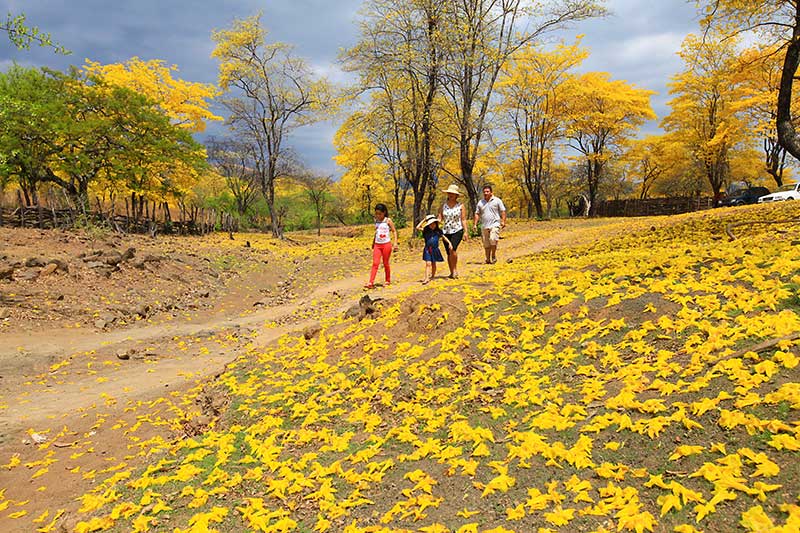
Of the murder-free municipalities, more than half are in the southern sierra, in Loja, Azuay and Canar Provinces. “Many of these cantons are in rural districts with low population density, where community and family relationships are strong and where the drug trade is not a factor,” Castillo says.
In some of these municipalities, he says, especially in the Amazon, there is illegal mining but unlike drug trafficking, this is rarely accompanied by high murder rates. “Most of the mines are located away from populated areas so there is limited interaction with the criminal groups engaged in mining,” says Castillo.
Besides geography and culture, economic factors play a role in murder rates, says University of Cuenca sociologist Marco Salamea. “In the southern sierra, in Azuay, Cañar and Loja Provinces, there are more stable socioeconomic conditions than other regions of the country,” he says. “In addition to family ties of support, there are the large amounts of money sent home to the region from overseas. The remittances from the U.S. and Europe in these provinces are 10 times higher per capita than those received in the coastal region and these extra funds provide a better standard of living.”
Salamea said there is some concern that the amount of remittances will drop as the U.S. cracks down on unregistered aliens, but so far this hasn’t happened. “In fact, we are seeing the total amounts grow in recent months,” he says.
As a result of remittances and other factors, Salamea says the extreme poverty rate in Azuay, Cañar and Loja is low compared the rest of the country.
The concentration of indigenous populations in the sierra and the Amazon is another factor in the region’s low murder rate. “The indigenous have a strong tradition of community control, including systems of punishments for those who violate the rules,” says Castillo. “There are occasional abuses of the system with cases of vigilantism, but these are relatively rare.”
As for predictions that the coastal violence will spread to sierra cities such as Loja, Latacunga and Cuenca, Castillo is skeptical. “I don’t doubt there will be some increase in criminal activity, but these cities are not where the money is concentrated and where the gangs are fighting for territory,” he says. “The gangs have been in sierra cities for decades but mostly operate on small, mostly non-murderous scale. Their business is selling small amounts of drugs, stealing cars and reselling stollen property and this activity will continue.”
The major cocaine transport routes will remain in the coastal region, since this is the shortest distance between the Colombian suppliers and the ports,” Castillo says. “It would be impossible for those routes to operate in the mountains where the geography limits the passage of heavy vehicles to the major highways.”