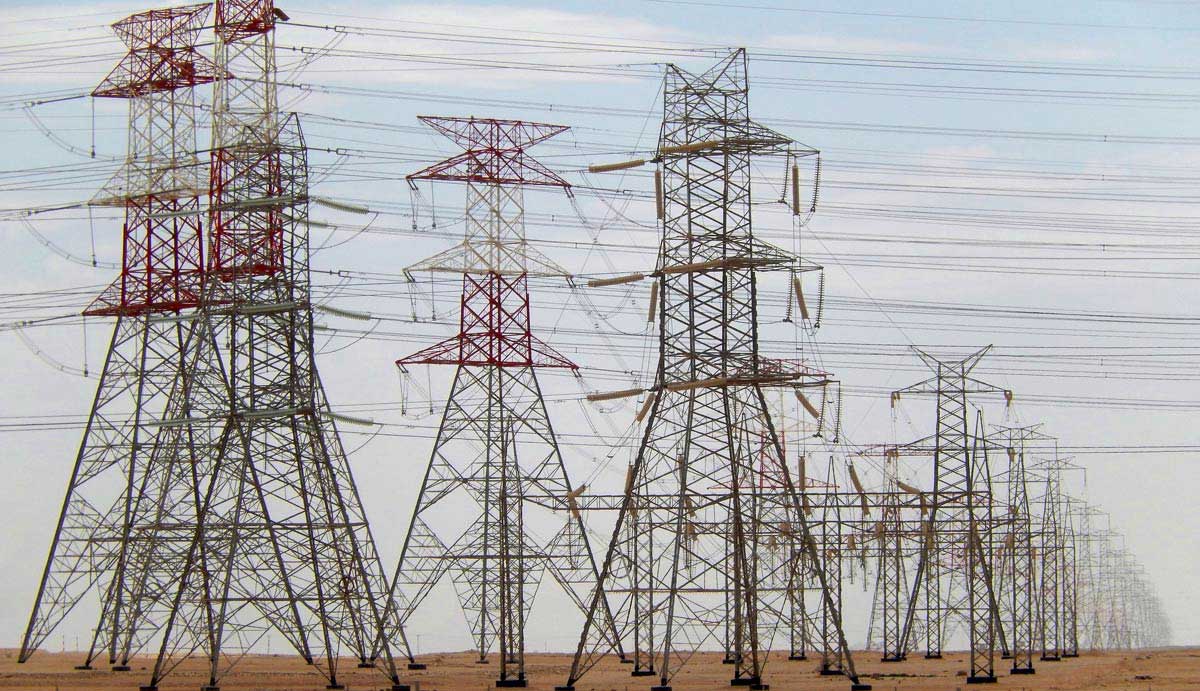

















Power company looks forward to April showers as water levels drop rapidly at Mazar and Coca Coda
The water levels at the Mazar reservoir and Rio Coca, the sources that power the country’s two largest electric generation plants, is dropping rapidly. On Thursday, Ecuador’s Electric Corporation (Celec) reported that generation at the Coca Coda Sinclair plant is operating at less than 25% capacity and that rapidly dropping reservoir levels at Mazar could reduce generation capacity within a matter of days.
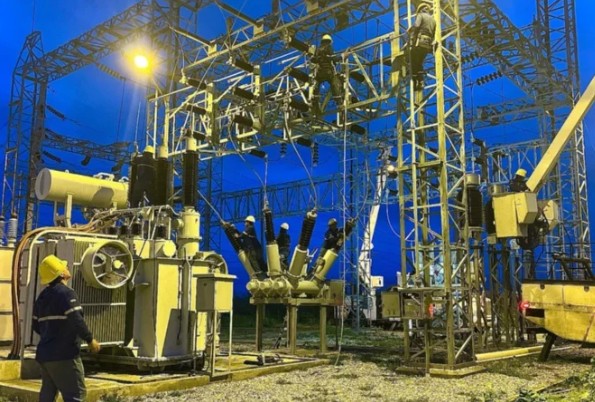
Dry weather is restricting power generation at Ecuador’s hydro-electric plants.
Celec says the flow rate at Rio Coca, which feeds the Coca Coda Sinclair plant, is at the lowest point since early 2024. Designed to generate as much as 1,400 megawatts, the generators are currently operating at a rate of less than 400 mw.
Although the three generation plants at the Mazar complex are operating at 72% capacity, local operator CelecSur says that could soon be reduced. The Mazar reservoir has dropped 15.25 meters in the three weeks, CelecSur reports, reducing the reservoir level from 2,154 meters above sea level to 2,138. All three generators in the complex shut down if the level drops to 2,098 meters.
Between them, Coca Coda and Mazar generate about 70% of the country’s electricity.
Former Celec director Richardo Buitrón says that seasonal rains could soon refill the Rio Coca and Rio Paute, the rivers that power Coca Coda Sinclair and the Mazar plants. “April and May are traditionally the wettest months of the year on the eastern slope of the Andes, where Mazar, Coca Coda and four other hydro plants are located. “The projection is that the rains are coming and will prevent a repeat of 2024. If we have a recurrence of the 2024 drought, however, the situation could turn critical within a matter of weeks.”
One reason the electricity system is under stress, says Buitrón, is an underestimation of increased demand. “Our plans calculated an annual growth of usage at 6% to 7% but the actual rate is 11% to 12%,” he says. “Today, because of the demands of technology, especially artificial intelligence, we could be facing exponential growth in demand, and we must beginning planning for this immediately.”
Electricity usage set records every month in 2025 as well as through the first three months of 2026, Buitrón says, and March 18 set the all-time consumption record of 5,274mw. “One thing you can count on,” he says. “is that ths record will soon be broken.”
According to Buitrón, new generation capacity brought online since the 2024 blackouts, covers only 30% of increased usage.