












New confrontation may be brewing between the government and the Constitutional Court
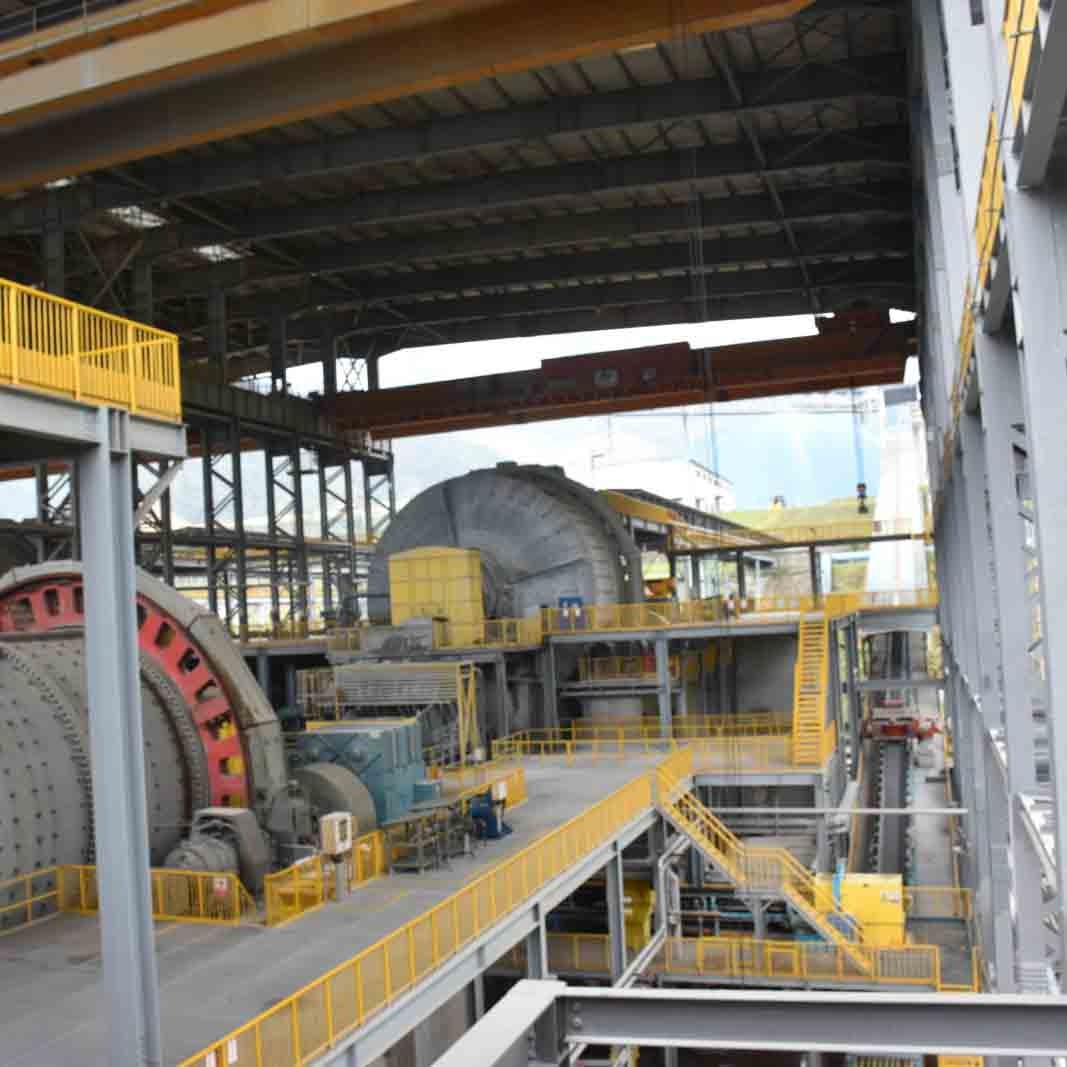
With more than 100 legal challenges filed against legislation sponsored by President Daniel Noboa, the Constitutional Court is bracing for new attacks from the government. Among the law suits the court will consider are claims against a law streamlining the process of awarding mining contracts and a law that restricts the way provincial and city governments can allocate their budgets.
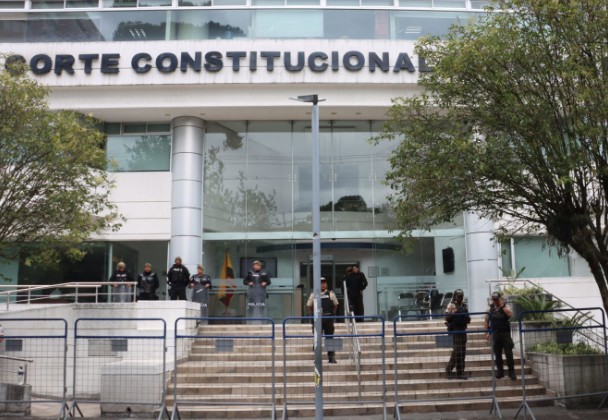
Ecuador’s Constitutional Court in Quito.
Last week, the comptroller’s office said that two Constitutional Court judges were under investigation for not listing the sources of personal assets. The judges responded that they had in fact provided the information and would do it again if necessary. The full court responded, claiming the comptroller’s charges were an attempt to undermine the court’s credibility and intimidate judges ahead of its deliberations on challenges to the new laws.
The court issued a statement asking the government to respect the separation of government powers outlined in the constitution.
The confrontation between the Noboa government and the court began in August 2025, when the court gutted two laws that would have expanded government powers and reduced some human rights for the purpose of strengthening law enforcement powers. The court ruled key provisions of those laws violated the constitution.
Following the court rejection, Noboa organized a protest march against the court, claiming that its rulings were an overreach of its authority and ignored the public will. In addition, the government issued an eviction notice to the court, giving it 30 days to vacate the Constitutional Court building. The order was cancelled, however, two weeks later.
Noboa was further angered when the court rejected a proposed referendum question what would have allowed Constitutional Court judges to be subject to impeachment by the National Assembly. Although the judges allowed seven of the president’s questions to be included in the referendum, all his questions were overwhelmingly rejected by voters in November.
Challengers of the mining law claim it endangers the environment and reduces participation of indigenous communities in mining and oil extraction decisions. Local governments claim the law to mandate how they spend their funds is a “power grab” by the central government and violates constitutional guarantees of local government independence.
As with the 2025 decisions, National Assembly President Niels Olsen insists the court will “overstep its designated authority” if it rejects laws passed by the Assembly. “The Assembly was elected by the people and is representing the interests of the people,” he says. “It was an act of political arrogance that the court rejected President Noboa’s laws last year and it would be an act of arrogance if it interferes with the laws currently under review.”
Former Constitutional Court judge Carlos Méndez disputes claims by Noboa and Olsen and says the court’s priority is to uphold the constitution. “It must be pointed out that voters made it clear in November by a large majority that they do not want a new constitution and that they are satisfied with the current one,” he said. “It is fair to say that the people want this constitution upheld.”