















Noboa sends another 10,000 troops to the coast but will it stop the massacres?
Former military and police intelligence officials are skeptical of the effectiveness of sending additional military troops to three crime-plagued coastal provinces. “It will have a positive impact at the beginning, but I question the long-term benefit,” says former Army Intelligence chief Mario Pazmiño. “This was the case with the first deployments in 2024, when criminal activity was temporary reduced. In the next two years, however, the crime resumed at even higher levels, revealing the limitation of military action in law enforcement matters.”
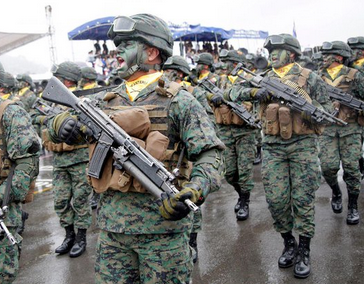
The government is dispatching 10,000 more troops to three coastal provinces but will be enough to reduce crime?
Pazmiño’s comments in a Saturday interview followed President Daniel Noboa’s Thursday announcement that he was sending an additional 10,000 military personnel to Guayas, Los Ríos and Manabí Provinces to fight criminal gangs and drug trafficking.
Carlos Salazar, former Guayaquil National Police commander, agrees with Pazmiño. “I am afraid it’s the same strategy that was employed two years ago. It makes headlines and I understand the government wants to show the public that it is confronting crime,” he says. “The public is obviously alarmed by the mass murders that are happening with great frequency. On the other hand, we need more of the quiet, behind-the-scenes work like surveillance and intelligence gathering to accompany the deployments if we expect to see real results.”
Both Pazmiño and Salazar say social problems in coastal communities, especially in the Guayaquil slums, must be confronted by the government. “Why are hundreds, probably thousands of young men joining the gangs and becoming criminals?” Salazar asks. “Why are they dropping out of school? In addition to the law enforcement response, these issues must be addressed and I see very limited emphasis on this from Quito.”
In the coming weeks, Pazmiño believes some drug trafficking activity will relocate to new areas outside of Guayas, Manabí and Los Ríos Provinces. “The criminals will adjust to the army presence,” he says. “At the same time, many of the drug traffickers will simply lay low to see where the armed forces are positioned and then make adjustments to their transport routes. This is what happened when Noboa imposed the first emergencies in 2024 and when the first troops moved into the communities.”
He adds: “Unfortunately, as we have seen before, the traffickers will bribe military personnel to learn in advance about operations. Corruption within the military and police ranks is a massive problem that the government doesn’t like to talk about.”
Among Pazmiño’s recommendations is for improved coordination between U.S. law enforcement and military advisors to strengthen intelligence operations. “They have the technology, the overflights, the high-tech boats and other resources to monitor the drug routes from Colombia and to listen to the conversations of the traffickers. European Union intelligence officers have recently arrived in Guayaquil and can be part of a coordinated effort.”
The problem, Pazmiño says, is that Ecuador and the U.S. missions operate independently, partly because of the U.S. concern for corruption within Ecuadorian security forces. “This concern must be addressed and overcome to improve the overall response,” he says.



Hogar Esperanza News

Dani News

Anubis Restaurant News

Property Amazon News

The Cuenca Dispatch

Week of January 11

Cuenca hospital staff warn lives are at risk as medicine shortages deepen inside the region’s main public hospital.
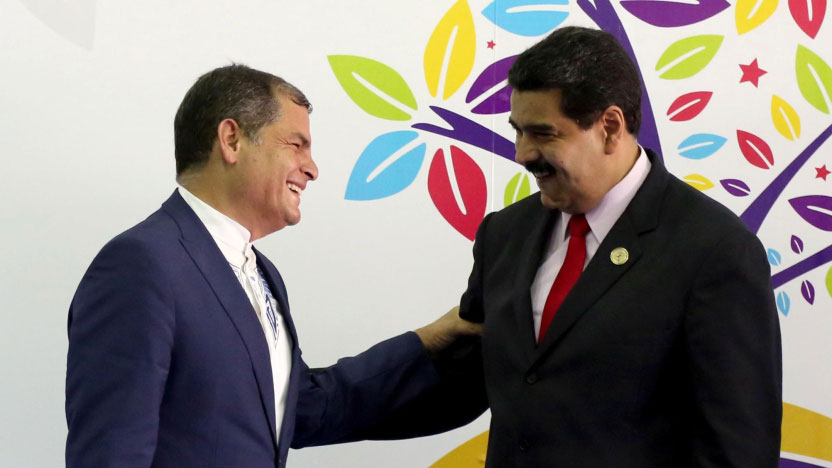
Caracas upheaval threatens to sever Correísmo’s last powerful lifeline in a rapidly shifting Latin American left.
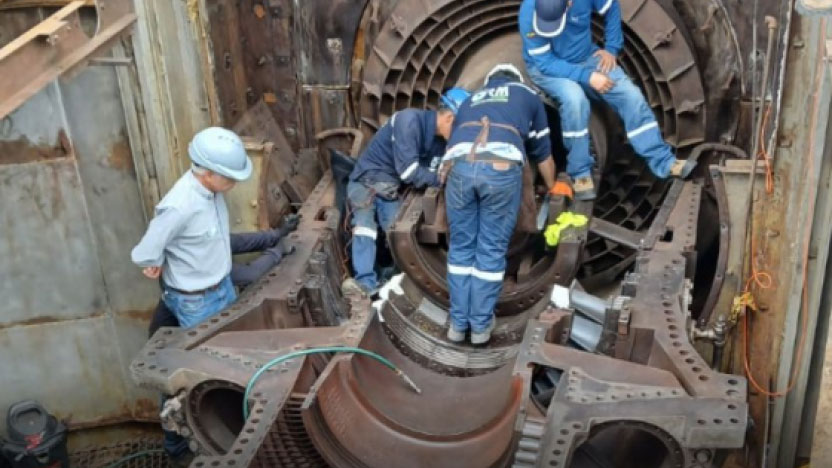
Mazar drops as government leans on thermal power to calm blackout fears during Ecuador’s dry season.
Fabianos Pizzeria News

Fund Grace News
