




















Some tips on better nutrition for older adults
By Mark A. Mahoney, Ph.D., R.D.N.
As we draw nearer to the end of National Nutrition Month consider some of the following ways to help improve our nutritional intake as we age.
Healthy eating is recommended throughout life, but as we age certain factors can affect our nutrient needs. Choosing a variety of foods from all the food groups (vegetables, fruits, grains, dairy, and protein foods) will help you build a healthy eating routine.
Make half your plate fruits and vegetables.
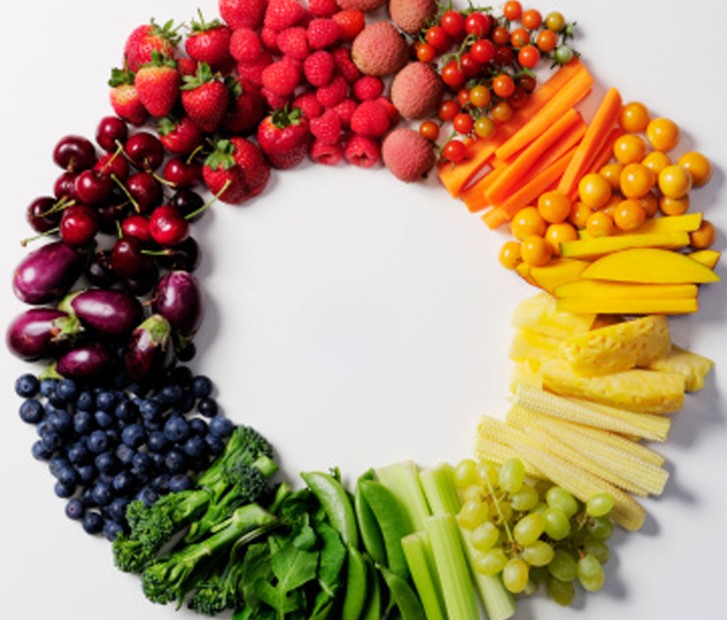
Eat a variety of different colored vegetables, including ones that are dark-green, red, and orange. Beans, peas, and lentils are also good choices. Fresh, frozen, and canned vegetables can all be healthful options. Look for “reduced sodium” or “no-salt-added” on the labels. Add fruit to meals, snacks or as dessert. Choose fruits that are dried, frozen, or canned in water or 100% juice, as well as fresh fruits
 Make at least half your grains whole.
Choose breads, cereals, crackers, and noodles made with 100% whole grains. Whole grain corn tortillas, brown rice, bulgur, millet, amaranth and oats all count as whole grains, too. Also, look for fiber-rich cereals to help stay regular and cereals that are fortified with vitamin B12, which is a nutrient that decreases in absorption as we age or due to some medications
Switch to fat-free or low-fat milk, yogurt and cheese
Older adults need more calcium and vitamin D to help keep bones healthy. Include three servings of fat-free or low-fat milk, yogurt or cheese each day. If you are lactose intolerant, try lactose-free milk or a calcium-fortified soy beverage.
Vary your protein choices.
Eat a variety of foods from the protein food group each week. In addition to lean meat, poultry and eggs choose seafood, nuts, beans, peas, and lentils when planning your meals. Spread your protein intake throughout the day by including a source with meals and snacks. Protein foods derived from animal sources also provide vitamin B12, and certain plant-based foods may be fortified. If you’re at risk for low levels of vitamin B12, your doctor may also recommend a supplement
Limit sodium, saturated fat and added sugars.
Look out for salt, or sodium, in foods you eat. Compare sodium in the foods you buy and choose those with lower amounts. Add spices or herbs to season food without adding salt. Switch from solid fats to oils when preparing foods. Make major sources of saturated fats occasional choices, not everyday foods. Examples of these include desserts, fried foods, pizza, and processed meats like sausages and hot dogs. Select fruit for dessert more often in place of treats with added sugars
Stay well-hydrated
Drink plenty of water throughout the day to help prevent dehydration and promote good digestion. Other beverages that can help meet fluid needs include unsweetened beverages, like low-fat and fat-free milk, fortified soy beverages, and 100-percent fruit juices. Choose these more often in place of sugary drinks
Enjoy your food but be mindful of portion sizes.
Most older adults need fewer calories than in younger years. Read and become knowledgeable on serving sizes and other information on the Nutrition Fact Labels on products you purchase. Avoid oversized portions. Try using smaller plates, bowls and glasses
Cook more often at home, where you are in control of what’s in your food.
When ordering out, look for dishes that include vegetables, fruits and whole grains, along with a lean protein food. When portions are large, share a meal or save half for later
Consider consulting a Registered Dietitian/Nutritionist (RDN) if you have special dietary needs or would like assistance with other dietary concerns. In addition, websites are also available to provide science-based information as well as point out best practices in this area.
Note that the recently published Dietary Guidelines for Americans 2025-2030 has some divergence in terms of recommendations which were addressed in my January 27, 2006 column in the Tallahassee Democrat entitled, “How do the new dietary guidelines rank with the experts?”
Eating better may assist us in our overall health and lead to a better quality of life by fostering a healthier lifestyle.
Additional Resource Information
Check out this resource from the Cleveland Clinic on why eating well matters for aging adults at:
Nutrition for Older Adults: Why Eating Well Matters as You Age
Access this resource from the National Institute on Aging on healthy meal planning at:
Healthy Meal Planning: Tips for Older Adults | National Institute on Aging
________________
Mark A. Mahoney, Ph.D., R.D.N. served as a Peace Corps Volunteer in Ecuador in the mid-1970s. He has been a Registered Dietitian/Nutritionist for over 40 years completed graduate studies in Nutrition & Public Health at Columbia University and earned a Ph.D. in International/Intercultural Development Education at Florida State University. He can be reached at marqos69@hotmail.com.