














The café divide in Cuenca: Newcomers, old timers, and the tables between them
Spend enough time in cafés around Cuenca and a quiet pattern starts to appear.
It does not announce itself or come with rules or signs. Instead, it unfolds through habit, comfort, and time.
This is what many expats slowly recognize as the café divide in Cuenca.
At first, it feels harmless. People choose tables, conversations begin, and coffee arrives. Over weeks and months, however, the same groupings return again and again, often without anyone planning it that way.
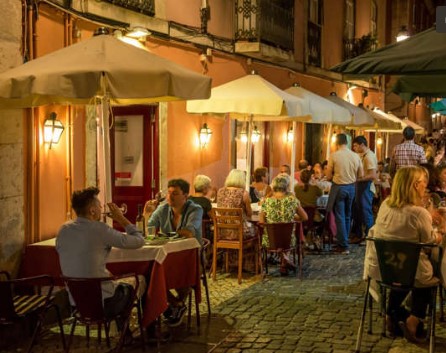
How the Café Divide in Cuenca Begins
For newcomers, cafés are often the first place where life in Cuenca feels manageable.
They offer Wi-Fi, familiar food, and a shared language. Conversations flow easily and usually circle around visas, rentals, neighborhoods, and small daily victories. There is energy at these tables, along with a sense of relief.
Everything still feels new.
Across the room, a different rhythm takes shape.
Long-timers arrive without checking the menu. Staff are greeted by name. These visits last longer, and the conversations sound different. Topics shift toward changes over time, frustrations that never fully disappear, and routines that now feel fixed.
Neither group is wrong. Each is responding to where they are.
The café divide in Cuenca begins not from exclusion, but from comfort.
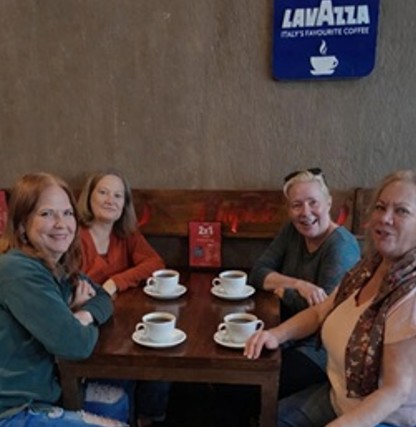 Why Newcomers Sit Together
New arrivals naturally gravitate toward people who share the same questions.
They are comparing notes and looking for reassurance. Many want confirmation that they are not missing something important. Sitting together provides a sense of orientation in a place that still feels unfamiliar.
There is also momentum at these tables. Plans are made. Ideas are shared. Life still feels adjustable.
That energy matters early on because it creates emotional footing.
Over time, though, something else becomes noticeable. Conversations begin to repeat. The same concerns surface again. Progress feels slower than expected.
This is often when people first become aware of the café divide in Cuenca.
Why Long Timers Stay Where They Are
For long-timers, cafés serve a different purpose.
These tables offer continuity. Explanations are no longer required. Stories do not need background. Complaints are understood without being defended.
 Comfort plays a role here as well.
Some long-timers enjoy mentoring newcomers, while others grow tired of repeating the same advice. A few retreat into smaller circles where shared history does the work.
What can look like detachment is often fatigue.
Many of these people have already crossed bridges newcomers are just approaching.
The Tables Between Them
Between these two groups sit the least discussed tables.
Sometimes they are empty. Other times they are occupied by people who seem comfortable drifting between conversations. These individuals tend to listen more than they speak.
They remember what arrival feels like, yet they also understand why patience thins over time. Instead of rushing to define themselves, they allow space for change.
People who settle into these in-between tables often share one trait. They are willing to stay uncomfortable a little longer than most.
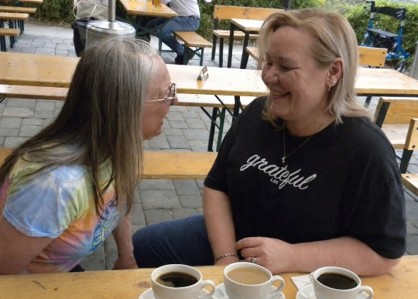 Relationships develop slowly here. Labels matter less. Movement feels possible.
This middle ground reveals the most about belonging.
What the Café Divide in Cuenca Reveals About Belonging
The café divide in Cuenca is not really about cafés.
It reflects how people respond to transition.
Some seek energy. Others seek stability. Both reactions are natural. Problems tend to appear only when one table is mistaken for the whole room.
For some, curiosity never fades, even after years, while others settle more quickly. The difference is rarely time. It is orientation.
Newcomers may assume long-timers are cynical. Long-timers may assume newcomers are naive. Neither view captures the full story.
Each group is carrying a different version of the same experience.
When Familiarity Becomes Separation
At some point, the city stops feeling temporary.
 Routines settle in. Social circles narrow. Life becomes quieter.
For some, that quiet feels grounding. For others, it feels limiting.
This is when the café divide in Cuenca becomes more visible. People notice they see the same faces, hear the same conversations, and revisit the same frustrations.
The city did not shrink. Perspective did.
That realization is not negative. It is useful.
Awareness Without Judgment
Noticing the café divide in Cuenca does not require choosing sides.
Awareness is enough.
Which tables feel safe right now. Which conversations feel familiar. Which voices remain outside your view.
Cafés offer an unusual gift. They allow quiet self-observation without pressure. They reflect where you are in your transition, not where you expected to be.
Sometimes that awareness leads to movement. Sometimes it leads to acceptance. Often, it leads to both.
What matters most is noticing.
These patterns are not unique to Cuenca. Similar dynamics show up wherever people relocate, retire, or reset their lives. For readers interested in a broader, place-agnostic reflection on how belonging forms after major life changes, I explored that perspective here.