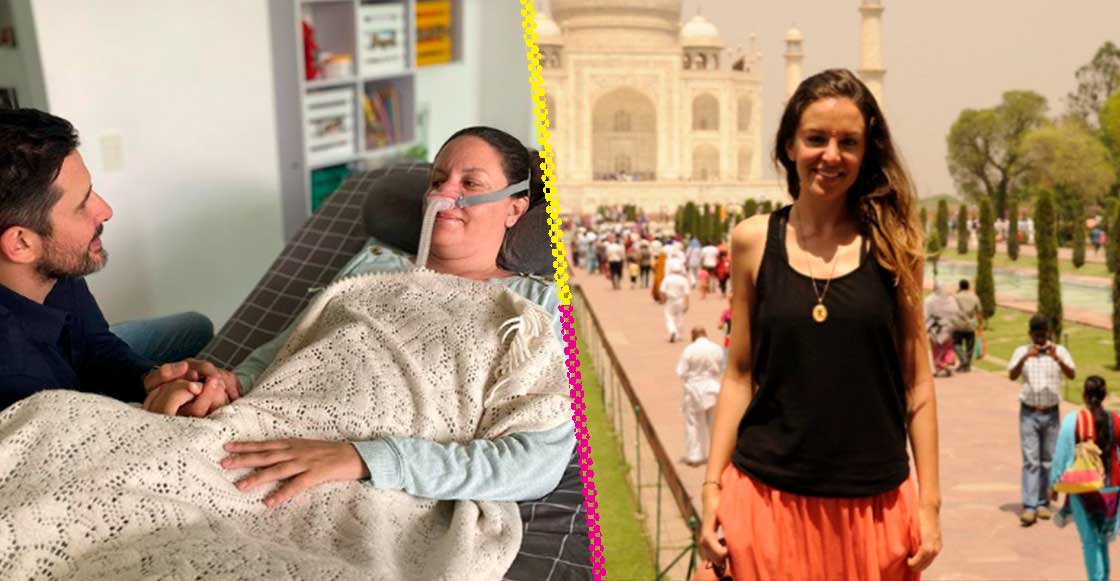

















The day you stop showing up: When expat life in Cuenca shifts without announcement
It rarely looks dramatic.
There is no farewell message. No public explanation. No final gathering.
One day, someone simply stops showing up.
They are still in Cuenca. You may see them at the market, on a side street, or passing through a familiar neighborhood. But they are no longer at the café table where you used to see them. They no longer appear at the events that once felt routine.
 Across age groups, this moment is more common than we admit.
The Change That Looks the Same at Every Age
From the outside, absence often looks like withdrawal. From the inside, it usually feels like adjustment.
What changes is not interest in community, but capacity.
For some, the shift arrives later in life through health changes, caregiving, or reduced energy. For others, it comes much earlier, through work pressure, family responsibilities, financial stress, or mental health strain.
Different ages. Same pattern.
People stop showing up not because they no longer care, but because life has quietly changed.
 Younger Expats and the Invisible Shift
For expats with families, absence often comes in waves.
A child needs more attention. School routines tighten. Health or learning concerns emerge. Caregiving begins earlier than expected.
Families do not leave the city. They leave certain rhythms.
Weeknight gatherings become impractical. Large social events feel draining. Connection shifts to parks, school communities, and smaller circles that rarely intersect with traditional expat spaces.
From the outside, they vanish. From the inside, life becomes fuller and narrower at the same time.
Mid-Life Expats and the Compression Effect
For many in their forties and fifties, the shift is neither dramatic nor clearly defined.
 Career responsibilities peak. Parents age. Children launch or struggle. Health issues appear without warning.
Time compresses. Energy fragments. People become more selective, not less social.
This group often disappears quietly because they are managing multiple demands at once. Explaining all of it feels unnecessary or exhausting, so they simply adapt.
Later-Life Shifts and Caregiving Realities
For older expats, the reasons are often more visible, though rarely discussed openly.
Health changes arrive. A partner’s capacity shifts. Caregiving becomes central.
Social life does not end. It reorganizes.
Smaller gatherings feel safer. Predictable routines matter more. Evenings shorten. Absence from former tables is not ideological. It is practical.
Why These Changes Are Rarely Explained
Across all ages, the silence is consistent.
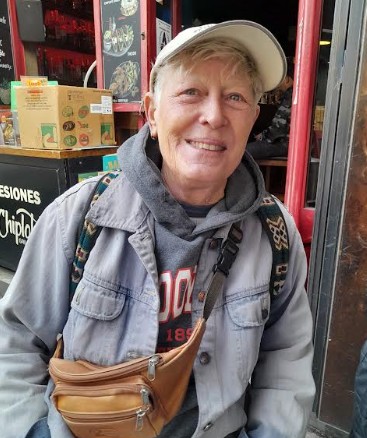 Explaining absence feels like oversharing. Talking about limits feels uncomfortable. People fear being misunderstood.
So instead of explaining, they change behavior.
They stop showing up where they once did. They start showing up elsewhere.
The Risk of Misreading Absence
When someone disappears socially, assumptions fill the gap.
They lost interest. They became political. They are fearful. They changed values.
Sometimes those explanations fit. Often, they don’t.
More often, what changed was capacity, not commitment.
Still Here, Just Somewhere Else
One of the most important things to notice in long-term expat communities is this:
People rarely leave all at once. They leave in pieces.
 They keep the city. They release certain tables.
They change times. They change spaces. They change how visible they are.
This happens at every age, for different reasons, but with the same quiet effect.
A related reflection, Quiet Life Transitions: When You Stop Showing Up Without Announcement, looks at how these changes unfold across different stages of life, not just in one place or community.
A Different Way to Read the Room
Cuenca continues to be a place where many people choose to stay. What changes is not attachment to the city, but how people move through it as life evolves.
Community does not weaken when people stop showing up in the same places.
It diversifies.
Closing thought
The day someone stops showing up is rarely about rejection, ideology, or disengagement.
More often, it is about life changing faster than social expectations can keep up.
Noticing that difference, across all ages and stages, may be one of the most generous ways an expat community can remain a community at all.