














The quiet moment when living abroad stops being the story
For a while, living abroad explains everything.
It explains why daily routines feel unfamiliar. It explains why small successes feel meaningful. It explains why so much attention goes into ordinary things like grocery shopping, transportation, language, and finding the places that start to feel like your own. In the early years, the fact of living in another country shapes nearly every part of the experience.
Then, little by little, that changes.
The city becomes familiar. The rhythms become easier. The routines that once took effort begin to happen almost without thought.
And one day, often without much warning, living abroad stops feeling like the story.
It just feels like life.
 At First, Everything Is About Adjustment
Most expats arrive with a heightened sense of awareness.
They notice the architecture. The pace of conversation. The food. The weather. The way errands take longer than expected. Even a simple outing can feel like part of a larger learning process.
That intensity serves a purpose.
It helps people adapt.
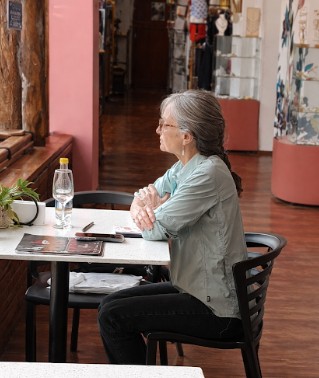
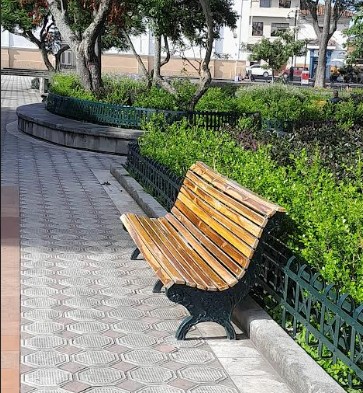
In a city like Cuenca, newcomers often build their lives through repetition. They return to the same café, the same walking route, the same restaurant patio, the same park bench, the same market stall, the same happy hour table. Over time, those repeated choices create a pattern that makes the unfamiliar more manageable.
At first, those routines are closely tied to the fact of being abroad.
They are part of the transition story.
Then the New Life Starts Feeling Normal
Over time, the sharp edges soften.
The city stops demanding so much attention. What once felt foreign begins to feel expected. People stop narrating each difference to themselves. They stop measuring daily life against where they came from. They simply move through the day.
That shift is easy to miss because nothing dramatic happens.
There is no ceremony for it.
No one wakes up and announces that they are no longer in adjustment mode.
But the change is real.
The practical work of building a life has largely been done.
When the Expat Identity Quietly Loses Its Center
For some people, this stage feels like peace.
 They no longer need every day to feel meaningful in a special way. They are content to have reached ordinary life again, just in a different place.
For others, the change feels harder to name.
If living abroad was once the central organizing idea, what happens when it no longer carries the same weight?
That question can sit in the background for quite a while.
A person may still enjoy the city, still appreciate the choice they made, and still have no desire to leave. Yet something has shifted. The move abroad no longer explains who they are becoming.
It explains where they live.
That is not the same thing.
Sometimes Life Changes the Story for You
For some expats, this transition unfolds gradually through routine and reflection. For others, it is shaped by realities that feel less chosen.
A health change may make a once-comfortable neighborhood harder to navigate. A family issue back home may shift how distance feels. An aging parent, a grandchild, or a medical concern can quickly turn a settled life into a series of new questions.
In that sense, living abroad does not stop being the story for everyone in the same way.
Sometimes the story changes because life asks it to.
Ordinary Life Can Feel More Exposing Than Adventure
During the early phase of relocation, novelty provides momentum.
 There are new discoveries, new frustrations, new adjustments, and constant evidence that life has changed. That can create a strong sense of forward movement even when things are difficult.
Ordinary life offers less of that.
When the novelty fades, people are left more directly with themselves.
Their routines may still work. Their location may still suit them. But the question becomes more personal. If daily life is stable now, what is this stage of life actually for?
That question does not belong only to expats, of course.
But living abroad can delay it for a while by giving people a clear story to live inside.
Once that story quiets down, deeper questions often begin to surface.
This Is Often Where a Second Reinvention Begins
For many long-term expats, this is the stage where something new begins.
Some start writing, consulting, volunteering, painting, teaching, or building community in ways they did not before. Others begin traveling more again, not because they are unsettled, but because the first chapter of relocation has ended and another chapter wants to begin.
The form varies.
The pattern does not.
Once living abroad stops being the main story, people often start looking for the next one.
Not a dramatic reinvention. Not necessarily a major life decision.
Just a new center of meaning.
The City Has Not Failed You
This is one of the quieter misunderstandings long-term expats can face.
When a place no longer feels emotionally central, it is easy to wonder whether something has gone wrong. Maybe the city has changed. Maybe the decision was overestimated. Maybe the magic has worn off.
Sometimes those things are true.
Often they are not.
Sometimes a city has simply done its job. It helped create stability. It gave structure to a new phase of life. It became normal enough that it no longer needed to carry the emotional weight it once did.
That is not failure.
It may actually be success.
When Living Abroad Becomes the Background Instead of the Plot
At a certain point, many expats stop thinking of themselves primarily as people who moved abroad.
They become people who live their lives, in all their ordinary and complicated ways, in the place they chose.
That may sound like a small distinction.
It is not.
It marks the quiet moment when relocation becomes background instead of plot. And for many people, that is when the deeper work of this stage of life finally begins.
Because once living abroad stops being the story, a more personal question begins to take its place.
What comes next?
For many long-term expats, this stage opens deeper questions about identity, purpose, health, family, and what comes after the adjustment years. I explore that broader pattern in this Next Cradle companion article, When Living Abroad Stops Being the Story.