















To reduce wait time for appointments, IESS restricts doctor visits to 10 and 20 minutes
The Social Security health care system announced Tuesday that consultations with doctors will be limited to 10 and 20 minutes, depending on medical circumstances. IESS management says the change will allow doctors to see more patients and reduce wait times for appointments.

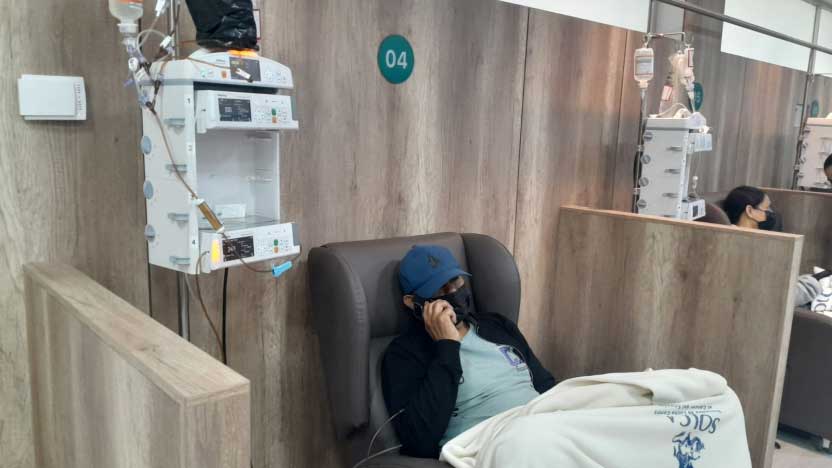
José Carrasco Arteaga Hospital in Cuenca.
Ten minutes will be allotted for “general consultations and quick check-ups,” according to the new rules while visits with medical specialists will be limited to 20 minutes. According to an IESS statement, the limits are similar to those in other South American countries as well as in Europe and the U.S. “In the U.S. Medicare system, for example, patients rarely have direct interaction with physicians of more than five minutes,” the statement says.
The new policy is drawing criticism from some IESS doctors as well as national and local medical associations.
José María Egas, coordinator of the Azuay Health Observatory, says the reduction of consultation times is “another indication of collapse” of the system. “The Social Security health system is in deteriorating condition and desperately needs additional funding to pay medical professionals and to repair and upgrade facilities,” he says.
He added: “Reducing appointment times may reduce the time required to see a doctor but it also reduces the quality of care patients receive. Under the new limits, it will be more difficult for doctors to properly evaluate patients and prescribe the correct remedies.”
An IESS internal medicine physician who asked not to be identified said shorter consultations have been in place for several months at Cuenca’s José Carrasco Arteaga Hospital and local IESS clinics. “A 10-minute visit is sufficient for checking medical tests and prescribing medication, but it is often not sufficient when a patient is complaining of multiple symptoms,” he said.
Egas says the problems at IESS are systemic and cannot be fixed by “tinkering” with visitation schedules. “What Quito refuses to admit is that the system requires a massive infusion of money to return it to the efficiency of 10 or 15 years ago,” he says. “One remedy is for the government to pay the billions of dollars it owes IESS, which will allow doctors to provide good quality care to the members.”