


















Unwritten rules Cuenca expats learn the hard way
You don’t notice these rules at first. Most people don’t even realize they exist.
Life feels easy enough. The cafés are welcoming. The routines settle in. The city seems open.
Then something small happens. A reaction you didn’t expect. A distance you can’t quite explain.
Over time, it becomes clear. Living here comes with unwritten rules. No one explains them, but you feel them.
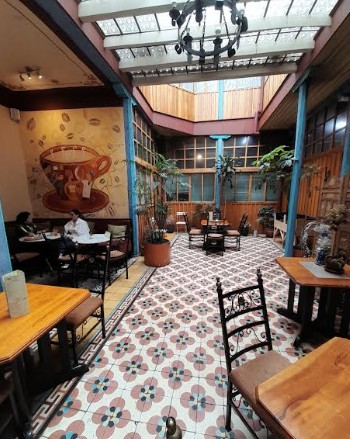 This reflection builds on a related perspective explored in CuencaHighLife, where the focus is on how these unwritten rules first begin to appear in everyday life.
Why do expats struggle with unwritten rules in Cuenca?
Expats struggle because the rules are social, not visible, and they only appear through experience.
Nothing is posted. Nothing is enforced directly. But expectations exist.
In the beginning, most people move through Cuenca as if it works like home. Service feels familiar. Interactions feel easy. The environment feels flexible.
That assumption holds, until it doesn’t.
 The shift is subtle. A shorter response. Less engagement. A sense that something is slightly off.
Not rejection. Just distance.
What happens in cafés that most expats misunderstand?
Cafés are social and economic spaces, not extensions of personal routine.
Many expats build their daily rhythm around cafés. Same table. Same order. Same time of day.
At first, it feels grounding. Familiar. Even welcoming.
But cafés in Cuenca operate on a different balance. Tables turn. Space matters. Staff notice patterns.
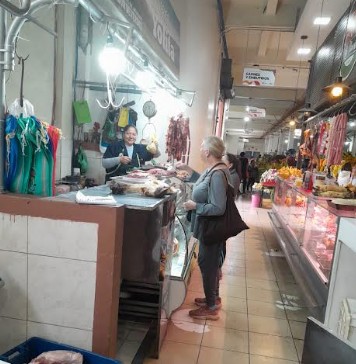 Sitting for long periods with minimal ordering may not create conflict. It creates quiet awareness.
No one says anything. But over time, the energy changes.
Why does language create distance even when people are friendly?
Language shapes depth, not just communication.
It’s possible to live comfortably in Cuenca with limited Spanish.
Daily tasks can be managed. Basic conversations happen. People are polite.
But relationships form differently.
Without language, conversations stay surface-level. Humor, nuance, and shared context remain out of reach.
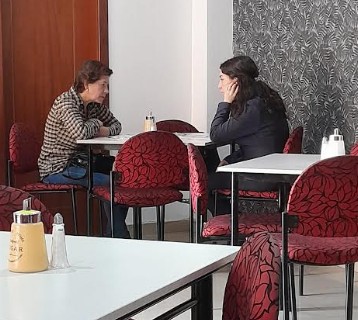 That gap is not hostile. It is structural.
Over time, many expats notice the same pattern. Friendly interactions that never deepen.
Why do social connections remain polite but distant?
Social distance is often maintained by design, not by accident.
Expats often expect friendships to form through repetition. Seeing the same faces. Sharing the same spaces.
That works in some cultures. Less so here.
Locals already have established networks. Family, long-term friendships, shared history.
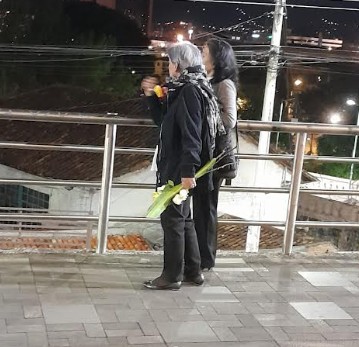 Politeness is extended easily. Access is not.
This is not exclusion. It is continuity.
When do familiar habits stop working for expats?
Habits stop working when they replace awareness instead of supporting it.
Routines help at the beginning. They reduce friction. They create stability.
But over time, those same routines can limit exposure.
Same cafés. Same routes. Same conversations.
What once helped you settle in can quietly keep you separate.
Nothing feels wrong. But something feels incomplete.
What changes once you begin to see the unwritten rules?
Awareness changes behavior without forcing it.
 You begin to notice timing. Space. Energy.
You adjust without overthinking.
Maybe you rotate cafés. Stay shorter. Engage differently.
Maybe you attempt more Spanish. Even imperfectly.
Maybe you observe more before assuming.
The city does not change. Your relationship to it does.
Conclusion: The unwritten rules expats learn the hard way in Cuenca
The unwritten rules expats learn the hard way in Cuenca are not barriers. They are signals.
They do not prevent connection. They define how connection happens.
Most people only see them after something feels off.
A few begin to see them earlier.