
















Violence forces many Ecuadorians to relocate within the country; Quito and Cuenca are top destinations
In a rapidly developing trend, Ecuadorians are relocating from one area of the country to another. Their main reason? To escape violence.
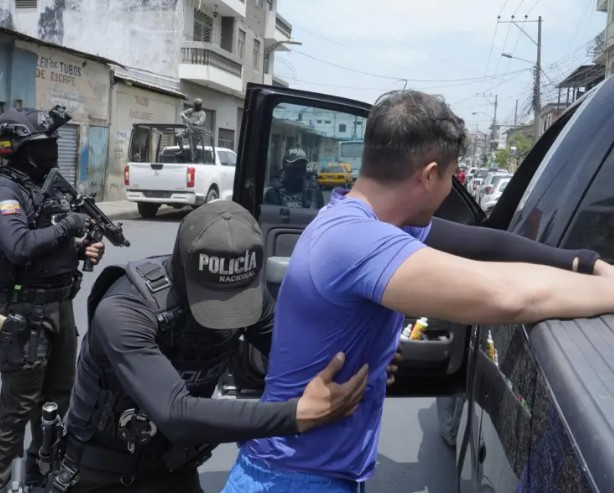
Thousands of Ecuadorians are moving out of high-crime areas, seeking refuge in safer parts of the country.
According to a new international migration study, as many 740,000 Ecuadorians could relocate within two to three years, most of them seeking refuge from crime. Another study estimates that as many as 180,000 have already moved since mid-2024, mostly from coastal provinces to the sierra and intermountain valley.
“We are accustomed to Ecuadorians moving out of the country, especially to the U.S. and Europe, but the high level of internal migration is new,” says sociologist and university professor Carlos Ramón. “We are also accustomed to the movement of young people from rural to urban areas, but this is a slow process that has been happening for decades. What is new is the relocation of entire families from the coastal region to the mountains.”
Ramón adds: “The reason for this movement is obvious — they want to get away from the gang violence and the extortion.”
A recent study by Ecuador’s Ombudsman’s Office and the United Nations Refugee Agency (UNHCR) estimates that 83,000 Ecuadorians have moved since the beginning of 2025 but concedes the number could be far higher. The majority of those relocating are leaving Esmeraldas, Guayas, Manabí, Los Ríos and El Oro Provinces. Their primary destinations are Pichincha and Azuay Provinces, although Loja, Cotopaxi and Imbabura are also attracting internal migrants.
Real estate sales records in Quito and Cuenca show a sharp rise in property sales since early 2024, an indication of the rising relocations. A real estate agent in Cuenca reported Monday that all units of a new project on Av. Solano were sold in less than two weeks following its advertisement.
In its report, UNHCR said that a “recurring theme” among those it interviewed was the desire of parents to remove children from high crime areas and gang influence. “The parents told us they feared that their children, especially boys, would be recruited by criminal gangs. In many cases, they told us it was a ‘life or death’ decision to leave their communities due to the high murder rates.”
According to Ramón, Ecuador’s internal migration is similar to what has happened in Colombia. “Hundreds of thousands of Colombians have been forced to move because of the civil war and many continue to move as the violence there has transformed from a political struggle to a drug-related conflict.”
“The sad aspect of the migration is that Ecuadorians have traditionally had a strong attachment to their communities and today this attachment is breaking down,” Ramón says. “My concern is that the people who are leaving the high-crime areas are the ones needed to rebuild those neighborhoods once crime is reduced. They are motivated to find a better, safer life, one with more opportunities, and they leave for Cuenca and Quito. Many of those left behind have given up hope and are resigned to living within a criminal regime.”
According to a survey by the International Organization for Migration, 83% of those who have relocated moved because of violence and a lack of security in their communities while another 9% said lack of employment was their motivation.