













When expats start looking at other places
For many expats, there comes a quiet moment when curiosity begins to return. Not dissatisfaction. Not a plan to leave. Just a subtle shift where the mind starts wandering toward other cities, other landscapes, or other possibilities.
At first the feeling can be confusing. After all, life is working. The routines are comfortable. The cafés are familiar. The walking routes feel like home.
Yet something small begins to stir again.
The same curiosity that once led someone to move abroad in the first place slowly wakes up.
 Stability Was the Goal at First
When most expats arrive in a new country, stability becomes the first objective. Everything is unfamiliar at the beginning. Language, transportation, grocery stores, banking, and even daily rhythms require attention.
During that period, routines become essential.
People find the cafés where they feel comfortable. They discover the walking routes that help them orient themselves. They learn where to shop, where to sit in the park, and which places feel welcoming.
Over time those routines create something important.
They create a sense of belonging.
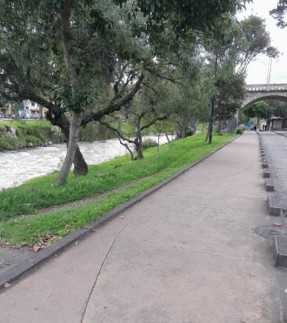 In a city like Cuenca, many expats eventually develop a rhythm around the same places. A favorite café near Parque Calderón. A morning walk along the Tomebamba. A familiar restaurant where the staff already knows the order.
These routines are not trivial. They are the structure that allows a new life to take shape.
When Routine Becomes Comfortable
After a few years, daily life begins to feel normal.
The city is no longer new. The streets feel familiar. Conversations become easier. Even small cultural differences stop feeling like obstacles.
At that stage many expats experience something subtle.
The energy that once went into adapting is no longer required.
The mind suddenly has more space.
For some people that space is filled with deeper connections to the place they now call home.
For others, something else appears.
Curiosity.
Curiosity Returns in Unexpected Ways
It often begins in small ways.
 Someone might read about another expat community in a different part of the country. A friend mentions life on the coast. A video appears about a town in Portugal or Mexico.
Nothing dramatic happens.
No one packs their bags.
But the imagination begins to explore again.
Some people start browsing travel articles. Others look at housing prices in places they have never visited. A few begin taking short exploratory trips just to see what other places feel like.
The key point is that this curiosity is not necessarily about leaving.
It is often simply about remembering that the world is still open.
The Original Spirit of Adventure
Many expats moved abroad because they were willing to step outside familiar patterns.
That willingness to explore rarely disappears. It simply goes quiet for a while during the years when people are building stability.
Once life becomes comfortable again, the same instinct can reappear.
Some expats travel more.
Some move to another neighborhood or another region.
Others stay exactly where they are but rediscover a sense of exploration through new activities, creative work, or community involvement.
The pattern is different for everyone.
But the underlying impulse is familiar.
A Sign That Life Has Settled
In many ways, this return of curiosity is not a problem.
 It is actually a sign that the adjustment period has passed.
When daily life no longer demands constant attention, people regain the mental space to imagine new possibilities.
That does not mean they will act on those possibilities.
Many never do.
They continue enjoying the life they have built, while occasionally wondering what other corners of the world might look like.
And sometimes that quiet wondering is enough.
Living Abroad Was Never Only About Geography
Many long term expats notice that curiosity about other places eventually returns. A deeper look at this pattern and why it happens can be found in this companion article on Next Cradle about why expat relocation curiosity often returns after a few years abroad.
Long-term expats often discover that living abroad is less about a specific city and more about a mindset.
The willingness to explore, adapt, and see the world differently becomes part of how they experience life.
Cities may change.
Countries may change.
But that perspective tends to stay.
Which may explain why, after a few comfortable years in one place, some expats occasionally find themselves looking at a map again.
Not because they are unhappy.
Simply because curiosity has returned.