
















When the tables don’t mix: Comfort, caution, and changing rhythms in Cuenca
After you start noticing the different tables in Cuenca, something else becomes harder to ignore.
It is not just that people gather at different cafés or at different hours. It is that those tables often reflect very different assumptions about risk, visibility, and comfort.
This is where the metaphor stops being social and starts being practical.
Different Tables, Different Thresholds
In conversations around town, one theme comes up quietly but consistently. People do not just separate by age. They separate by how they read the world.
Some expats are comfortable with predictability. They frequent the same places, sit at the same tables, and attend large gatherings where everyone knows everyone else. Familiarity feels safe.
Others operate with a lower tolerance for visibility. They rotate locations. They avoid routines. They keep gatherings small and timing flexible. Familiarity feels like exposure.
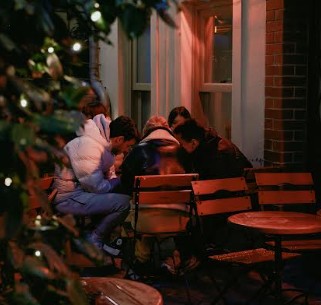 Neither group is wrong. They are responding to different internal thresholds.
Background Shapes Behavior
These differences often come from experience rather than opinion.
People with military, law enforcement, or high-risk professional backgrounds tend to view safety as something that is actively maintained, not assumed. Awareness, discretion, and adaptability are habits, not fears.
Others come from long stretches of stability where safety has been ambient rather than intentional. For them, the city still feels calm, familiar, and forgiving.
Both groups may agree that Cuenca remains one of the safest cities in Ecuador. They simply disagree on what that safety requires.
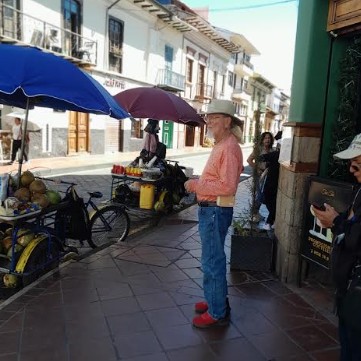 When Comfort Turns Into Complacency
Long periods of relative calm can quietly change behavior.
Large gatherings become routine. The same cafés become default. Patterns become visible without being noticed.
This is not recklessness. It is human nature.
But as conditions shift nationally and regionally, some expats begin adjusting long before others feel the need to. They go out at different times. They choose quieter venues. They decline invitations without explanation.
From the outside, it can look like withdrawal.
From the inside, it often feels like adaptation.
Why These Tables Rarely Talk About It
What makes this divide more pronounced is how rarely it is discussed openly.
 Conversations about safety can quickly slide into politics, fear, or accusation. Most people avoid that. Instead, they vote with their feet.
They stop attending. They change routines. They quietly disappear from familiar tables.
No announcement is made. No argument occurs. The table simply gets smaller.
One City, Multiple Realities
What complicates the picture is that all of this can happen in the same city, on the same street, without contradiction.
One group experiences Cuenca as relaxed and predictable. Another experiences it as stable but changing.
Both experiences can be true at the same time.
This is why conversations about safety often feel frustrating. People are not disagreeing about facts as much as they are speaking from different lived realities.
The Role of Rhythm Again
Timing plays a role here too.
Daytime feels different than evening. Small groups feel different than crowds. Familiar spaces feel different than rotating ones.
As rhythms change, so do comfort zones.
Some tables lean into visibility and social density. Others quietly thin out.
Neither announces its reasoning.
What This Means for Expat Life in Cuenca
The takeaway is not that one group is right and the other is wrong.
It is that expat life in Cuenca is becoming more stratified by awareness and risk tolerance, not just age or lifestyle.
This explains why people who once shared tables no longer do, even when relationships remain friendly.
They did not fall out. They adjusted differently.
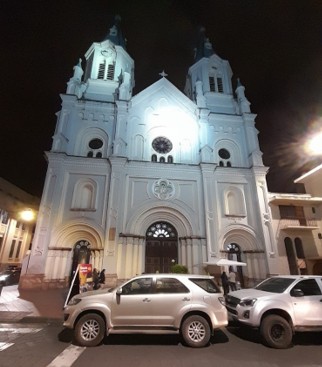 A Quiet Shift Worth Noticing
What many long-term residents are sensing is not a crisis, but a transition.
Cities change. Patterns adapt. Communities reconfigure.
Some people respond by tightening routines. Others respond by loosening them.
The tables do not mix because they are responding to different signals.
A related reflection on expat comfort and caution looks at how changing rhythms quietly shape where people feel at ease when living abroad.
Closing Thought
Cuenca is still a place where many people feel at home.
But feeling at home does not mean feeling the same way about how to live here.
As rhythms change, so do tables. Not because of conflict. But because comfort and caution no longer line up the way they once did.
And for many expats, that quiet divergence explains more than any headline ever could.
________________
Jim Smith is a consultant and head of a Resource Hub that Supports Seniors, Retirees, and Digital Nomads — especially those rethinking life and work due to political and economic instability. He is the past chairman of the Portland, Oregon Housing Authority. He lives in Cuenca.