















A story of Nebraska and the flag that represented it
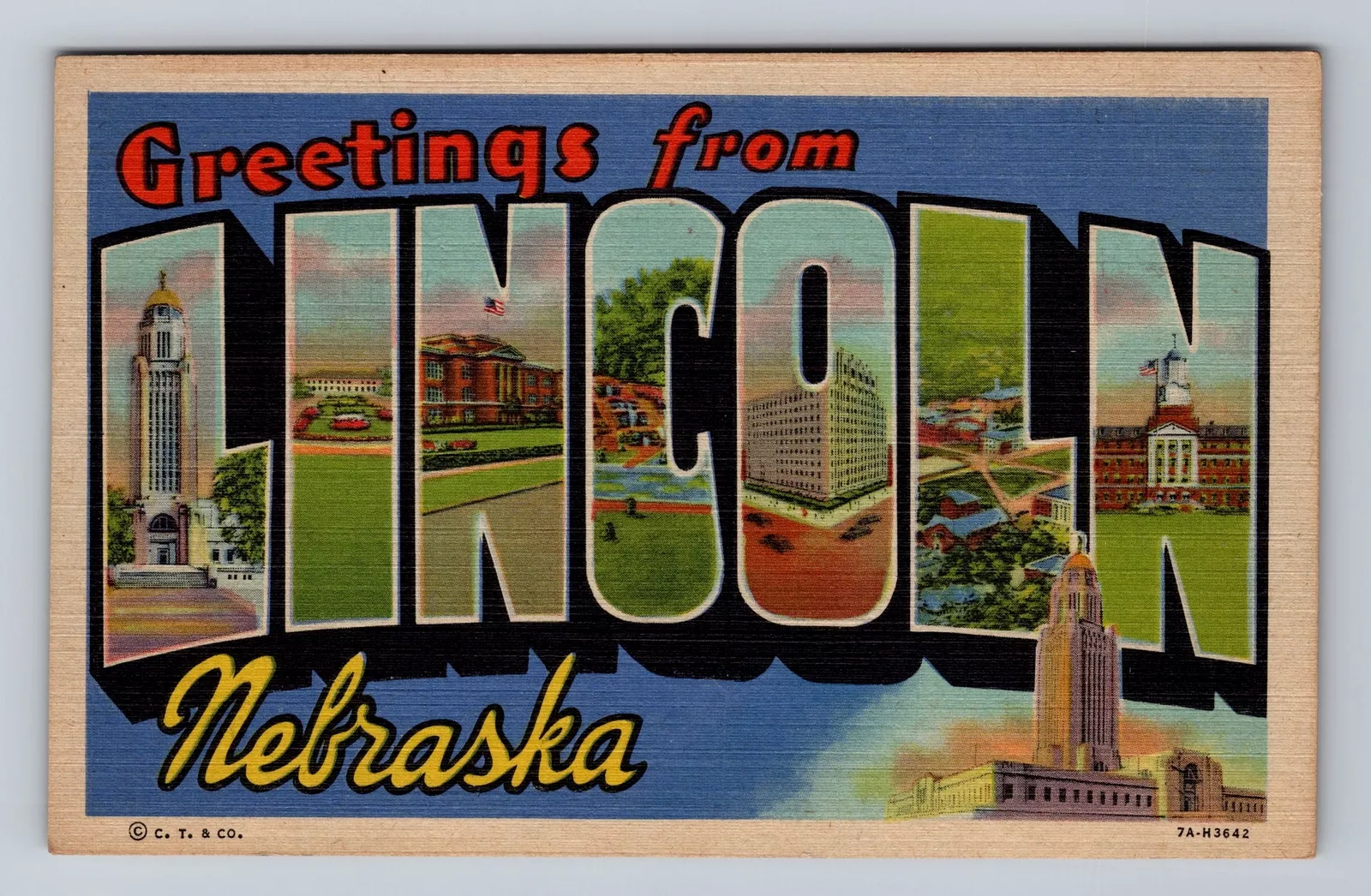
It was as clear as the lilt of a meadowlark. Relief from a series of brutal winter storms finally arrived, just in time to chase the  clouds away and celebrate the almost-spring and the long-sought dream of many. Today is March 1st. 1867, and it is today that Nebraska becomes the 37th state in the Union.

Winter is not an idle time for the settlers of Nebraska. There are always chores to attend to regardless of the weather. The hearty few — 28,000 pilgrims who call Nebraska home — set their shoulders against winter’s bone-chilling cold and summer’s withering heat day after day, month after month, and year after year, working towards uniting this raw land and its many wonders. They are stiff-necked people who take pride in their work and are quick to defend their land and families.
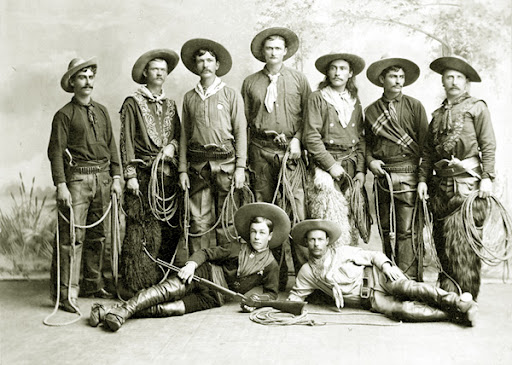
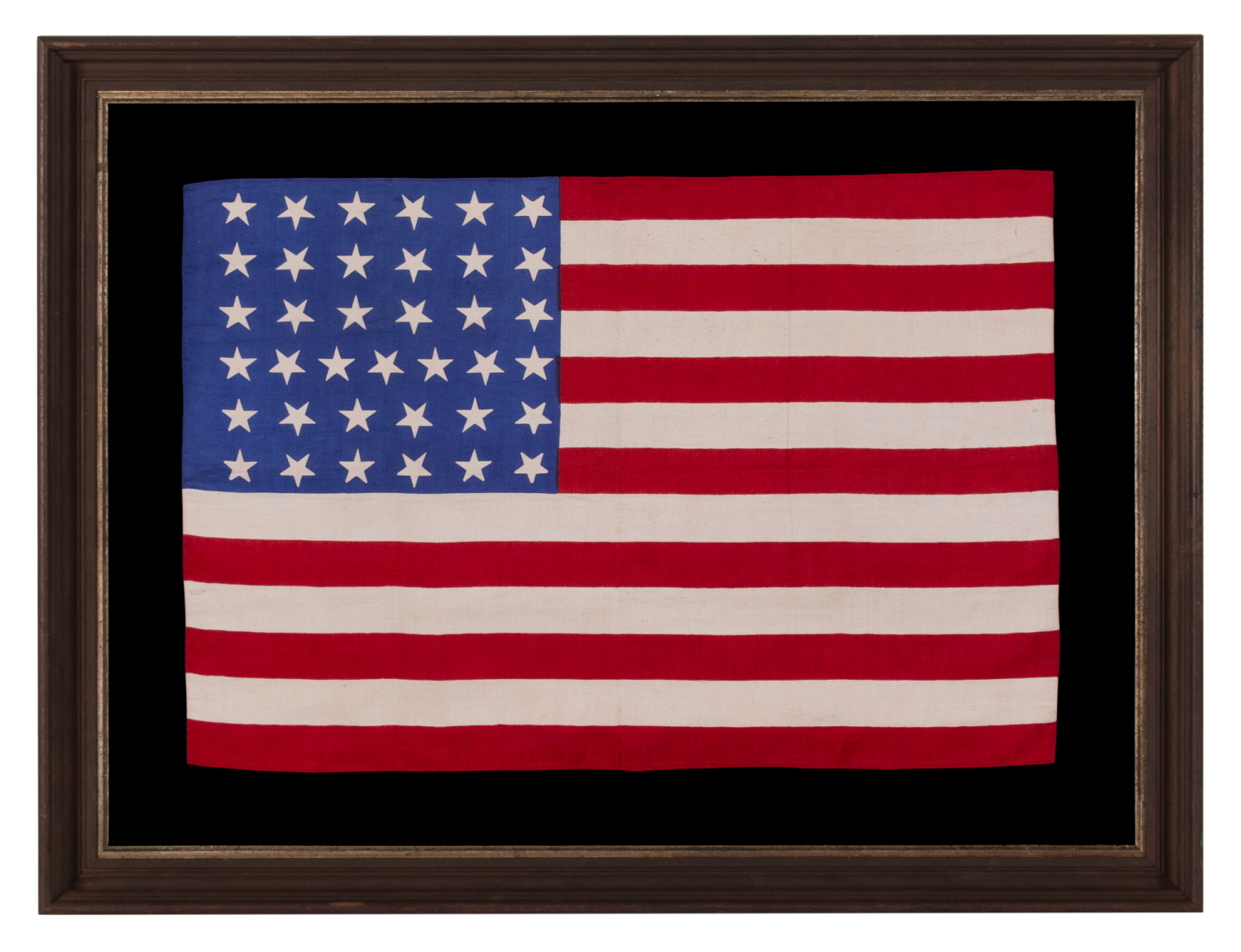
On this most special day, a congregation of women will proudly display their “winter’s work,” a labor of love stretching well into the many hundreds of hours. Today, they will display the hand-woven and hand-sewn 37-star flag that will serve with distinction as the symbol of inclusion in the great social experiment that is the United States of America.
And, what a state.
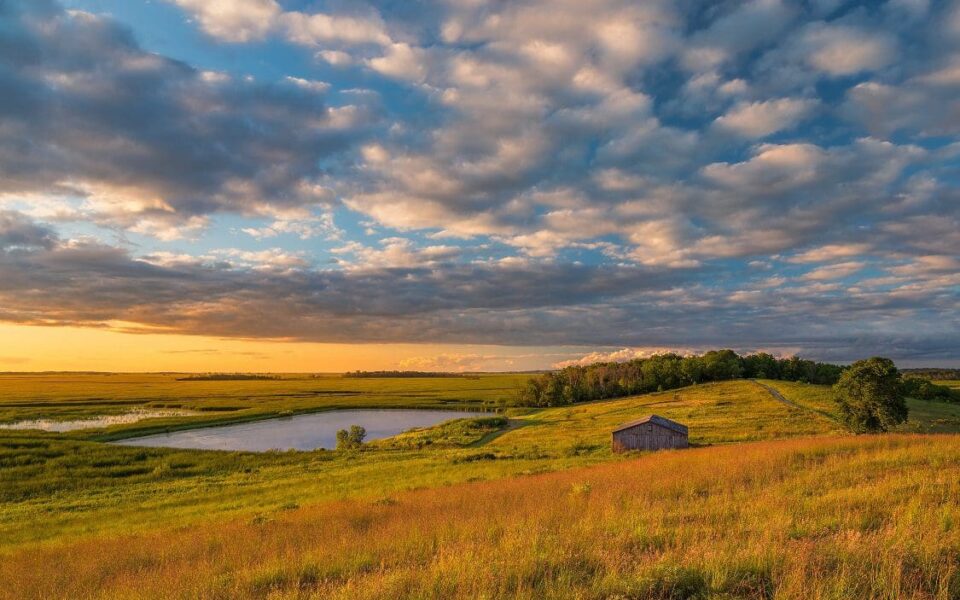
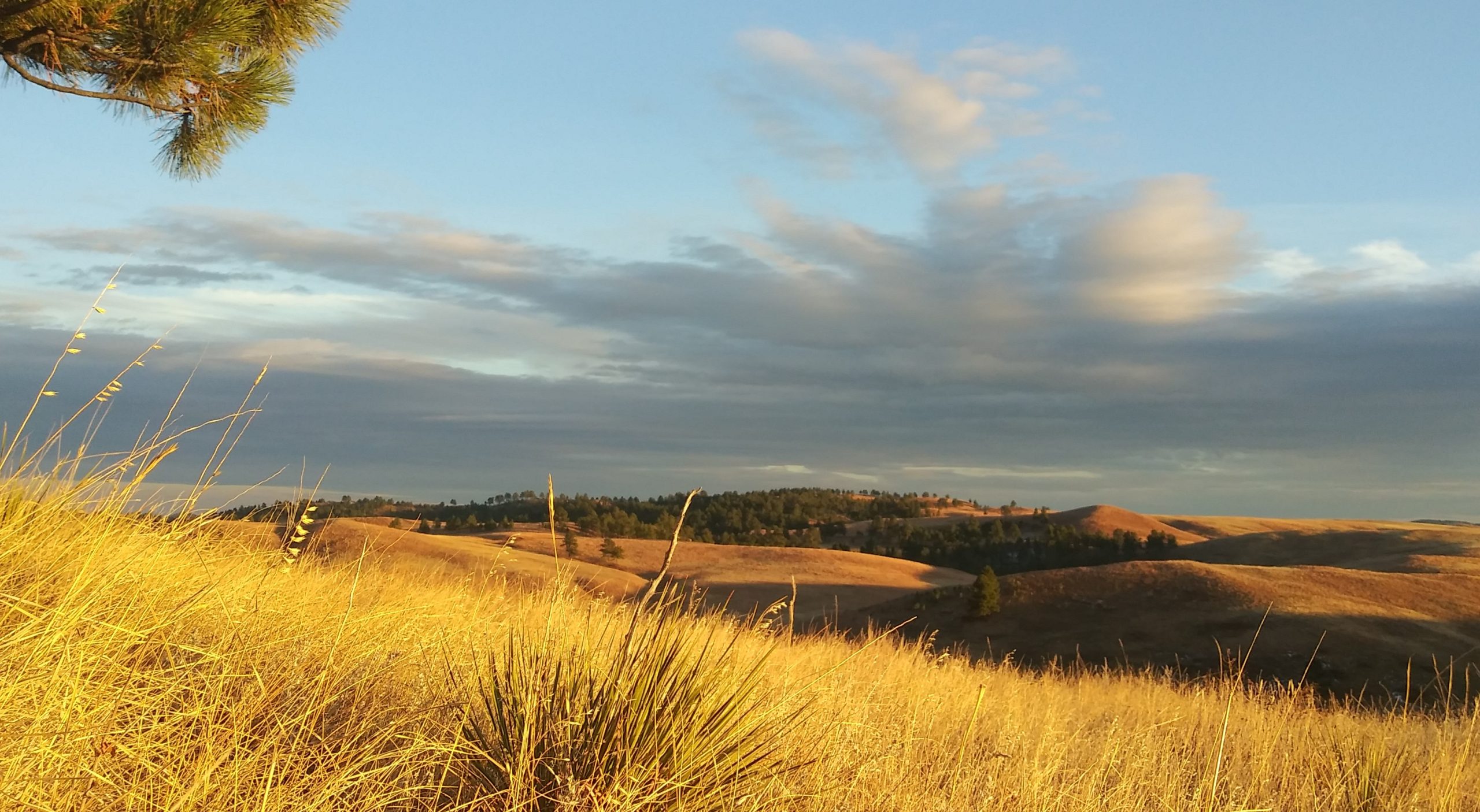
Rolling alluvial lowlands in the state’s eastern portion give way to the flat, treeless plain of central Nebraska, which in turn rises to a tableland in the west. Common mammals native to the state: pronghorn sheep, white-tailed mule deer, badger, kit fox, coyote, striped ground squirrel, prairie vole, and several stinky skunk species are abundant. More than 400 varieties of birds, including mourning dove, barn swallow, and western meadowlark (the state bird), are among them, occasionally darkening the mid-day sky with flocks that number in the hundreds of thousands. The geographic center of the United States lies less than 200 miles away in Lebanon, Kansas.
This is the heart of the ‘heartland.’

On March 1st, 1867, the first flag celebrating Nebraska’s inclusion in the Union was displayed on the courthouse grounds. On that day, the 6’x12’ linen flag, massive in size, with hand-stitched stars and stripes, began its journey through the ages.

I don’t remember the weather. I don’t remember exactly how it happened, and I never knew precisely why it was given to me. Honestly, I cannot even recall the name of the person who entrusted me with the care of the flag. But I do remember her hands: massive plows. Her face was square with the firm quality of the Santee Sioux, Ponca, and Pawnee and not to be confused with ‘pretty’ in any way.
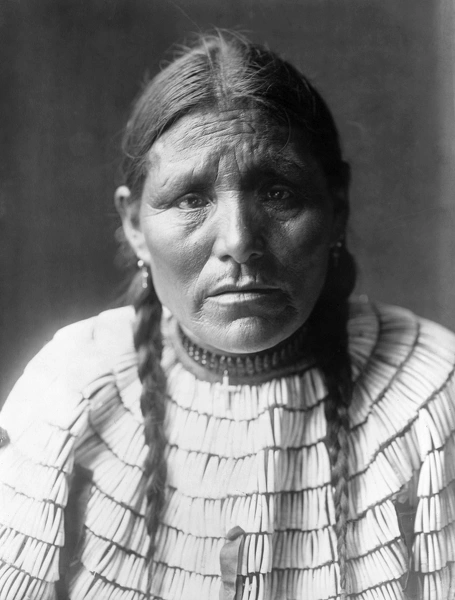
Her voice was deep. Her hair is waist long. Her demeanor is quiet. She looks to me like the name the Oto Indians gave to that vast prairie so many generations before: Flat Water. And soon, she will be quiet forever; she is dying of cancer at the age of 22.
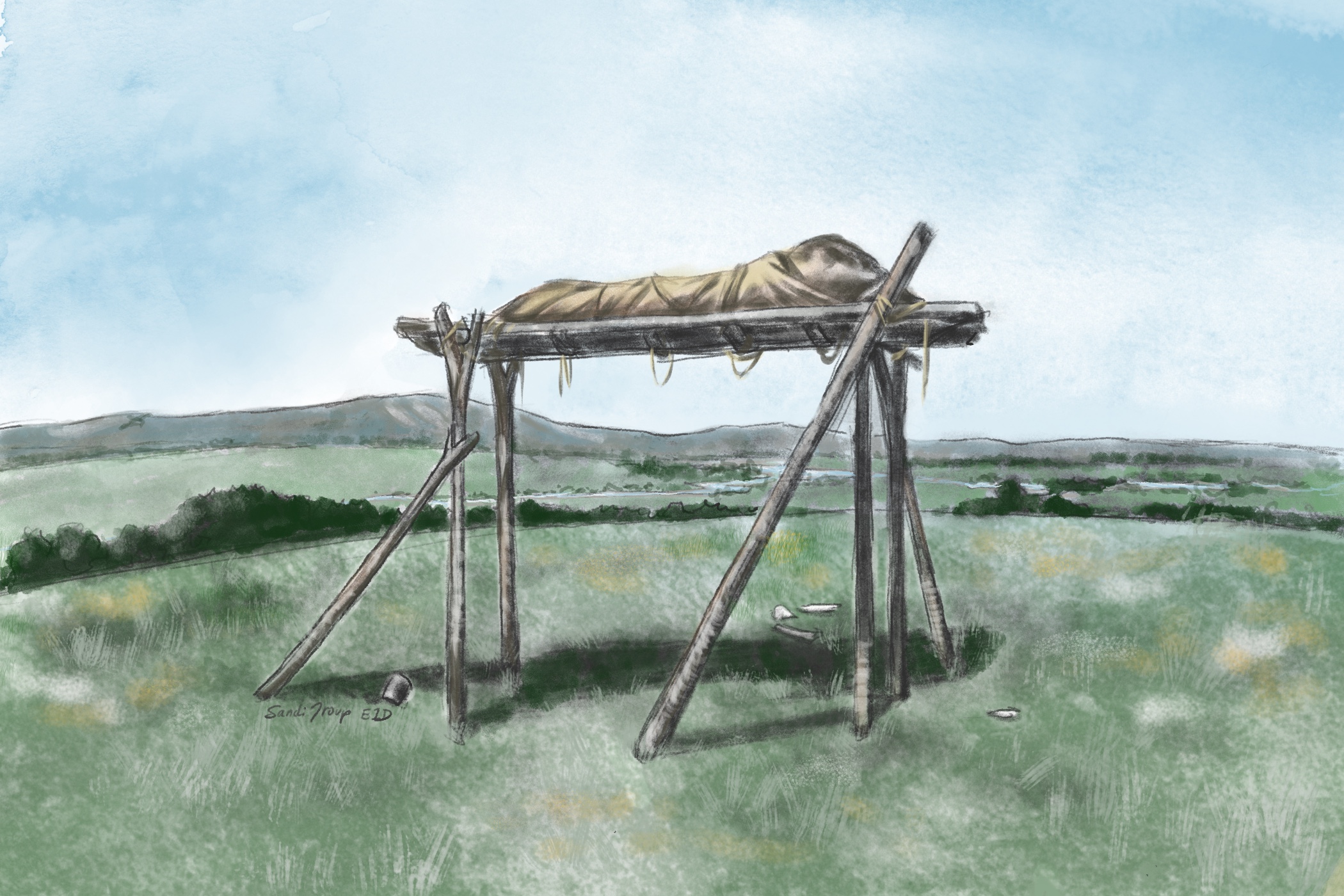
Shortly before she died, “Flat Water” gave me the flag. “It is your turn to carry this forward,” she said when she handed it to be in an old tin cookie box. I was 22, unsure of the world and my place in it, but I protected that flag and kept it close to me for 45 years. During that time, I learned of the great responsibility the flag came to symbolize. Although I will never know the names of the stitchers or the celebrants who gathered on that clear morning in March, my promise to “Flat Water” to carry the flag forward and celebrate its rich history became enough.
When I left the United States, I gave the flag to the daughter of a close friend and told her this story. I said I hoped she would care for it just as I had and that when it was time, she would pass it on to the next of what I pray will become a long list of porters bearing the work of those proud women eager to join the melting pot of immigrants bearing the title, US citizen residing in the great State of Nebraska.



Hogar Esperanza News

Fund Grace News

Fabianos Pizzeria News

The Cuenca Dispatch

Week of September 20

Ecuador turns to industrial power cuts to protect Mazar and keep homes from going dark.

Ecuador raises its 2026 growth forecast, but El Niño could spoil the outlook next year.
Cuenca retirees challenge medical and therapy changes at IESS senior center.