













After six months in Cuenca: When the city stops being a stage for expats
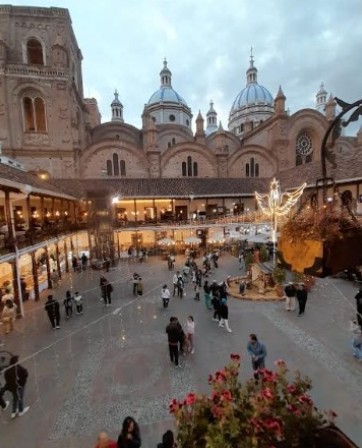
For most newcomers, the first months in Cuenca feel unusually vivid. The historic center looks like a postcard. The churches feel monumental. Every walk around Parque Calderón feels intentional, as if you are participating in something meaningful simply by being there.
Friends back home want photos. You notice light, color, and architecture in ways you never did before. Even small errands feel like experiences. Life feels curated, almost cinematic.
 Then, somewhere around six months in, that feeling softens.
Nothing goes wrong. The city does not disappoint you. But the sense of being a visitor inside a story begins to fade.
When Observation Turns Into Participation
This shift is not a failure. It is not boredom. It is not a sign that you chose the wrong place.
It is the moment when Cuenca stops performing and starts supporting your life.
In the early months, many people move through the city as observers. You sit in cafés near Parque Calderón because they feel iconic. You walk Calle Larga because it feels like the place you are supposed to be. You explore neighborhoods as destinations rather than as parts of daily life.
 After six months, the city quietly rearranges itself.
You stop choosing cafés for their charm and start choosing them for their chairs, their bathrooms, and whether you can hear yourself think. You learn which sidewalks are uneven. You notice which hills feel steeper on some days than others. You stop wandering and start routing.
This is not loss. It is adaptation.
The Moment the City Becomes Practical
At this stage, Cuenca becomes less theatrical and more functional. That change can feel disorienting if you are not expecting it.
 You begin to understand which errands make sense to combine. You learn which mercados fit your routine and which feel like unnecessary effort. You stop crossing the river unless there is a reason. Familiar paths replace exploration.
The mental energy once spent decoding everything is freed up.
What replaces it is not boredom. It is orientation.
Living Here Instead of Explaining It
This is also the moment when the way you talk about Cuenca begins to change.
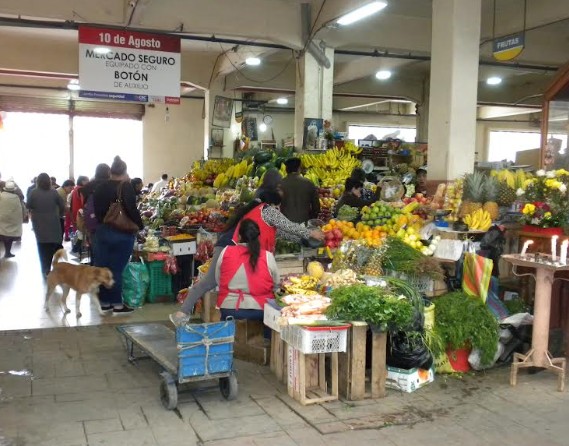 Early on, you describe the city with enthusiasm. You explain why you chose it. You point out what makes it special.
After six months, you talk less about the city and more about how your day’s work. You describe routines rather than landmarks. You no longer feel the need to justify the move.
The city does not need to impress you anymore.
When a Place Starts Holding Your Life
Long-term residents often describe this stage without drama. They talk about it through small details rather than big statements.
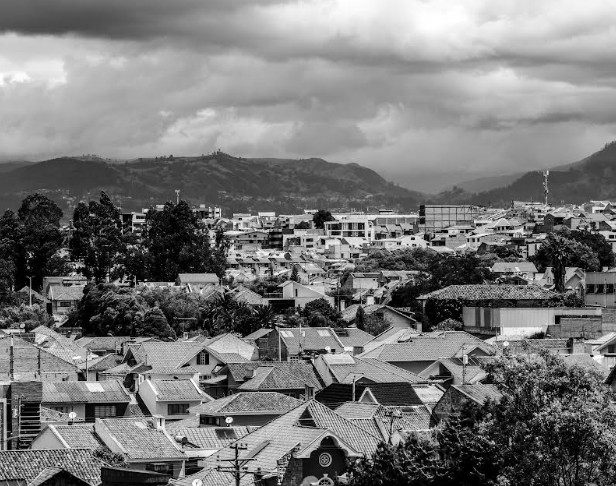 Morning walks follow familiar routes. Errands are efficient. You know where you can sit when you are tired. The city becomes predictable, and that predictability brings a quiet sense of relief.
Cuenca has not lost its beauty at this point. You simply stop asking it to prove itself.
When a city stops being a stage, it becomes a framework for real life. It holds your habits, your moods, and your ordinary days. It no longer asks for attention.
For some people, this moment feels like settling. For others, it feels like grounding. Either way, it marks the point where living abroad shifts from experience to life.
And for many, this is when living in Cuenca truly begins.
This quiet shift is often less about place and more about life stage, something we explore further in a related Next Cradle article.