





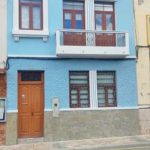






After the first six months as an expat: When Cuenca starts to feel different
In the early months, Cuenca feels like a backdrop. Beautiful buildings. Mountain light. Cafes that feel new each time you sit down. Life feels like a long vacation with errands mixed in.
After six months, the city steps off the stage and into your daily life.
You stop noticing every church and start noticing which sidewalk is less steep. You stop photographing every meal and start caring who remembers your usual order. You stop saying you live in Cuenca and start saying I am home.
 This is not magic. It is grounding.
The Emotional Static Gets Quieter
That background hum of What did I do often fades into a softer voice. It may still speak up, but it no longer shouts.
You know where to buy batteries. You know which taxi drivers overcharge. You know how long the bank really takes on a bad day. You even know which problems are worth getting upset about and which ones will pass tomorrow.
Confidence does not arrive like a ceremony. It slips in quietly through repetition.
Loneliness Changes Shape
Loneliness does not always disappear, but it changes.
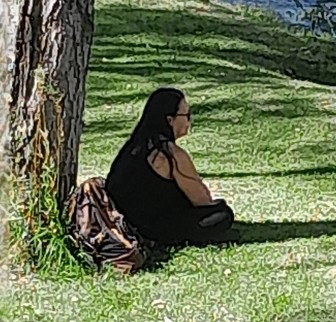 In the beginning it is sharp and sudden. Later it becomes softer and more familiar. You learn its patterns. You learn when it shows up. Rainy afternoons. Holidays. Days when news from home feels heavy.
Some people begin to build real friendships at this point. Some stay on the edge of social circles. Some find comfort in solitude.
No version of this is wrong. It simply reflects who you are becoming in this place.
Your Body Learns the Terrain
By this stage, your lungs have adapted. Your legs are stronger. You know which hills to avoid on tired days. You know when noise will settle and when it will carry through the night.
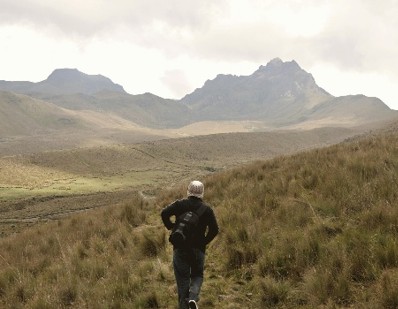 Your body has learned the rhythm even if your mind still resists parts of it.
This is often when people realize they feel healthier in some ways and more tired in others. Both can be true.
Money Feels More Real and Less Scary
The mystery fades. The numbers become familiar. You know what your real monthly costs look like now. You know what surprised you and what did not.
For some, this brings relief. For others, it brings clarity that forces choices. Smaller apartments. Different neighborhoods. New income plans.
 The fantasy budget is gone. The lived budget has arrived.
The Inner Question Changes
Before, the question was Did I make a mistake.
Now it becomes Do I want to grow here.
That is a very different question.
Growth feels slower than adventure. It feels quieter. It requires patience instead of momentum. Some people lean into it. Some realize they prefer movement over settling.
 Both answers are honest.
The Expat Identity Softens
After six months, many stop introducing themselves as new. They are no longer wide-eyed. They are no longer defensive. They simply are.
Some begin to notice how they speak about the city has changed. Less comparison. Less judgment. Less need to prove they made the right choice.
More acceptance. More nuance. More gray.
The City Becomes a Relationship, Not a Project
At first, Cuenca is something to figure out.
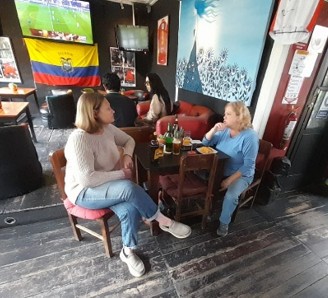 Later, it becomes something to relate to.
It disappoints you sometimes. It comforts you at others. It surprises you. It frustrates you. Like any relationship, the fantasy fades and the truth takes its place.
Those who reach this stage rarely speak with as much drama as they did in the beginning. Their stories grow quieter — and deeper.
There Is No Finish Line
Some people leave after this point. They leave with gratitude. They leave with relief. They leave knowing they tried.
Some stay for years. Some for life.
The key difference is not how long they stay. It is whether they stop expecting the city to meet every emotional need.
Cuenca can offer beauty. Calm. Community. But not certainty. That comes from within.
After the first six months, you are no longer testing a dream.
You are building a life.
Again, you can explore how this phase unfolds emotionally in the quiet companion article on Next Cradle.
________________
Jim Smith is a consultant and head of a Resource Hub that Supports Seniors, Retirees, and Digital Nomads — especially those rethinking life and work due to political and economic instability. He is the past chairman of the Portland, Oregon Housing Authority. He lives in Cuenca.



Hogar Esperanza News

Fabianos Pizzeria News

Fund Grace News

The Cuenca Dispatch

Week of September 20
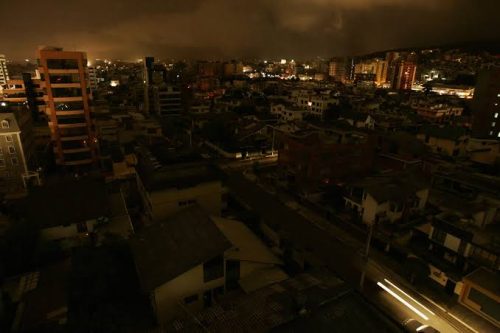
Ecuador turns to industrial power cuts to protect Mazar and keep homes from going dark.

Ecuador raises its 2026 growth forecast, but El Niño could spoil the outlook next year.
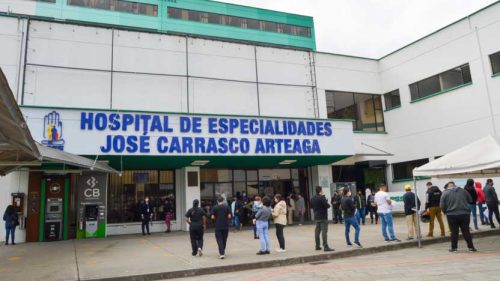
Cuenca retirees challenge medical and therapy changes at IESS senior center.