












Airlines are preparing to eliminate paper boarding passes — and it’s already causing problems
By Tamara Gane
Paper boarding passes get a bad rap. They’ve become shorthand for being not only out of touch but unfamiliar with basic technology. Airlines, for their part, are doing everything they can to push them into the past.
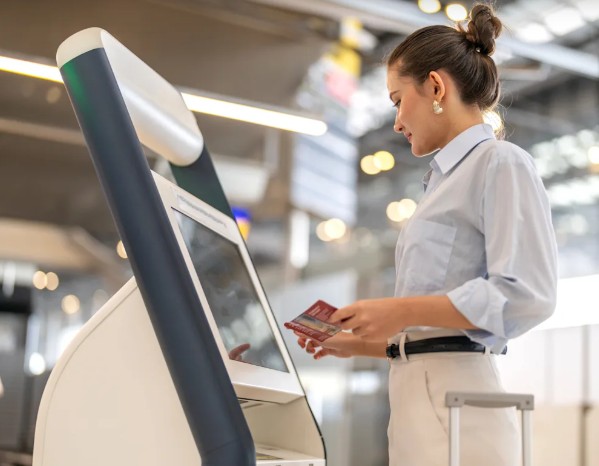
Airlines are quietly eliminating paper boarding passes.
Last spring, American Airlines reprogrammed kiosks so boarding passes aren’t printed automatically. Now, paper versions must be specifically requested at check-in. Emirates made a similar change in 2023, requiring most passengers departing from Dubai to use mobile boarding passes. Both airlines said the decision was driven by efficiency and sustainability goals, and they still allow paper backups for travelers who cannot access a mobile version.
Ryanair is going further. On November 12, 2025 the airline stopped issuing or accepting paper boarding passes. Ryanair says the change was implemented to streamline operations, reduce paper waste by hundreds of tons annually, and encourage broader use of its digital ecosystem. Although the airline stated that printed boarding passes may still be available in some circumstances, including when passengers don’t have cell phones, the move is controversial.
There is already a growing backlash against the move toward digital-only boarding passes, especially regarding Ryanair’s strict policy. Critics and advocacy groups, such as Age Action in Ireland, have raised concerns that these policies amount to “digital exclusion,” arguing that they disadvantage older passengers who may not own or feel comfortable using smartphones. Some travelers have also raised concerns about what will happen if a phone is lost, stolen, or runs out of battery during travel.
I get the resistance to paper boarding passes. They use resources and cost money to print. In addition, a paper boarding pass means one more thing to keep track of and carry around. Plus, you still need to use monitors and the app to track flight delays and gate changes since paper can’t track updates. Despite this, I still think it’s crucial they remain an option for travelers. Here’s why.
Paper boarding passes are more accessible
Not every traveler owns a smartphone, and even if they do, some aren’t comfortable relying on one for every step of their trip. Many older travelers find airline apps confusing or intimidating.
Low-income passengers are also more likely to have older phones or limited data plans, making digital boarding passes cost-prohibitive.
Disabled travelers with visual impairments or mobility challenges often find it easier to hand over a printed pass instead of juggling multiple screens. And sometimes, things just happen — phones get lost or stolen mid-trip. It’s hard to overstate the relief of knowing you can still board your flight with a simple slip of paper.
Paper boarding passes preserve your battery life
Digital boarding passes are useless if your phone is dead and power outlets aren’t always available at the airport. A paper boarding pass doesn’t care about battery percentage or screen brightness. It also comes in handy when you can’t find a place to plug in, or worse, when your phone dies, and you still need to get through security.
In a world where travel largely depends on your phone, a paper boarding pass is a solid backup plan.
Paper boarding passes are romantic
There’s also something sentimental about holding a boarding pass in your hand, a physical memento of where you’ve been. You can use them as bookmarks, scribble notes on the back, or paste them into scrapbooks. In an age where most people post to Instagram in lieu of framing photographs, a paper boarding pass is a tangible reminder of your trip. It’s a small, ordinary object that captures the excitement of going somewhere new. And proof that you were part of the journey, not just passing through it.
__________________
Credit: Yahoo