








Architecture in Ecuador: 12 projects rooted in territory, craft, and generations of collective practice
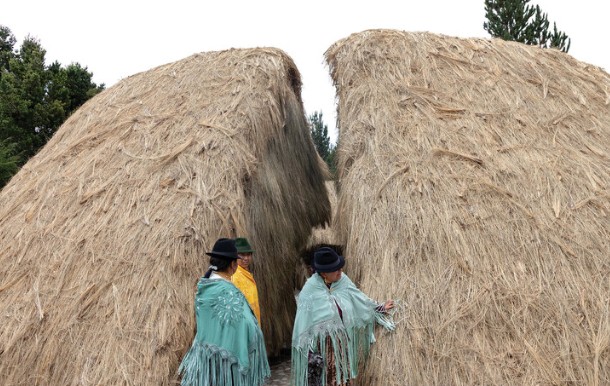
Chaki Wasi, Artisanal Center of the Shalalá Community / La Cabina de la Curiosidad. Image © JAG Studio
By Daniela Andino
Between the Andes, the coast, and the Amazon, Ecuador’s architecture has evolved as a reflection of its layered geography, a place where climate, topography, and culture unite. Throughout the territory, architecture has been an act of adaptation: from vernacular traditions rooted in collective labor and local materials to the colonial and modernist influences that reshaped its cities. This diversity has produced distinct constructive systems, from bamboo and cane structures along the coast to earth and stone constructions in the Andes, forming an archive of adaptive design that continues to influence contemporary practice.
Yet in the past decade, Ecuadorian architecture has undergone a quiet but deep transformation. New academic programs and international references have encouraged a growing awareness of climate and social justice. Emerging architects are redefining practice through workshops, collective studios, and on-site experimentation that blurs the line between design and activism. No longer focused on architecture as an object, a new generation of architects is approaching design as a process. One focused on collaboration, sustainability, and cultural identity. Their questions have shifted the design language from what to build to with whom.
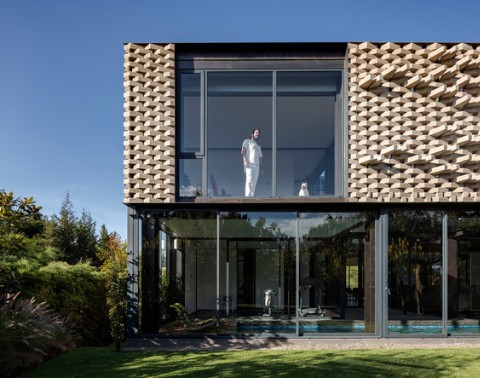
Una Casa en los Andes / ODD ARCHITECTS
Studios such as Natura Futura, Al Borde, Rama Estudio, and a growing network of other practices have redefined the architectural model. Working closely with artisans, communities, and local industries, they combine material experimentation with social engagement. Their projects, spanning from rural schools and community centers to adaptive housing and public spaces, are built on shared knowledge. This emerging architecture speaks the language of its territory: brick, bamboo, wood, and earth are reinterpreted through contemporary vision. It embraces climate as a design tool, responding to humidity, light, and altitude through different strategies such as natural ventilation, shading systems, and locally sourced materials. Their approach moves architecture from isolated design objects to processes embedded in their social and territorial realities.
These projects illustrate how Ecuadorian architecture today doesn’t simply respond to its surroundings; it actively participates in shaping them. What unites this generation of architects is not a shared aesthetic, but a shared ethic: architecture as a conversation between people, materials, and place.
Explore the projects below to discover how Ecuador’s contemporary architecture translates landscape, craft, and community into a new spatial language.
Community and Collective Practices
Across these projects, the community plays a key role. Whether it involves activating a riverside neighborhood, supporting rural production, or strengthening Indigenous craft networks, each project is shaped through local decision-making and shared labor. All these practices operate within existing community dynamics, utilizing accessible materials and engaging in participatory construction, thereby delivering spaces tied to education, work, and collective identity.
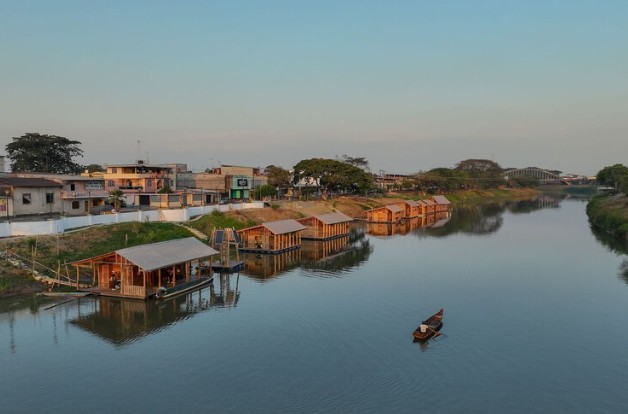
The Floating Neighborhood of Las Balsas / Natura Futura. Image © JAG Studio
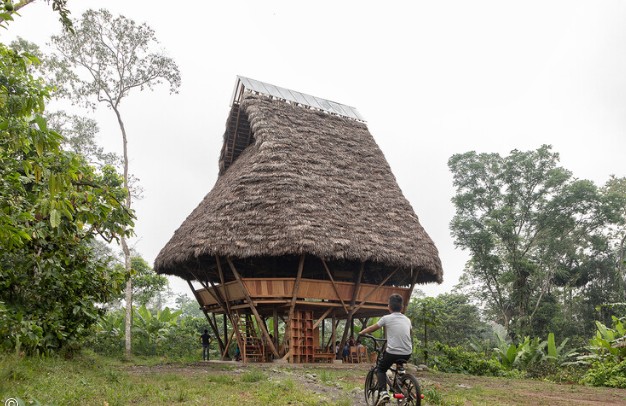
Yuyarina Pacha Community Library / Al Borde. Image © JAG Studio
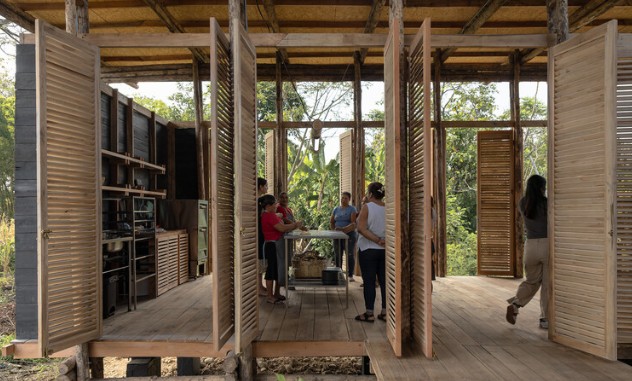
Chaki Wasi: Artisanal Center of the Shalala Community | La Cabina de la Curiosidad
Material Experimentation and Craft
Materiality is a central driver in these projects. Whether reinterpreting traditional roof tiles, working with earth-based structures, or assembling lightweight wooden systems, each project is grounded in what the territory can offer. These approaches test materials through on-site prototyping, collaboration with local artisans, and construction methods adapted to climate and budget.
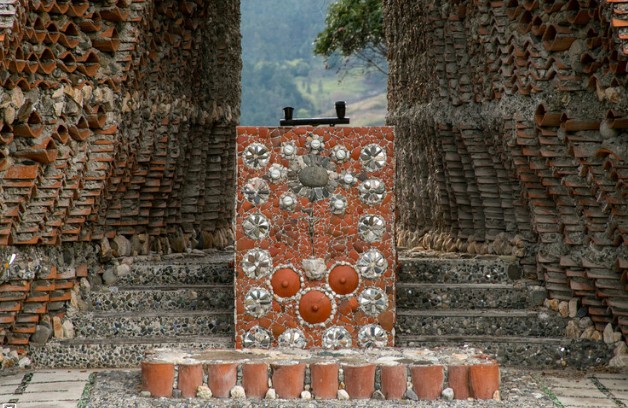
Capilla de teja / Jimenez Arquitectos + FB. Image Courtesy of Jimenez Arquitectos
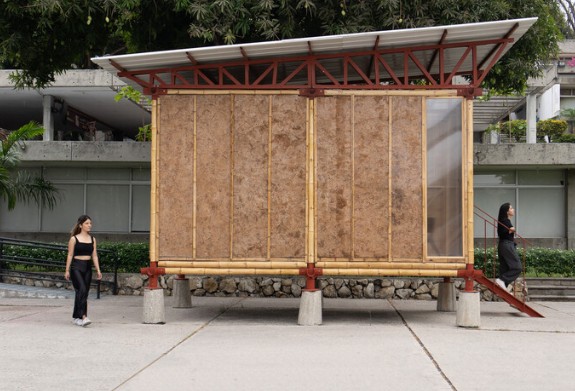
Refugio de emergencia con ecomateriales / Laboratorio de Vivienda de Interés Social (LabVIS) + Juan Carlos Bamba + Enrique Mora + Jorge Ludeña + Robinson Vega
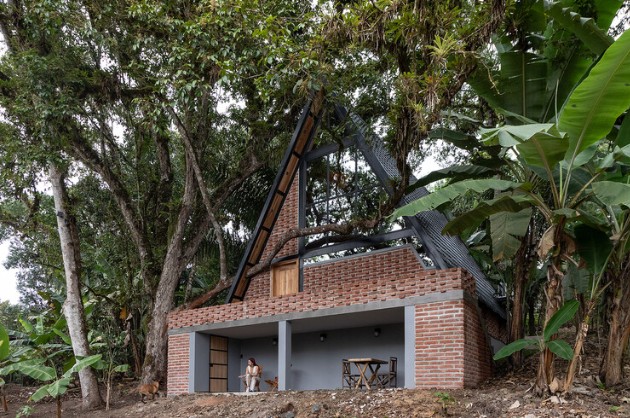
A Shelter in the Forest / Espacio & Luz Arquitectos
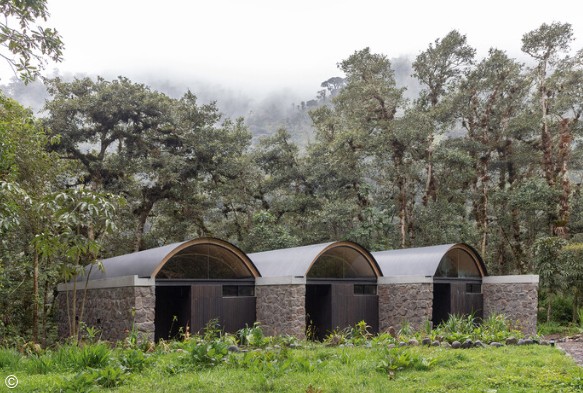
Las Pajareras Lodges / Ignacio Muñoz + Javier Mera Luna
Housing and Daily Living
In these residential projects, design decisions are guided by immediate context: slope, orientation, ventilation, and the specific demands of each site. Whether working in dense urban areas or remote Andean landscapes, the architects rely on clear spatial layouts and passive climatic strategies that respond to altitude, sunlight, and airflow. These homes illustrate a design approach where domestic space grows directly from environmental conditions and construction logic, rather than from a fixed architectural mold.
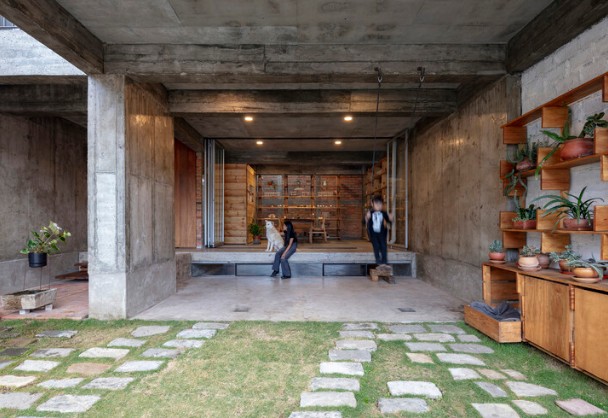
Foundations House / Holger Cuadrado
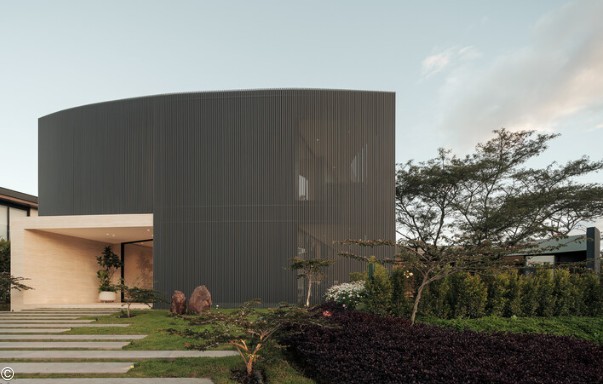
Riba House / TEC – Taller EC

House of the Rolling Rooms / Rama Estudio
_________