

















Arthritis awareness: A look at the basics
by Mark A. Mahoney, Ph.D., R.D.N.
Today’s column will provide some basic information and an introduction to some simple measures to deal with arthritis — particularly osteoarthritis, its most common form. A future column will go into more detail on the benefits of physical activity programs for both prevention and addressing flexibility & pain management in those presently experiencing arthritis as well as self-management education programs and diet for addressing arthritis.
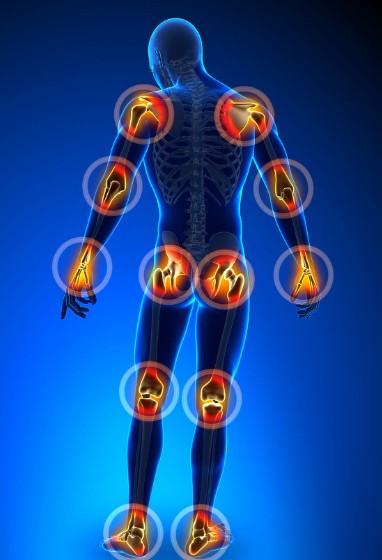
Arthritis is a general term for conditions that affect the joints, tissues around the joint and other connective tissues. Here are some fast facts about arthritis:
General Arthritis Facts
- There are more than 100 types of arthritis.
- Specific symptoms vary depending on the type of arthritis, but usually include joint pain and stiffness.
- Osteoarthritis is the most common form of arthritis. It occurs most frequently in the hands, hips, and knees.
- Experts don’t know the causes of many forms of arthritis.
- Certain risk factors make it more likely that you will develop arthritis.
 Arthritis Statistics
- An estimated 53.2 million US adults have arthritis. Experts believe that number will grow as our nation’s population gets older.
- Arthritis is a leading cause of work disability among US adults.
- Arthritis is common among people with other chronic conditions including obesity, diabetes, and heart disease.
Treating and Managing Arthritis
- There is no cure for arthritis, but it can be treated and managed.
- Treatments include medication, non-drug therapies such as physical therapy or patient education, and sometimes surgery.
- Managing arthritis symptoms is important to reduce pain, prevent or delay disability, and improve overall quality of life.
- CDC’s Arthritis Management and Wellbeing Program recognize 5 ways to manage arthritis and its symptoms: learn new self-management skills, be active, talk to your doctor, manage your weight, and protect your joints.
Modifiable risk factors
These are risk factors that you can control. Making lifestyle changes can decrease your risk of getting some types of arthritis or making arthritis worse.
Overweight and Obesity
People who are overweight or obese are more likely to get knee osteoarthritis than people who are not overweight. Excess weight can also make knee osteoarthritis worse. Extra weight puts more stress on joints, particularly weight-bearing joints like the hips and knees.
- What you can do: Maintain a healthy weight. Healthy eating and physical activity can help you lose weight and stay at a healthy weight. Learn how you can eat healthy and safely exercise with arthritis.
 Infection
Many microbial agents, like bacteria and viruses, can infect joints and potentially cause the development of some types of arthritis.
- What you can do: See your doctor right away if your joints are swollen, warm, or red. It might be an infection.
Joint Injuries
Joint injury or overuse such as knee bending and repetitive stress can damage a joint and contribute to the development of osteoarthritis in that joint.
- What you can do: Protect your joints from injuries by doing special exercises for those joints.
Occupation
Occupations that involve repetitive knee bending and squatting are associated with osteoarthritis of the knee.
- What you can do: Make sure your worksite is free of fall hazards and has the space, equipment, and tools that fit your physical ability and limitations
Smoking
Cigarette smoking increases a person’s risk of developing rheumatoid arthritis (RA) and can make the disease worse. It can also cause other medical problems. Smoking can also make it more difficult to stay physically active, which is an important part of managing RA and other types of arthritis.
- What you can do: Stop smoking. Get help by visiting the Tobacco Free Florida website (tobaccofreeflorida.com).
Risk Factors You Cannot Control
Your risk for most types of arthritis increases as you get older.
Non-modifiable risk factors are risk factors that you cannot control. These include:
Age
Your risk for most types of arthritis increases as you get older.
Gender
Most types of arthritis are more common in women, including osteoarthritis (OA), rheumatoid arthritis (RA), and fibromyalgia. Gout is more common in men
Genetics and Inherited Traits
People born with specific genes are more likely to develop certain types of arthritis, such as rheumatoid arthritis (RA) and others. Experts do not know why people with these genes are at higher risk for developing arthritis or why it can make their arthritis worse.
Thanks to the Centers for Disease Control and Prevention (CDC) and the Osteoarthritis Action Alliance for much of the content.
__________________
Mark A. Mahoney, Ph.D., R.D.N. served as a Peace Corps Volunteer in Ecuador in the mid-1970s as well as Chile. He has been a Registered Dietitian/Nutritionist for over 40 years completed graduate studies in Nutrition & Public Health at Columbia University and earned a Ph.D. in International/Intercultural Development Education at Florida State University. He can be reached at marqos69@hotmail.com.



Hogar Esperanza News

The Cuenca Dispatch

Week of September 20

Ecuador turns to industrial power cuts to protect Mazar and keep homes from going dark.

Ecuador raises its 2026 growth forecast, but El Niño could spoil the outlook next year.

Cuenca retirees challenge medical and therapy changes at IESS senior center.
Fabianos Pizzeria News

Fund Grace News