













As the dry season begins, critics say country’s electric generation capacity remains in ‘crisis mode’
Despite the government’s announcement it will have an additional 979 megawatts of electric power generation available by August, many experts are warning that the country’s energy crisis has not been resolved. “Yes, this helps and, combined with increased rainfall it may get us through the dry season, but the larger problem of insufficient generation capacity has not been fixed,” says electric engineering consultant Nivaldo Verdesoto.

Although energy experts agree electric blackouts are less likely this year due to heavy rain, they say Ecuador’s power crisis is not over.
In a Tuesday presentation, Ecuador Electric Corporation (CELEC) manager Gustavo Sánchez listed new power plants that will come on-line in July and August and predicted there will be no repeat of the blackouts that plagued the country in late 2024. “We are confident we will not experience the suspensions of last year,” Sánchez said. “We have responded aggressively to the crisis, adding new generation sources to ensure that the scenario will not be repeated.”
Sánchez, accompanied by Energy Minister Inés Manzano presented a Power Point showing new and repaired power plants that will begin or increase operations. Among the facilities that will be available to operate at full capacity are four thermal plants: Termogás Machala, with a 238-megawatt generation capacity; Salitral in Guayaquil, 100-megawatt capacity; Esmeraldas III, 92-megawatt capacity; and Quevedo, 50-megawatt capacity.
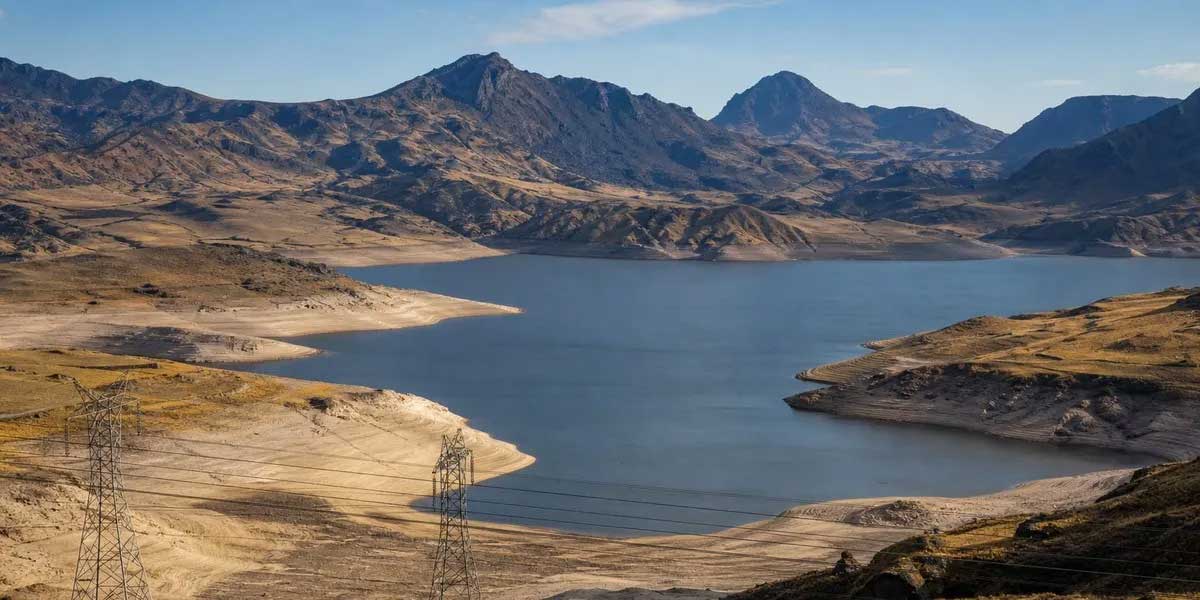
In addition, Sánchez said repairs and upgrades to the hydroelectric facilities at the Mazar complex in Azuay Province and the Coca Coda Sinclair plant in Napo Province will allow additional generation in the coming months.
Although Verdesoto says the added generation is good news, he calls it a “band aide” and not part of a long-term solution. “Most of the added capacity is based on leased thermal equipment shipped in from overseas,” he says. “These are fixed-term rentals that offer temporary relief.”
What Verdesoto does not see is a “solid and definitive” plan for the future. “After what we experienced last year, we should have proposals for new, permanent hydro and thermal plants and I see none of this from the government,” he says. “These plants will take years to build so the time begin planning and construction is now. What I see at the moment are quick fixes driven mostly by political interests, not a blueprint for the future.”
Roberto Aspiazu, Ecuador Energy Chamber president, says future plans must consider the rapid growth of electric usage. “We set a record for consumption in the first four months of this year and this will only increase,” he said. “Among other things, the growth of computerization, including artificial intelligence, will make the demand grow exponentially and we’re not prepared for this. I certainly don’t see the planning that considers it.”
He adds: “We are still in crisis mode. What I hear from CELEC seems only to consider the next season and avoiding the embarrassment of blackouts.”