

















As the indigenous strike enters its second month, experts consider the ways it might end
Following the collapse of negotiations between the government and indigenous groups Monday, neither side appears eager to make the concessions necessary to bring the national strike to an end. Reaching a resolution is further complicated by the lack of central leadership within the indigenous movement, a factor that was painfully evident last week in Otavalo.
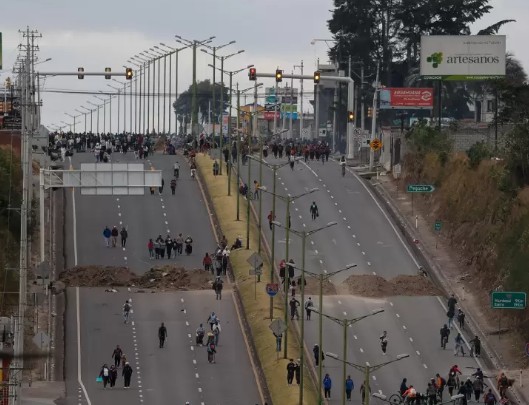
The indigenous strike enters its second month with no end in sight.
Following last Tuesday’s violence, both sides appear to have hit the “pause button” in the conflict, says University of Guayaquil history professor Damon Bonilla. “Everyone was shocked by what happened, and both the government and the strikers are stepping back from direct confrontation,” he says. “Even with the failure of the talks, the government is delaying its plan to clear the roads in Imbabura and the strikers are not attacking the military vehicles parked in Otavalo.”
What happens next, however, is a “roll of the dice,” says Bonilla. “I think the sponsors of the strike, especially Conaie, realize their position is much weaker than it was in 2019 and 2022. Those strikes paralyzed most of the country, which gave them leverage at the bargaining table. This strike is smaller and has essentially fallen back to Imbabura Province.”
Conaie must reconsider its demands, Bonilla says. “They understand that the government will not bring back the diesel subsidy, which was their top priority, so they must revise and reduce their demands. Because it [Conaie] does not have the control of the strike it had in 2022, this makes developing a strategy more difficult.”
The “fatigue factor” is also coming into play in terms of how much longer the strike continues, says newspaper columnist Guillermo Quishpe. “The indigenous people are becoming weary of the conflict since it affects them more than other sectors of the population,” he says. “They become tired of the anger and disruption to their lives. Since the strike is now centered in Imbabura Province, this is especially true due the large percentage of indigenous population there. Many people in Otavalo and Cotacachi have been out of work for weeks as businesses have been closed and transportation is obstructed. The economy there has collapsed and the majority of the people are eager for a return to normalcy.”
Quishpe, who identifies himself as “mostly indigenous,” says people in Otavalo are being “terrorized” by strikers demanding that businesses remain closed and that employees not show up for work. “Although no one wants to complain publicly, privately they say that thugs are running the town, attacking those who want to work and open their shops. This undercurrent of anger is part of the fatigue that is setting in as the strike continues.”
Luis Verdesoto, a professor and radio commentator, acknowledges the imbalance of power between the government and strikers, but says the government should take the lead in ending the strike. “I understand they will not backtrack on diesel but there are other concessions they can bring to the table to end the impasse.”
So far, says Verdesoto, the government has shown little interest in finding common ground with the strikers. “They have been engaged in chest-beating and boasting about their military power and how they will clear the highways, but it is time they show the maturity that people expect of the government. Yes, it is true that this is a smaller strike than those of the past, but it is still disruptive to people’s lives and to the economy.”
He adds: “For a month, we have had a clash which neither side wants to end. Given its superior position, it is time for the government to play the role of big boy and sit down with the strikers to find solutions that will bring this thing to an end.”