












As their electric power is cut on Mondays, large companies blame government for lack of planning
Electric power to more than 150 large companies was disconnected on Monday as part of the government’s plan to save energy ahead of the approaching El Niño. The Energy Ministry estimates the move will save as much as 1,000 megawatts of energy although other sources, including the National Electricity Operator (CENACE), believe the savings will be 400 to 600 megawatts.
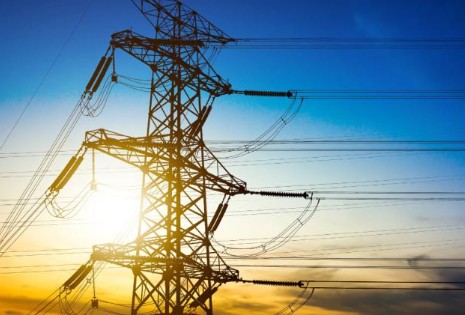
Officials at large companies complain that they are being unfairly targeted to reduce electrical use as El Niño approaches.
Energy Minister Juan Carlos Blum said the cutoffs will alleviate stress on the country’s electrical grid as El Niño begins to reduce hydroelectric generation. “We understand the burden this places on industries but it is necessary to maintain reservoir levels at our hydroelectric facilities, especially at the Mazar complex,” he said, adding that additional energy saving measures may be necessary in the coming months.
Most of the companies affected by the power cut are manufacturers and large shrimp farms located in Guayas Province. Power to the companies will be disconnected on Mondays until further notice.
Meanwhile, several industry officials claim the Monday blackouts unfairly target their operations and blame the government for not installing additional electric generation capacity following the 2024 blackouts.
“There will be a costly impact on several fronts,” says Rodrigo Gómez De la Torre, president of the Ecuadorian Business Committee. “On the bottom line, production will become more expensive and costs will be passed on to consumers.”
De la Torre said the government suggestion that company work weeks be shifted from Tuesday through Saturday is not practical for many industries. “What will happen in many cases is that Saturday will be half of a workday due a range of logistical issues. With only a few days notice from Quito, companies must deal with labor, supply, transport and fuel issues that under normal conditions would take weeks to resolve.”
De la Torre adds that a total disconnection from the power grid means additional downtime on Tuesday. “Even when a plant is idle, machinery requires an ongoing power supply to be fully functional when a new production day begins. I know of several manufacturers who will need half a day to get up and running when power is restored. This was not something the Energy Ministry people considered.”
According to De la Torre, Ecuador’s electric generation system “continues to be plagued” by a lack of planning. “After the 2024 blackouts, we were told that more than 1,000 megawatts of generation would be added within 18 months,” he said. “Today, almost two years later, almost nothing has been added and we face another emergency and the authorities are turning to industry to bail them out.”
Paul Moreno, director of a wood products company near Duran, agrees and complains about the government order that large corporations generate their own electricity beginning in December. “We were given seven months’ notice with no opportunity to be involved in the decision,” he says. “If we were, we would have told them it takes 20 to 24 months to design and build an electrical system to power an industrial operation.”
Also, like De la Torre, he criticized the government for not prioritizing Ecuador’s electrical system following the 2024 power crisis. “They did almost nothing except get involved in a corruption scandal with a U.S. generator company and now my company, and the others, are being asked to pay the price.”