












Blackouts are 5 to 7 hours as dry weather returns; 32% blame Noboa for the power crisis; Ecuador must prepare for climate change; Is Coca Coda for sale?
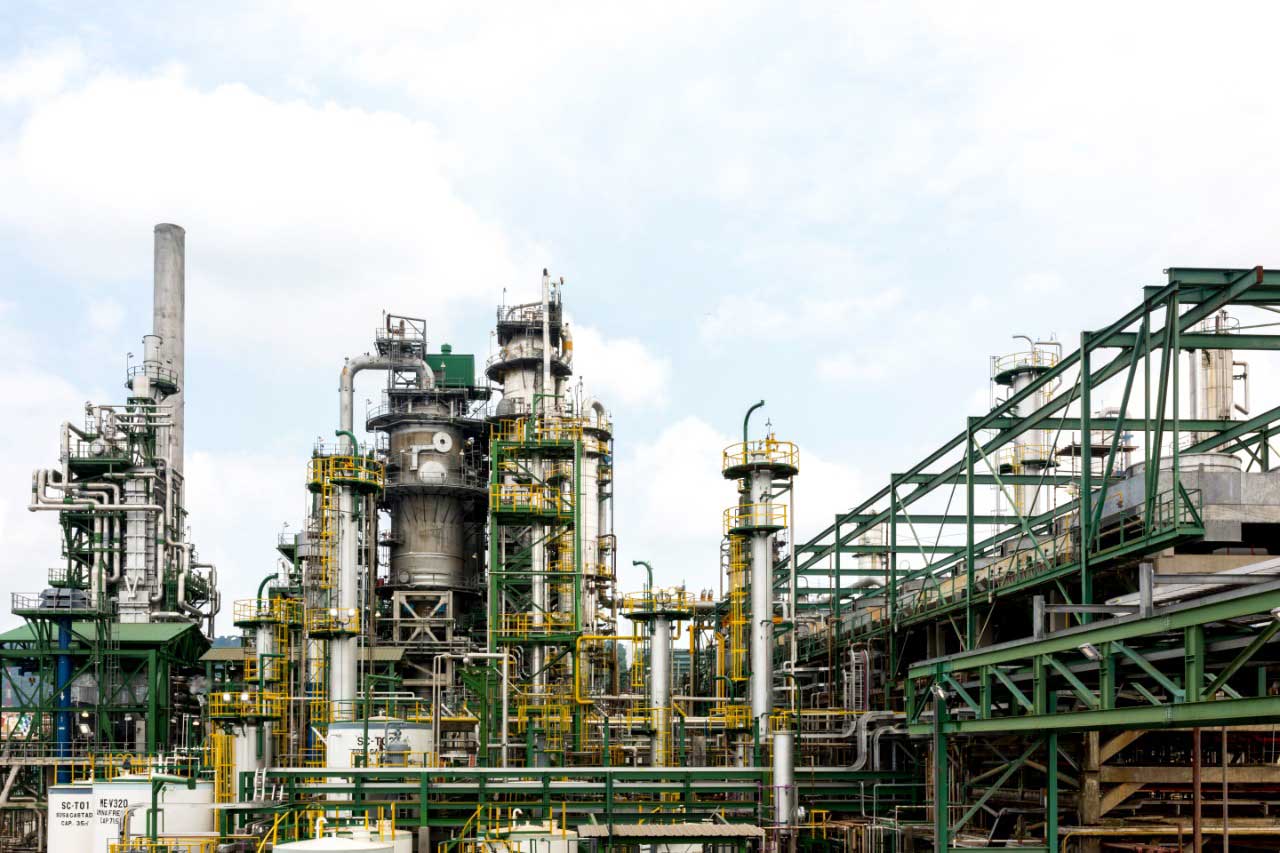
The Energy Ministry announced Sunday that power blackouts would be five to seven hours a day for the week of December 2. It said improved hydrological conditions at the Coca Coda Sinclair hydro plant and at smaller plants in northern and central Ecuador were “offering some relief” for the electricity shortage.
On Monday, however, the ministry acknowledged that a return of dry weather is putting increased stress on energy supplies. Predictions of weekend rain failed to materialize, although the national weather institute is predicting “improved” rain chances through Wednesday.
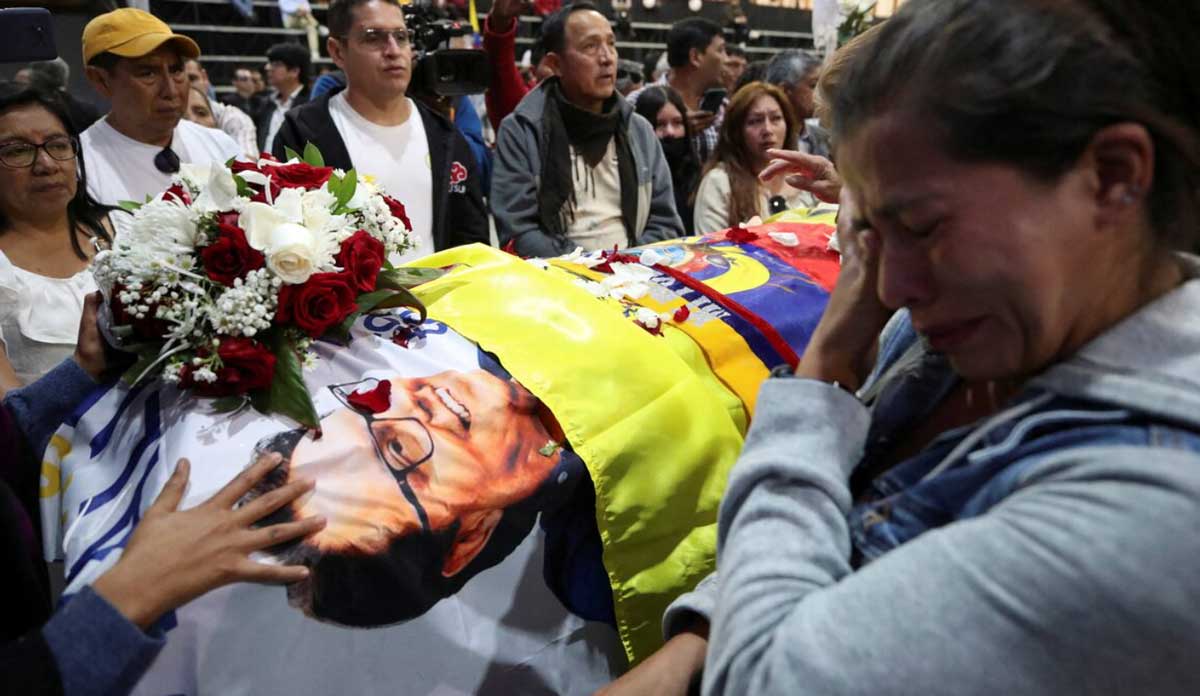
A large percentage of Ecuadorians blame President Daniel Noboa for the electric blackouts while a large majority say his communication about the crisis has been poor.
The ministry said that last week’s rain allowed Coca Coda Sinclair to operate at capacities up to 1,050 megawatts, which allowed the generation plants at the Paute-Mazar complex to remain idle since Friday. It reported a one-meter rise in the water level at the Mazar reservoir.
32% blame Noboa for blackouts
In a poll conducted in Quito and Guayaquil, 32% of 1,600 respondents blame Daniel Noboa’s administration for the blackouts that affect the country. The poll also showed that the energy crisis has replaced crime as the top concern among Ecuadorians.
Among other culprits for the crisis, respondents to the Ipsos-Ecuador poll blamed climate change (23.8%) and previous governments (19.9%), with 16.1% claiming it is the result of a global energy factors.
A large majority of those surveyed blamed the president for poor communication during the crisis, with more than 83% saying information supplied to the public was either “incomplete” or “deceptive.” Only 16.8% found the government’s explanations accurate.
About Ecuador’s short-term outlook, 52% said they were pessimistic, citing the energy crisis and crime as the main reasons.
Ipsos analyst Cristian Padilla said the poll results are “bad news at a bad time” for Noboa. “The president’s strongest support came as a result of his actions against crime and criminal organizations,” Padilla said. “With the election only two months away, his management of the electricity crisis puts his reelection in serious doubt.”
Ecuador must prepare for climate change
The drought Ecuador is experiencing is not a “freak event” but is part of a broader pattern of changing weather, according to scientist and inventor Inty Grønneberg. “To counteract the effects of climate change, urgent work must be done to avoid devastating consequences,” he said Saturday in an interview on NotiMundo al Día.
In addition to making infrastructure changes to ensure adequate supplies of electricity and drinking water, the country must reduce the emission of greenhouse gases to protect the environment, Grønneberg said. “We have entered the anthroposene, a period in the world’s history characterized the impact of humans on the planet’s environment.”
He cited rising temperatures and decreased rainfall in the Andes as examples of changing weather. “Consider Cuenca, which has set new all-time high temperature records three times since the beginning of year and has recorded new daily records for 52 days,” he said. “In Quito, we have set new high temperature records for 27 days.”
Grønneberg, president of the Fundación Circular, claimed that the government is not considering the “big picture” in efforts to end the electricity and water shortages. “We are told that we are suffering 140-day drought but it is in fact a drought of more than two years,” he said, adding that weather phenomenon should not be considered in isolation.
He added: “All of this is telling us something that we ignore at our own peril.”
Is Chinese company interested in buying Coca Coda Sinclair?
Former Minister of Energy Carlos Pérez says a solution to the technical problems at the Coca Codo Sinclair hydroelectric plant is to sell it to the company that built it. “The project contractor, Sinohydro, has indicated an interest in purchasing the plant and operating it as a private contractor,” he said.
According to Pérez, Sinohydro’s reputation has been damaged by claims that it made engineering mistakes in Coca Coda’s design and that it used inferior materials during the construction. “They claim they are unfairly criticized for project failures and say that operational mistakes are to blame for low levels of power generation,” he says.
Pérez says he is in contact with the government about the possibility of a sale.