












Businesses could return to full power November 1, but it depends on the weather
Power disconnections for the country’s largest consumers could end next week but the weather has to cooperate. Government General Secretary José Julio Neira made the announcement late Thursday, saying the improvement in the country’s hydroelectric production and imports of power generators has “greatly improved” the energy outlook.

The government says repairs to several gas- and diesel-powered generation plans will be completed soon.
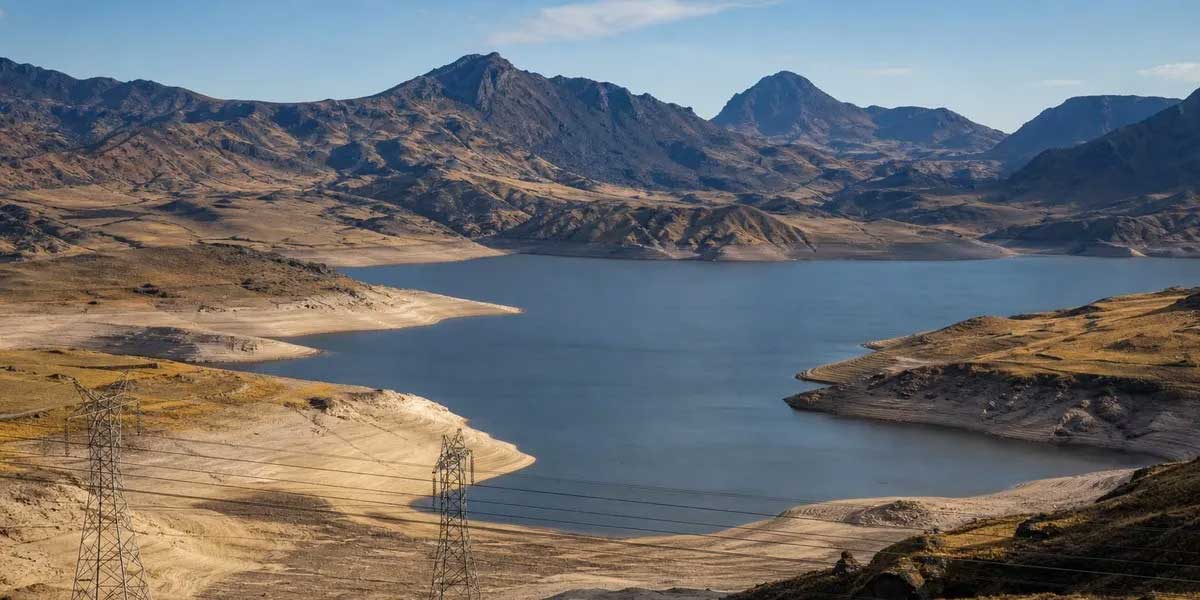
In particular, he pointed to the increased generation of the Coca Codo Sinclair hydroelectric plant following heavy rains in the Rio Coca basin. “Conditions are also improving at the Mazar complex, and the reservoir has risen two meters,” he said. “Rainfall in the areas near our primary generation stations has improved immediate conditions.”
The country’s largest companies, mostly manufacturers, agribusinesses, and mines, have been disconnected from the power grid for up to 72 hours a week since early October as a result of energy shortages.
Neira cautions that removing blackouts for industries and large companies will depend on the weather. “Our plan is contingent on the power supply, of course, and our promise to protect households from electric disruptions,” he said. “Based on current conditions and weather forecasts we feel confident we can lift the restrictions and allow our industrial sector to return to full production.”
Business leaders welcomed the announcement but said they were waiting for more information. “This is good news, of course, but we are waiting for specific details, and we are concerned that this is based mostly on weather reports,” said Hernan Sanchez, vice president of the Ecuadorian Business Committee. “We want to know about the new thermal generation that is coming online and when it will arrive. We are also interested in arrangements being made with Colombia.”
Last week, Colombia resumed electricity transfers to Ecuador but through Friday those transfers have been minimal, covering less than one half of one percent of the country’s power demand. “We hear that there are talks with Colombia to increase the transfers but information is not being shared with the public,” says Alejandro Jaya, leader of regulatory management at Energy Control.
The power lines connecting Colombia and Ecuador can transfer as much as 450 megawatts, about 8% of Ecuador’s usage, but they have rarely transferred more than 200 MW.
“One of the issues is whether Colombia has excess electricity to transfer,” Jaya says. “They experience some of the same weather conditions we do and they are worried about El Niño and how it will affect their energy supply in December and January.”