














Charlie Larga’s Field Guide to Life in Cuenca: The long and the short of it
Ecuadorians have long enjoyed a curious reputation on the internet. Not for their cuisine, not for their volcanoes, not even for their footballers. No, the claim that keeps resurfacing is that Ecuadorian men are the most generously endowed in the world. Charts circulate online, statistics are quoted, and somewhere out there is always a gringo who claims to have “read the study.”
Scratch the surface, however, and the proud national ranking looks less like biology and more like bravado. Most of those so-called studies are self-reported. Men asked to measure themselves at home, with a ruler, no less. The results, predictably, are about as trustworthy as a fisherman’s tale of the one that got away.
When doctors take the measurements, using standard protocols, the figures shrink back down into the narrow global average. Ecuador, Peru, Colombia, Bolivia—no great differences. The Andean peaks remain taller than any anatomical tales.
 What is true is that Ecuadorian culture carries a strong streak of machismo.
That machismo shows up in how men carry themselves in the street, how they talk about women, and, it seems, how they answer anonymous surveys.
Women here sometimes describe their partners as insecure beneath the surface, masking anxiety with posturing and excessive jealousy and controlling behavior. It may even be that the famous “largest in the world” claim feeds into that cycle: a national boast that becomes a private pressure to conform to expectations.
In Cuenca, I’ve heard mountain folk—montaños—tease the coastal costeños for strutting around with more swagger than substance, while costeños fire back that serranos are a standard deviation too cold and reserved to be much fun. These playful rivalries, passed between regions as easily as jokes about the weather, tell you more about local identity than any measuring tape ever could.
So are Ecuadorian men the world’s most blessed, or the world’s biggest liars?
The evidence suggests neither. They’re simply men, no different from anywhere else, their averages well within the same modest range as everyone else’s. What makes Ecuador stand out is not physiology but willingness to play along with a myth.
And perhaps that tells you more about the country than any ruler ever could. In Ecuador, stories grow taller than the mountains, and statistics are just another kind of folklore.



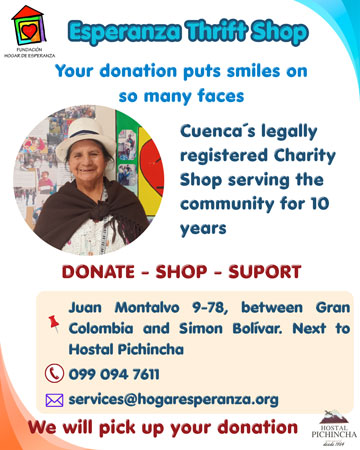
Hogar Esperanza News
The Cuenca Dispatch

Week of September 20
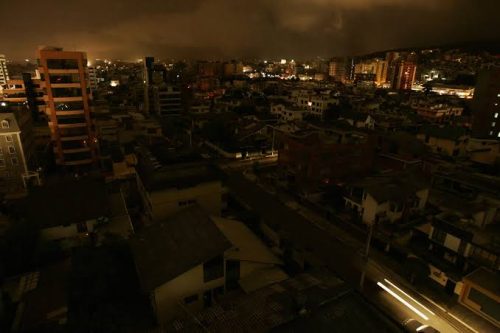
Ecuador turns to industrial power cuts to protect Mazar and keep homes from going dark.
Ecuador raises its 2026 growth forecast, but El Niño could spoil the outlook next year.

Cuenca retirees challenge medical and therapy changes at IESS senior center.
Fabianos Pizzeria News

Fund Grace News