











Colombia retaliates, raising tariffs on Ecuador goods to 100% as truckers warn of smuggling
Colombia said on Friday that it will raise tariffs on imports from Ecuador to 100% in response to Quito’s decision to increase its own customs duties from 50% to 100% starting from May 1. Colombia’s Trade, Industry and Tourism Minister Diana Marcela Morales said Bogota would match Ecuador’s new tariff levels, raising the current 30% duty on Ecuadorian imports to 100%.
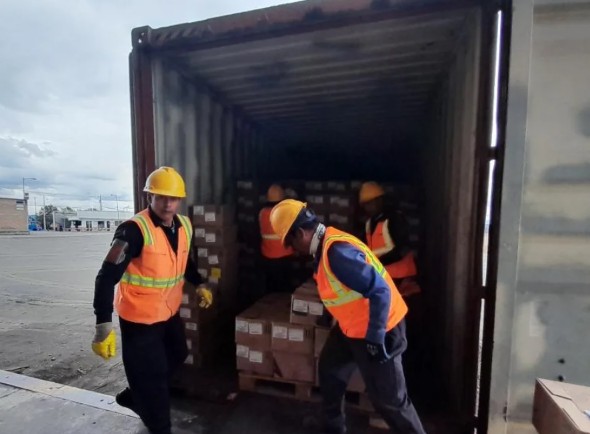
Trucking companies in both Ecuador and Colombia are urging their respecrive governments to resolve the tariff war that began in Februaray.
“Despite all diplomatic efforts, we did not receive a positive response; on the contrary, (Ecuadorian) President Daniel Noboa’s administration announced it would further harden its stance on the trade front,” Morales said.
She added that Ecuador’s tariff measures violate the 1969 Cartagena Agreement, a key framework for regional integration, and said legal steps have been initiated. Ecuador announced Thursday that it will increase customs duties on imports from neighboring Colombia to 100% from 50%, starting from May 1.
The move comes as Ecuador’s Ministry of Production criticized Colombia for not taking sufficient measures to combat drug trafficking and ensure border security.
Diplomatic tensions escalated further this week following comments by Colombian President Gustavo Petro referring to former Ecuadorian vice president Jorge Glas as a “political prisoner.” Both countries recalled their ambassadors over the incident.
Meanwhile, associations representing exports and transport interests are criticizing both governments for failing to resolve the conflict peacefully, claiming the governments are putting politics ahead the interests of people who are harmed by the high tariffs.
The Andean Association of International Road Carriers posted a statement claiming the actions of the Ecuadorian government are having the “opposite effect” of their intention. A spokesman for the association said that at least 70 uncontrolled border crossings were experiencing “massive increases” of goods moving irregularly between the two countries. “Ecuador is complaining that Colombia is not patrolling border crossings but large amounts of goods, including illegal drugs, are flowing into Ecuador without interference,” he said. “If Ecuador wants to control the border where are the Ecuadorian army and police?”
According to several trade and transport unions, at least 15,000 jobs have been lost in Ecuador as a result of the tariffs with another 20,000 lost in Colombia.
Late Friday, the Colombia Trade, Industry and Tourism Ministry released a statement that “health and life-saving products, including medicines” are exempt from tariffs. Ecuador had issued a similar statement earlier.