













Concerns grow about Colombian plan to attack coca crops with herbicides; Noboa’s wife Lavinia Valbonesi loses a child; Gov’t should explain boat bombings
Some Colombian and Ecuadorian officials are expressing concerns about Colombia President Abelardo de la Espriella’s plan to spray coca crops with herbicides. “He has not said what herbicide he will use but we know from experience the devastation aerial spraying can have on the crops of law-abiding farmers,” Colombian Senator Jennifer Pedraza said.
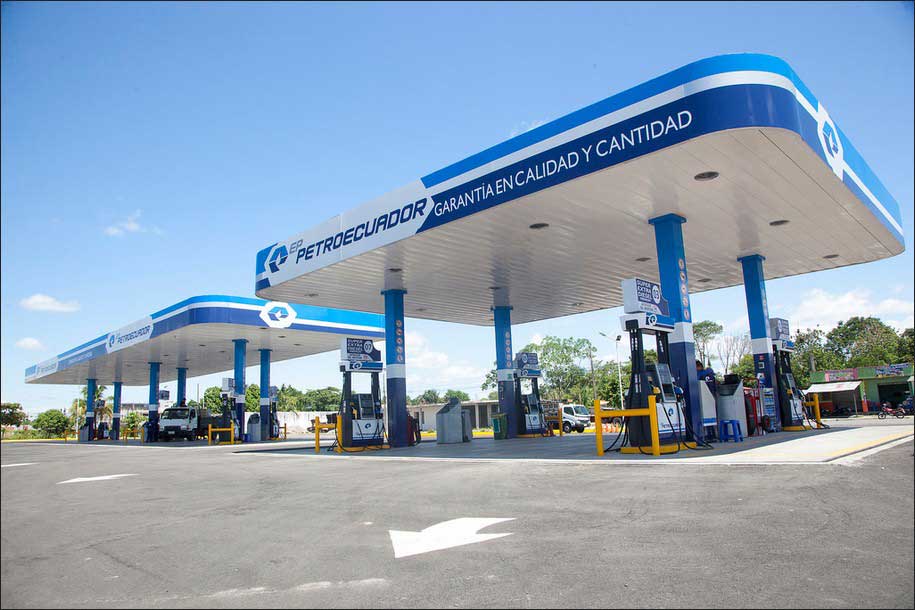
As a result of higher prices for imported fuel, the government paid almost a $1 billion in subsidies for gasoline and diesel fuel in the first six months of 2026.
Although de la Espriella said the spraying program will use “state-of-the-art herbicides,” he provided no other details. “If the plan is to use glyphosate from the air, we know the damage and hardship it inflicted on peasant farmers in areas near the coca plantations in the 1990 and 2000s,” Pedraza said. “That is why the Constitutional Court banned its use in 2017. It would be illegal if he uses it again.”
According to Pedraz, glyphosate kills all plants it touches, including food crops, unless they are genetically modified to resist the herbicide.
Retired Ecuadorian general and government advisor Wagner Bravo said any aerial spray program Colombia begins must be coordinated with Ecuador. “Many of the coca plantations are near the Ecuadorian border and we must have assurance that spraying does not have a negative effect on Ecuadorian food crops. We experienced crop damage in the past from toxic sprays that drifted across the border,” he said.
Noboa’s wife Lavinia Valbonesi loses a child
President Daniel Noboa’s wife Lavinia Valbonesi underwent emergency surgery Saturday night ending a pregnancy that “developed serious complications,” according to the Government Ministry. The family said the surgery ended the life of a boy, Stefano Noboa Valbonesi.
“It is with deep regret that we inform the country that the presidential family is going through the painful loss of their third son, Stefano,” Government Minister Nathaly Morillo wrote on her X account. “Sadly, Stefano passed away during the emergency procedure at the hospital. I join all Ecuadorians in expressing solidarity with the First Family in this moment of deep pain.” Morillo added that the flag at Carondelet Palace will remain at half-mast for two weeks.
Valbonesi’s pregnancy was in its fourth of fifth month, Morillo said.
Noboa arrived in China early Sunday, beginning a 13-day visit to China, Vietnam and Singapore.
Assembly members want explanation of fishing boat bombings
Members of the National Assembly are asking the government for an explanation of the bombing of Ecuadorian fishing boats by the U.S. Members of the Correista delegation issued a joint statement condemning the bombings and the loss of eight fisherman. “What we learned last week from the international media brings into question Ecuador’s military agreements with the U.S. We demand a full explanation and a thorough investigation,” the statement said.
Members of President Daniel Noboa’s ADN party are also asking for an explanation of the bombings. “Because of our alliance with the U.S., our government must have information about the bombings and why they apparently targeted innocent fishing vessels,” ADN Assembly member Nathaly Farinango said Friday. “Before recent reports emerged, we only heard rumors. Now we have the facts and need to hear from the government.”
Gasoline and diesel import deficit grows
In the first six months of 2026, Ecuador spent $954 million more importing gasoline and diesel fuel than it made selling them in the domestic market. In the same period of 2025, the deficit amounted to $571 million, according to Ecuador’s Central Bank.
The Central Bank said the increased deficit is the result of the war in Iran and the rapid rise in international oil prices. “Because of legal limitations on how quickly increased gasoline and diesel prices can be passed on to consumers, the government is subsidizing the difference in the import and retail cost,” it said.
Through June, the per gallon subsidy for diesel was 86 cents while it was 42 cents for Ecopaís and extra gasoline, the fuels used by most private vehicles.
Despite being an oil-producing country, the Central Bank said limited refining capacity requires the importation of diesel and gasoline.



Hogar Esperanza News

Fabianos Pizzeria News

The Cuenca Dispatch

Week of August 16

Azuay stays under state of exception as authorities track criminal groups expanding around Cuenca.

Older adults and people with disabilities can now request vehicle tax break online.
That unresolved bank complaint has another place to go and the service is free.
Property Kuralt

Fund Grace News

Property Amazon

Property Manabi
