

















Country’s electricity demand breaks record in July, which is bad news as El Niño approaches
Electricity usage in Ecuador set a new record July 15, with the consumption of 5,634 megawatts, breaking the record set in June during the coastal heat wave. The usage was far above the maximum usage prediction of the National Electricity Operator (Cenace) of 5,206 mg for 2026.
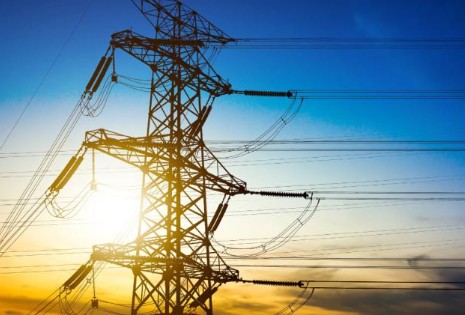
Energy experts warn that electricity purchases from Colombia may not be possible during the approaching El Nino.
The average consumption of electricity through the first six months of 2026 also shows a sharp increase for the same period of 2025, 4,230mg compared to 3,465mg, again, above official predictions.
A spokesman for Cenace said his agency was surprised by the high demand and admitted it will be a “serious challenge to locate additional power sources” as the El Niño system approaches. “We must prepare for the impact of the weather phenomenon, which could mean reduced power generation from our hydroelectric facilities.”
Energy consultant to Cenace Ricardo Buitrón explains that part of the increased demand can be explained by “the recovery of consumption that was repressed during the 2024 power crisis,” when electric blackouts were scheduled for as much as 14 hours a day. “Since then, people have purchased more air conditioners and other electric appliances and these have gone online in the last year and a half.”
 Increased computerization, especially the introduction of artificial intelligence, is adding to electricity demand, Buitrón says. “The use of AI will probably grow exponentially and this must be accounted for in our projections for the future,” he says.
No matter the source of increased demand, Buitrón says Ecuador’s power generation system must be expanded. “We have lost some capacity in recent weeks and this must be replaced very soon,” he said, citing the decision to shut down the country’s largest thermal generation station in Esmeraldas for repairs. “There is also concern of losing generation from the Turkish power barges in Guayaquil, although negotiations are in process to continue this service.”
Although President Daniel Noboa said recently that access to Colombian electricity will soon be restored with the change of government in Bogota, energy experts warn that this will not compensate for Ecuador’s energy deficit.
“The power lines and transfer stations can only import 300mg to 400mg from Colombia and this will not solve our problem,” says Jefferson Suarez, a former engineer at Cenace. “We must also consider that El Niño will affect Colombia as well as Ecuador and they may have no surplus electricity to sell. This happened in 2024 and the expected El Niño drought in the highlands, where the hydro plants are located, could shut down transfers for months.”
During the record electricity usage in June and July, Suarez says the power grid was operating at maximum capacity. “There were no megawatts in reserve,” he said, adding, “The country must install a minimum of 1,500 additional megawatts before the arrival of El Niño at the end of the year.”



Hogar Esperanza News

The Cuenca Dispatch

Week of September 20
Ecuador turns to industrial power cuts to protect Mazar and keep homes from going dark.

Ecuador raises its 2026 growth forecast, but El Niño could spoil the outlook next year.

Cuenca retirees challenge medical and therapy changes at IESS senior center.
Fund Grace News

Fabianos Pizzeria News
