










¿Dónde están los puestos de chancho? The answer is Feria Libre, one of Ecuador’s largest mercados
Author’s note: This is the third of a four-part series about how an expat with no culinary credentials somehow found himself judging one of Cuenca’s most beloved traditional. It’s also a story about the generosity of strangers and the adventures that begin when you simply decide to see what might happen next.
By James Li
My companion not only finished two mugs of chicha and everything in his bowl before I did, but he did it before anyone else had been served. Wiping his mouth with the back of his right hand, he stood up with a loud satisfied grunt, and his empty stool was immediately filled by another man in the crowd, now three deep, standing behind us.
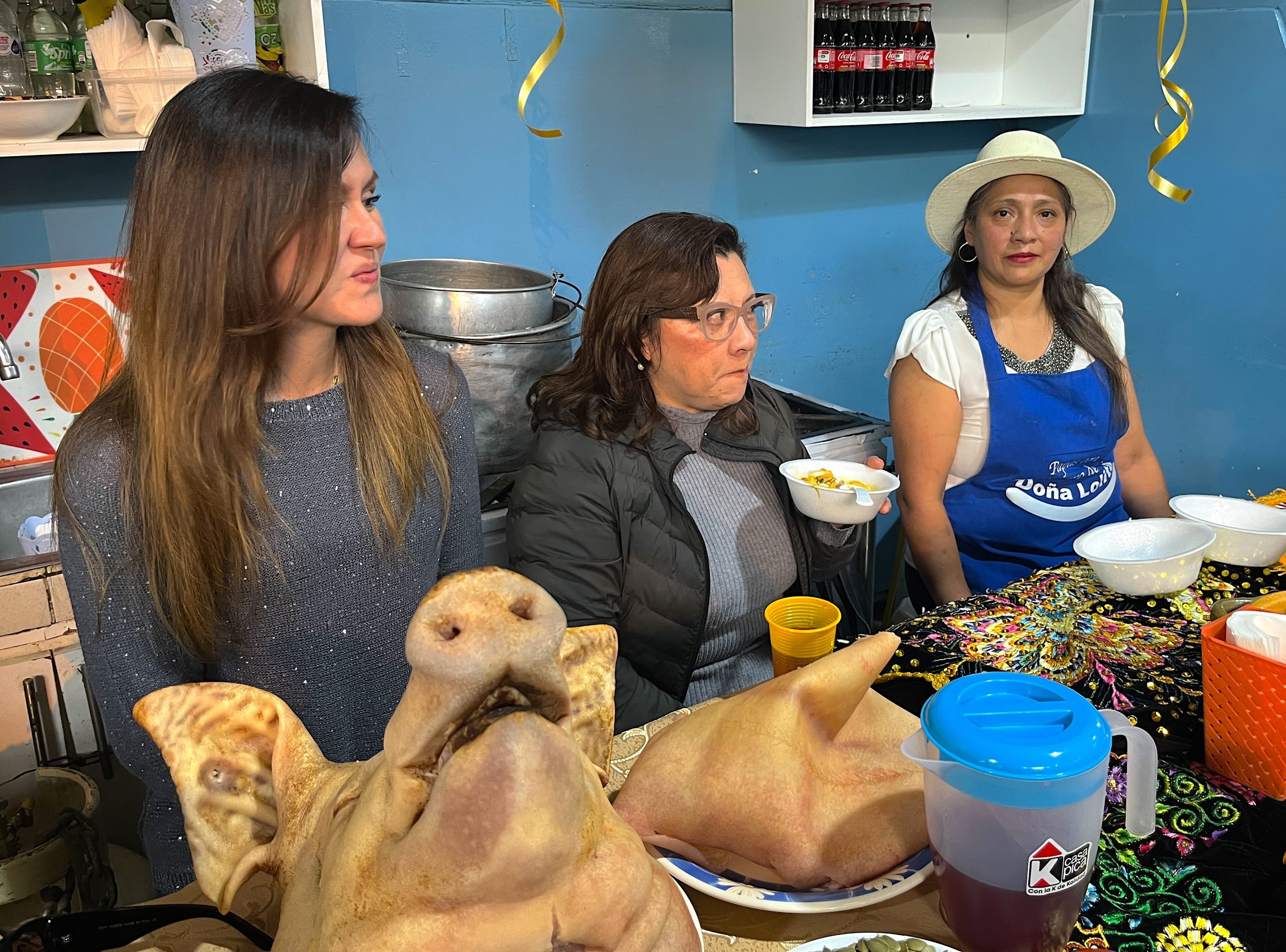 I followed the lead of my baseball-capped new fellow and friend and ate everything in my bowl with gusto, totally immersed in the fragrance of the stewed meat and skin, fat drippings and herbs mixed into the rice and potatoes and mote, accompanied by occasional quaffs of chicha from my ancient ceramic mug. I felt I hadn’t eaten in a very long time. The experience was physical, all-encompassing and so very satisfying. As I licked my final spoonful clean, I glimpsed Zoila standing in front of her vats of food, filling chipped and flowered metal bowls with her signature dish and handing them over the counter to anyone within reach. She glanced at me, noted my empty dish, and squinted me her nod of approval. I was in.
After much more fanfare and lots of noisy eating by everyone, our leader stood up and clapped her hands above the din, collecting our group of judges before herding us back to the van. I got in last, reluctant to leave this wonderful place.
 Once inside, our driver sped off with a vroom, exhibiting superior skills after being rewarded with a full breakfast of papas con cuero. It wasn’t until the day’s end that I learned he was not part of the judging panel. He was just happily in the right place at the right time.
We drove through heavy traffic around the western edge of the city, along streets that smelled of diesel and metal grinding and charcoal and straw. In the distance, I spotted the east-facing blocks-long façade of El Arenal, among the top three largest mercados in all of Ecuador. Also known as Feria Libre (literally, the ‘unfettered festival’), it’s my favorite place for total immersion in all things Ecuadorian. It’s so large that many of our Cuencano friends are afraid to visit because it overwhelms them. We’ve spent many days losing ourselves in its labyrinthian passageways, eating at as many food stands as possible. Many years ago, I negotiated our first home here, while my wife revived herself with a jugo de mora at a counter in the middle of the market chaos. A few years later, I discovered the goat man and became a fan of fresh milk from the teat.
 Entering en masse through the front hallway, I heard my mates exclaim, “¿Dónde están los puestos de chancho?” Out of everyone in the group, I suddenly realized that I, the gringo, had the best working knowledge of the huge layout of the mercado. Pulling the person closest to me, I mustered the confidence to say “¡Sígueme!” and, turning right, headed down an obscure passageway, where I knew just where to find the pork stalls. A few minutes later I proudly led the group into a narrow open hall packed with cuero stalls.
If Narancay had been busy, El Arenal was a literal madhouse. Where a walkway between stalls was wide enough for one person, people were jammed three deep. On both sides, well-used wooden stools and benches were filled with morning diners. Women standing guard over their vats of pork and potatoes yelled some Spanish version of “Eat my food!” over each other at everyone passing by. Stumbling on something big, I looked down and saw a furry tail disappear between bodies.
 Somehow in the din and bustle, our large group made it halfway down the main passageway of cooking stalls, stopping in front of a counter decorated with a red tablecloth holding large ceramics filled with stewed pork skins, mote, peeled eggs and a 3-gallon ribboned clay jug filled with chica. On a narrow ledge above it all sat a huge clay pig looking down at the spread. The pig wore a red ribbon around its neck and was carrying two sacks of potatoes over one leg and shoulder. His other leg was wrapped around a gold coin the size of his head.
Our group leader introduced us to Elvia Guanga, a tiny figure standing behind her counter. Elvia was busily scooping papas con cuero onto metal dishes and handing them over a glass partition to helpers who passed them out to our group. A huge plate of food and a spoon landed in my hands. It was standing room only, so holding the tin plate in one hand, I spooned dripping stewed skin of cerdo into my mouth and felt the same warm glow of happiness that I remembered from Zoila stall at Narancay.
Suddenly, a group of nondescript women standing next to me decided to up the celebratory ante with some noise. I hadn’t noticed them due to being a head taller than any of them while meditating on my gastronomic delights. My analysis of what was going on was greatly delayed because I first had to assimilate the experience of some half dozen whistles blown full blast at my left ear. Think live Van Halen concert times ten. I caught my tin plate in mid-air after dropping everything in astonishment. As I caught my food, several women in the group raised metal pots above their heads and began smashing them together. Finding their rhythm after a few attempts, they synchronized the banging with the blast of their whistles, achieving total success in their aim to create an appropriately-celebratory Ecuadorian-market scene.
Someone standing next to Elvia had been delivering a speech that got lost in the chaos. He disappeared. I happily ate more cuero. Elvia continued filling plates and handing them out. All of the other cuero vendors banged their pots in noisy support. A woman dressed up in red and white to my right pulled a bottle of Zhumir from somewhere in her blouse and handed it to me. Zhumir being the most popular of the local liquors favored by locals at my neighborhood parque, I shook my head to decline her offer. After all, it was only 10:00 am in the morning. As if nothing had happened, she nodded seriously before shoving the bottle into my spoon hand and disappearing into the crowd. I stood there a second, adjusting my perspective on the universe, then learned how to balance a bottle of cane spirit and a spoon in just the right way to finish my plate.
_________________
James Li is an emergency physician and incurably curious wanderer who has lived and worked in Africa and authored dozens of medical research articles in journals such as The Lancet and Chest. He also served as an editor for Annals of Emergency Medicine and is the author of Anesthesia Off the Grid. Together with his wife, he has spent years exploring Cuenca’s markets, traditional foods and neighborhood restaurants. What began as a personal attempt to keep track of favorite meals eventually became ¡Cuenca Eats!, an affectionate and deeply personal look at the culinary life of Cuenca through the eyes of a perpetually fascinated outsider who still finds himself happily surprised by where a good meal can lead. Buy it in Cuenca at Carolina Bookstore, the tourism office at Parque Calderón or on Amazon.



Hogar Esperanza News
The Cuenca Dispatch

Week of September 20
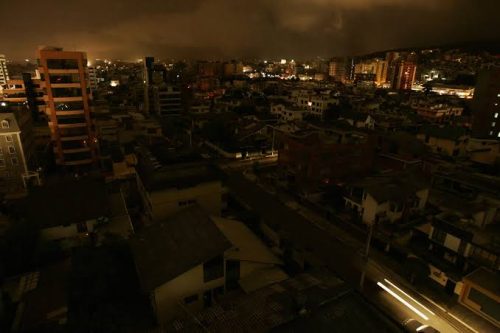
Ecuador turns to industrial power cuts to protect Mazar and keep homes from going dark.
Ecuador raises its 2026 growth forecast, but El Niño could spoil the outlook next year.
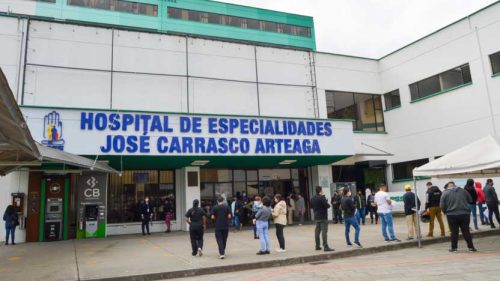
Cuenca retirees challenge medical and therapy changes at IESS senior center.
Fabianos Pizzeria News

Fund Grace News
