















Cuenca’s and Azuay Province’s new National Assembly members pledge to work together despite differences
Based on the results of Sunday’s election, Cuenca’s and Azuay Province’s new National Assembly delegation is evenly split between members of President Daniel Noboa’s National Democratic Action Movement (ADN) party and Citizens Revolution, with three seats apiece. With 98% of the votes counted, ADN received 144,000 votes in Azuay Province while Citizens Revolution received 115,000.

Azuay Province asambliesta Adrian Castro
“We all know each other and we have pledged to work together for the benefit of the province and the city of Cuenca,” ADN’s Adrián Castro said Monday. “We have worked well across party lines in the past and don’t see this changing with the new Assembly.”
These will be Azuay Province’s representatives when the new National Assembly is seated in May.
Camila León (ADN) is provincial president of the Azuay National Democratic Action party. In 2024, she served as coordinator of Zone 6 for the Ministry of Economic and Social Inclusion (MIES).
Antonio Becerra (ADN), formerly of Citizens Revolution, is an attorney from El Pan, an internet blogger and digital content creator.
Adrián Castro (ADN), an incumbent asambliesta is an attorney specializing in constitutional law. He is the former director of the National Transit Agency and manager of the Public Mobility Company of Cuenca (EMOV).
Roque Ordóñez (Citizens Revolution) is a lawyer and former Cuenca municipal council member. He served as Coordinator for the Azuay Electoral Tribunal during the referendum process.
Mabel Méndez (Citizens Revolution) is a Systems Engineer, Commercial Engineer and public accountant for the University of Cuenca. She is an engineering professor at the university.
Gerardo Machado (Citizens Revolution) is a Cuenca native with a specialty of managing cultural projects. He is the founder and first director of the Casa del Sombrero.
According to Castro, the biggest issues facing the new Azuay Assembly delegation include “keeping Cuenca the safest city in Ecuador,” managing mining projects, increasing highway construction and building a new international airport.
Despite the government’s support for mining projects, Castro says the new delegation is united in opposing projects that threaten water quality and supplies. “This is a very contentious issue and cuts across party designations for all of us and we are together in supporting our water sources and our way of life.”



Hogar Esperanza News

Fabianos Pizzeria News

The Cuenca Dispatch

Week of September 20
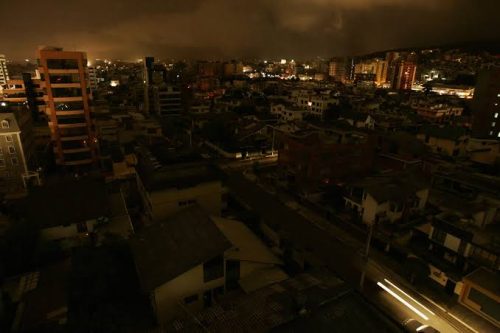
Ecuador turns to industrial power cuts to protect Mazar and keep homes from going dark.

Ecuador raises its 2026 growth forecast, but El Niño could spoil the outlook next year.
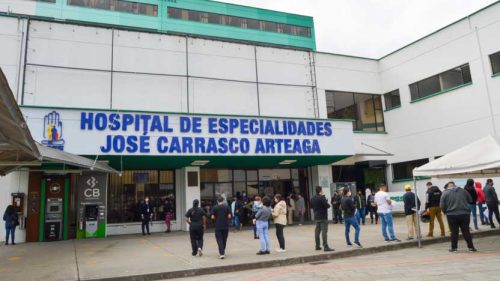
Cuenca retirees challenge medical and therapy changes at IESS senior center.
Fund Grace News