
















Expectations are high for Marco Rubio’s visit to Quito
U.S. Secretary of State Marco Rubio arrived in Quito Wednesday night and is scheduled to meet Thursday with President Daniel Noboa. Although there is no detailed agenda for the meeting, the government says combatting international drug cartels will be the primary topic followed by trade and immigration.
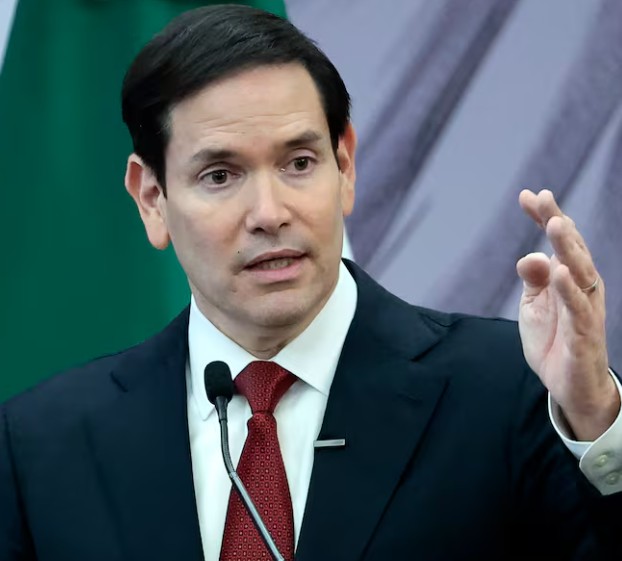
U.S. Secretary of State Marco Rubio
In addition to a private meeting with Noboa, Rubio will meet with government ministers and the mayors of Cuenca, Quito and Guayaquil.
Rubio comes to Ecuador following two days of meetings with Mexican officials, including President Claudia Sheinbaum, which he described as “friendly and very constructive.”
Ecuador Foreign Affairs Minister Maria Sommerfeld said Monday she has “high expectations” for Rubio’s visit. “We have been in contact with the U.S. State Department on several important issues and I believe we will have major announcements to make following the secretary’s visit,” she said, adding that Noboa and Rubio have talked by phone on several times in recent weeks.
“Obviously, the biggest issue is fighting transnational crime, and we need the United States as a partner in this mission,” Sommerfeld said. “They have the technology and the resources to assist us in this fight and have expressed a willingness to share it.”
Sommerfeld said Noboa and Rubio will discuss the establishment of a U.S. military installation in Ecuador to monitor and combat the flow of illegal drugs from Colombia to the ports in Guayaquil, Machala and Manta. “Other options to be considered are increased monitoring by aircraft and coast guard naval vessels,” she said.
In addition to drug trafficking, Sommerfeld said trade will be a key topic of the meetings. Specifically, Noboa and the trade ministry will push for reduction or elimination of the 15% tariff recently imposed on Ecuador exports to the U.S.
Ahead of Rubio’s visit, Ecuador announced that it is willing to accept 300 U.S. deportees a year, a move of cooperation with the U.S. plan to control irregular migration. In the agreement, Ecuador will accept citizens of other Latin American countries who have not been charged with crimes. Those with asylum claims will be allowed to remain in the country while the U.S. considers their cases.
According to former armed forces commander and Quito mayor Paco Moncayo, the pressure is on Noboa to come away from Thursday’s meeting with “concrete” agreements with the U.S. “We don’t need any more cooperation agreements,” he says, “we have plenty of those already. We need a commitment of resources and materiel to fight the drug trade since what we have done so far is not working.”
“The U.S. must accept the fact that it is part of problem,” Moncayo says. “They are the market, they are a drug consuming nation, and 40% of the illegal drugs shipped out of our ports are headed to the U.S. They should accept their responsibility and provide the assistance to deal with it.”