















Flower exporters say the strike is costing them millions; Azuay mayors demand reinstatement of diesel fuel subsidy; U.S. donates radar equipment
Ecuador’s cut-flower exporters claim the Conaie strike is costing them between one and two million dollars a day. In addition, they are demanding government protection from protesters who have invaded their farms, caused damage to facilities and threatened employees.
According to the National Association of Flower Producers and Exporters (Expoflores), roadblocks in Imbabura and Pichincha Provinces are preventing flower shipments from reaching air freight terminals at the Quito airport. “We are at a standstill until the strike is resolved and we call on the government and indigenous organizations to begin a dialog as soon as possible to find a resolution.”
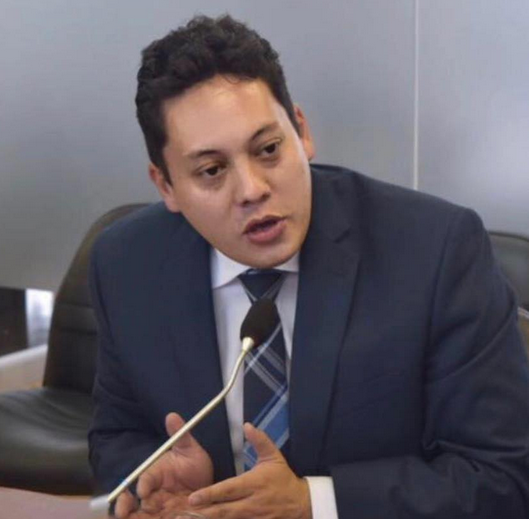
Cuenca Mayor Cristian Zamora
The majority of Ecuador’s flower growers and exporters are located in Imbabura and Pichincha Provinces, a region experiencing multiple roadblocks by protesters.
Expoflores is also condemning the “lawlessness” of protesters invading flower farms. “As in previous strikes, they are causing damage to our green houses and threatening our employees who refuse to join the strike.”
Azuay mayors demand reinstatement of subsidy
Thirteen of the fifteen mayors of Azuay Province have issued a statement demanding the government reverse its decision to eliminate the diesel subsidy. “We believe restoration of the fuel subsidy is an important step in fiscal equity and the preservation of natural heritage,” the statement said.
Cuenca’s Cristian Zamora and Nabón’s Patricio Maldonado refused to sign the statement.
The 13 mayors also expressed their support for the national strike, calling the issues presented by the Confederation of Indigenous Nationalities “legitimate and valid.” The mayors said they “embraced” peaceful protests and the “complaints of the people” to the national government. “We demand respect for the free mobility of the people and remind the government of its obligation to safeguard human safety and the uninterrupted delivery of essential public services.”
In an interview, Zamora said he supports targeted compensation for those “economically stressed” by the increase in diesel costs but said it was “irresponsible” to provide subsidies for those who can afford to pay market prices. He also said that diesel consumption “has been linked to destructive practices such as illegal mining, which affects ecosystems, pollutes water resources, and threatens the sustainability of communities.”
U.S. donates radar equipment
The United States has donated a radar system to the Ecuador to assist in drug interdiction operations. The system is capable of operating in multiple locations and has the capacity to monitor airspace throughout the country, Ecuador’s military command said.
The delivery of the system followed a visit by Admiral Alvin Holsey, Commander of U.S. Southern Command last week. The radar was one of the topics discussed between President Daniel Noboa and U.S. Secretary of State Marco Rubio during Rubio’s early September visit to Quito.
As part of the donation, the U.S. will provide technical support to set up radar monitoring stations and establish plans to protect the system from terrorist attacks.



Hogar Esperanza News

Fabianos Pizzeria News

The Cuenca Dispatch

Week of September 20
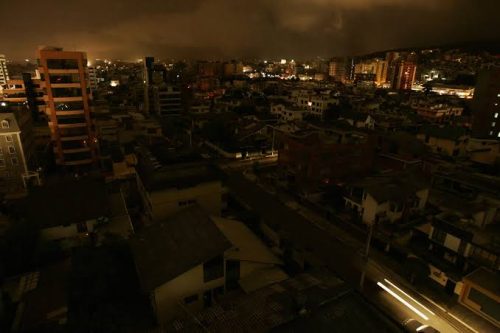
Ecuador turns to industrial power cuts to protect Mazar and keep homes from going dark.

Ecuador raises its 2026 growth forecast, but El Niño could spoil the outlook next year.
Cuenca retirees challenge medical and therapy changes at IESS senior center.
Fund Grace News
